


 Share
Share

Indian summers bring change not only in the weather but also in eating habits. There are no heavy gravies on your lunch tables, refrigerators are filled with chilled drinks, and ingredients like curd, mangoes, cucumber, and watermelon suddenly become a part of everyday meals. But one thing that does not change during summer for Indians is the use of spices.
There is a belief that spices make the body feel hotter. But Indian spices challenge that. Some spices are lighter, help in digestion, and help keep your body cool during warm months. These spices are not very fiery or intense. Instead, they are a subtle addition that balances flavour while making food feel more suitable for the climate. Long before there were conversations around “summer wellness”, Indian kitchens already had recipes as per the season, using these ingredients.
Indian cooking is unique because the spices used are not only for taste. They are a part of the larger culinary tradition that is tied to weather, digestion and balance. These spices make you feel lighter on the stomach, help in keeping you hydrated, and provide a cooling after-effect. This is the reason why chaas is topped with roasted cumin, summer sherbets are infused with fennel, and mint becomes unavoidable during hot afternoons. Cooling spices are a big part of drinks, snacks, curries, chutneys, and even desserts. Even today, despite changing lifestyles and packaged food culture, these ingredients continue to dominate Indian kitchens every summer.
(Image Credit: Freepik)
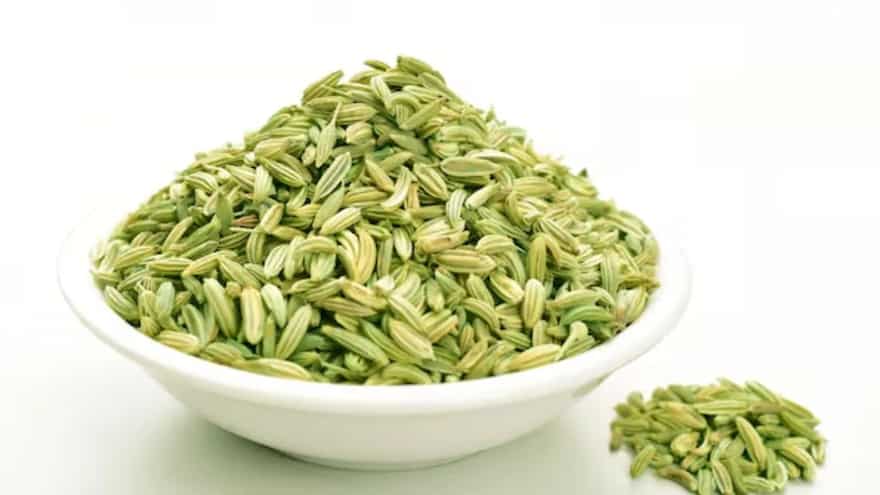
Fennel Seeds
Fennel seeds are one of the most recognisable cooling spices used during Indian summers. The seeds are soaked overnight and added to sherbets or consumed after meals. Fennel has a mildly sweet flavour that makes you feel refreshed. It is also commonly added to summer drinks and desserts because of the cooling sensation it leaves in the mouth. In many households, fennel water becomes a daily summer ritual during peak heat.
Cumin Seeds
Cumin is another ingredient that dominates summer cooking. Roasted cumin powder is frequently sprinkled over chaas, fruit chaat, curd rice, and lemon drinks. Cumin supports digestion while adding depth without heaviness. During summer, cumin often replaces richer spice blends, which makes the meals lighter and easier to consume during extremely hot afternoons.
(Image Credit: Freepik)
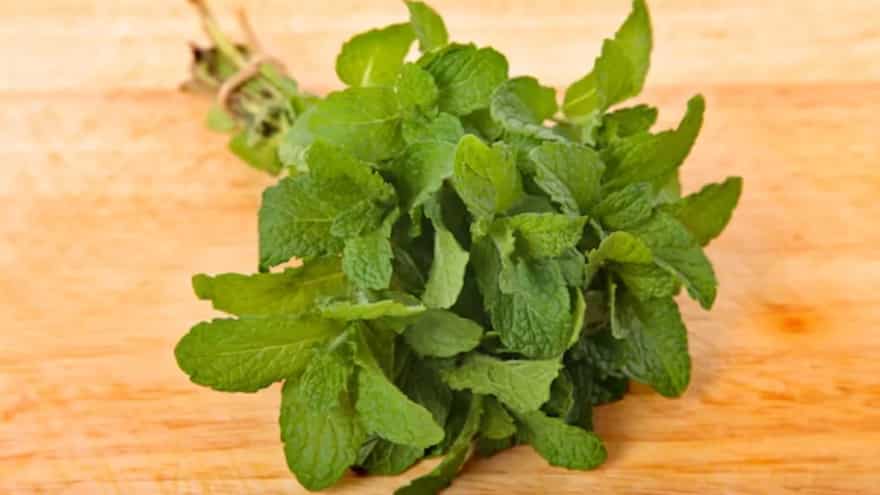
Mint
Few ingredients feel as closely linked to Indian summers as mint. Mint is used in chutneys, chaas, lemonades, biryanis, and even street-side drinks. The sharp and refreshing flavour of mint creates an instant cooling sensation, making it one of the most widely used herbs during the season. Mint also works well in both savoury and sweet dishes, which is why it becomes a staple in many kitchens once temperatures rise.
Coriander Seeds
While fresh coriander leaves are common throughout the year, coriander seeds play an important role during summer. They are often soaked in water or added to spice blends. Coriander seeds are considered lighter and less aggressive compared to stronger spices. Their citrusy, earthy flavour works especially well in vegetable dishes and summer curries where you need subtle spices rather than heavy and rich ones.
(Image Credit: Freepik)
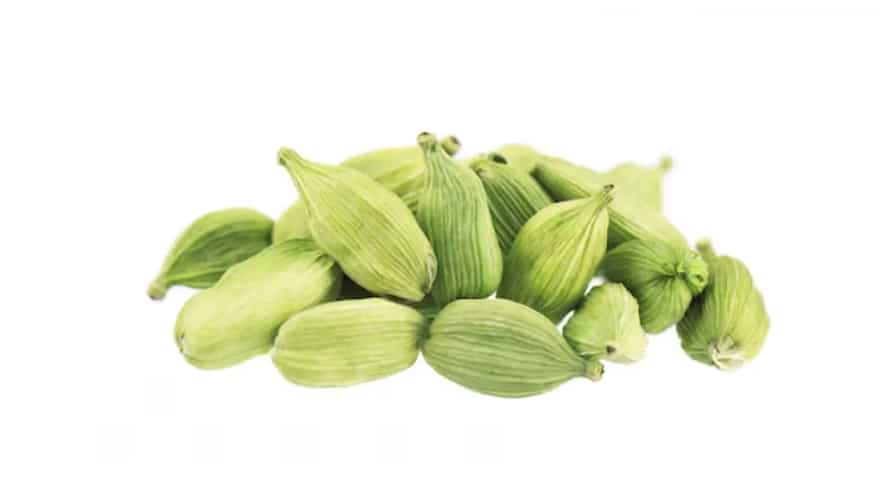
Cardamom
Cardamom is usually associated with desserts and chai, but it is also widely used in cooling summer drinks like falooda, lassi, and milk-based beverages. Its aroma and sweetness help add flavour without requiring heavy ingredients. Even simple cold milk flavoured with cardamom becomes a common household summer drink in many parts of India.
Vetiver
Known locally as khus, vetiver has long been associated with Indian summers. It is used in syrups, sherbets, and infused water. Vetiver carries a deep, earthy aroma that feels cooling. Before air conditioners became common, khus mats were often hung near windows and sprayed with water to cool homes naturally. Even today, khus sherbet remains a seasonal favourite during intense heat




