


 Share
Share

Festive weeks often bring people together over good food and better drinks, and a good party trick is to pour a drink that starts a conversation on its own. Prohibition-era cocktails do this effortlessly as these drinks carry lively stories of clandestine bars, flapper culture, quick-thinking bartenders, and recipes that travelled across cities and oceans during Prohibition. The theatrics of that era still draw people in, and many of the cocktails created then remain popular because they are fun to make and even more fun to serve.
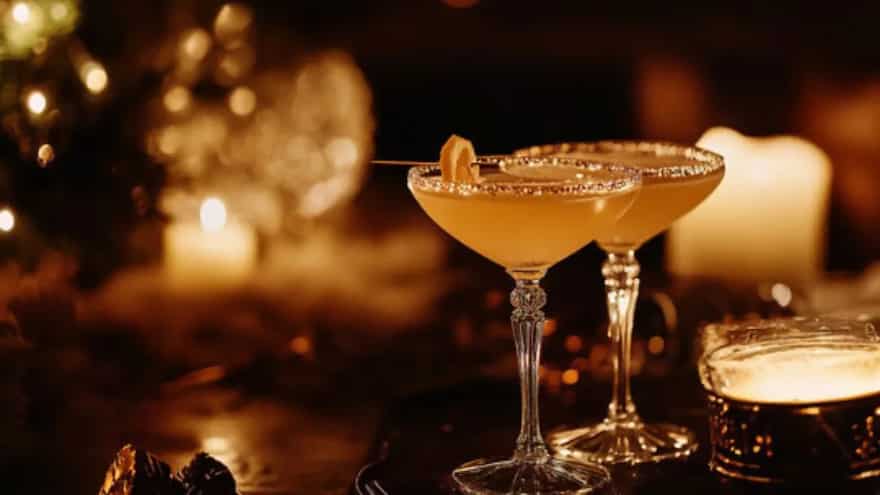
Image credit: Adobe Stock
Prohibition pushed bartenders to invent new combinations with whatever they could find, and that resourcefulness led to drinks with bold character. These cocktail recipes were developed in European hotel bars, in Cuban resorts, and quite a few in small American speakeasies where improvisation and inventiveness were part of the job. A century later, these cocktails feel still modern, festive, and perfect for anyone who enjoys mixing drinks with a bit of backstory attached.
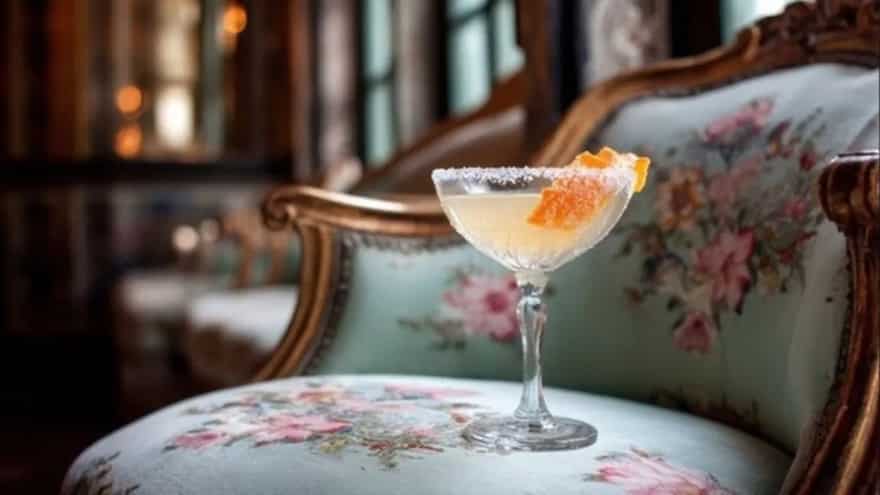
Image credit: Adobe Stock
1. The Bee’s Knees
The Bee’s Knees is one of the most cheerful cocktails to come out of Prohibition, named using the slang of the time, which meant “the very best.” It was born from necessity; bathtub gin was often harsh, so honey and citrus became natural partners to soften the edges. The combination turned out to be so delightful that the drink outlived the era completely.
Ingredients
- 60 ml gin
- 25 ml fresh lemon juice
- 20 ml honey syrup (mix equal parts honey and warm water until smooth)
Add the gin, lemon juice, and honey syrup to a cocktail shaker filled with ice. Shake for about 12–15 seconds until well chilled. Strain into a coupe glass.
Honey was widely used to disguise the roughness of illegally distilled spirits, and citrus kept drinks bright without requiring elaborate bar equipment. Today, when better gin is readily available, the drink tastes smoother and more elegant, but it still carries the playful charm of its origins. Serve it in a chilled coupe for the full Gatsby effect.
2. The Mary Pickford
Named after silent-film superstar Mary Pickford, this cocktail emerged in Havana, where many American bartenders relocated during Prohibition. Cuba became a natural escape for travellers craving legal drinks, and the cocktail culture there flourished as a result. The Mary Pickford has the glamour of old Hollywood, with a hint of tropical sweetness.
Ingredients
- 60 ml white rum
- 45 ml pineapple juice
- 10 ml grenadine
- 1–2 drops maraschino liqueur
Combine all ingredients in a shaker with ice. Shake until the mixture turns slightly frothy from the pineapple juice. Strain into a chilled coupe glass. Add a cherry if you like.
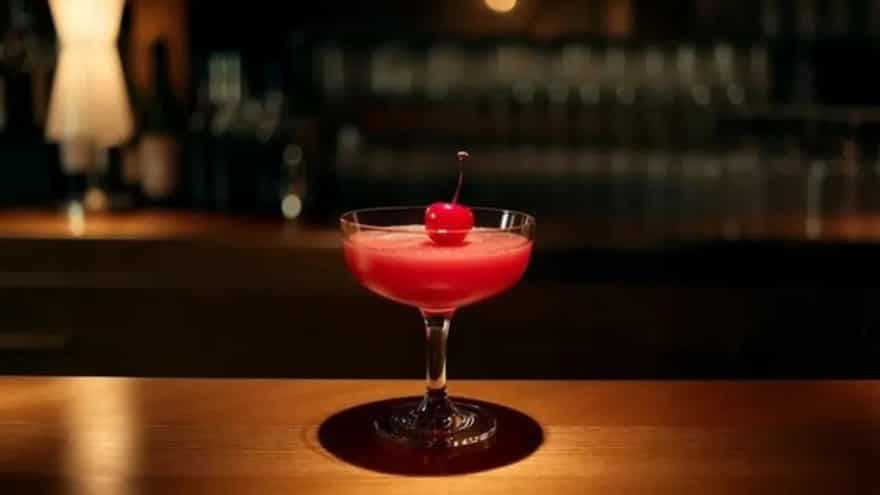
Image credit: Adobe Stock
Rum-based cocktails surged during Prohibition because rum was far easier to source than whiskey or gin. This drink blended accessible ingredients with film-star sophistication, making it a favourite among Americans visiting Havana. Its rosy colour and soft sweetness make it ideal for festive gatherings, especially when served in tall stemware with a single cherry.
3. The Sidecar
The exact origin of the Sidecar is debated, with competing claims from Paris and London, but what is certain is that it became one of the most polished cocktails of the era. While some drinks of the 1920s were designed to cover up poor-quality liquor, the Sidecar celebrated balance and restraint.
Ingredients
- 50 ml cognac
- 25 ml Cointreau or triple sec
- 20 ml fresh lemon juice
- Optional: sugar for the rim
If you want a sugared rim, lightly coat the rim of your coupe glass with lemon juice and dip it into fine sugar. Shake the cognac, lemon juice, and orange liqueur with ice. Strain into the prepared glass.
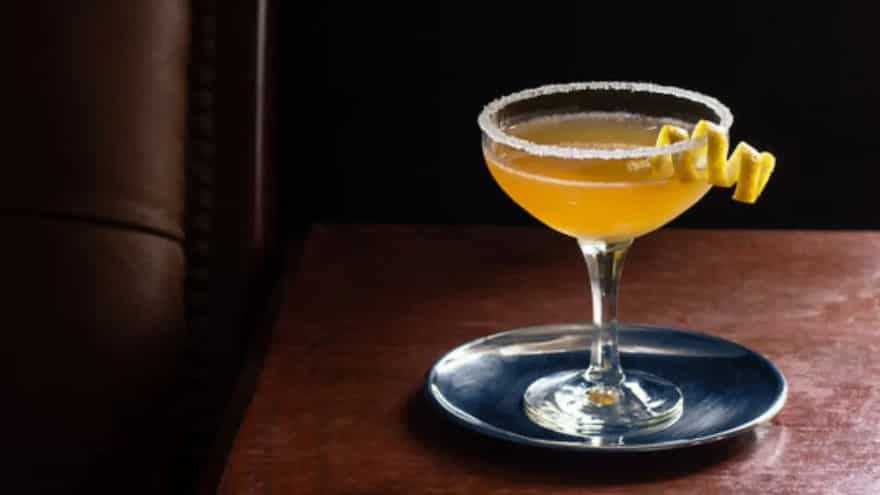
Image credit: Adobe Stock
Its structure mirrors the pre-Prohibition sour family, but the proportions were adjusted to suit the tastes of the time. Travellers returning from Europe carried the recipe with them, and it became a favourite in upscale hotels that operated just within the letter of the law. For the festive season, the Sidecar has just the elegance; it is citrus forward, perfectly golden, and feels as if it should be sipped while wearing velvet gloves.
4. The Southside
The Southside comes with multiple origin stories, but one of the most persistent links it to Chicago’s South Side, where it was supposedly popular with members of the city’s more notorious crime groups. Legend aside, the cocktail reflects exactly what Prohibition demanded: crisp, refreshing flavours that elevated the gin available at the time.
Ingredients
- 60 ml gin
- 25 ml fresh lime juice
- 20 ml simple syrup
- 6–8 mint leaves
Place the mint leaves in a shaker and gently press them with a muddler or the back of a spoon to release the oils. Add the gin, lime juice, and syrup. Shake with ice for about 12 seconds. Strain into a chilled coupe or serve over ice in a small highball.
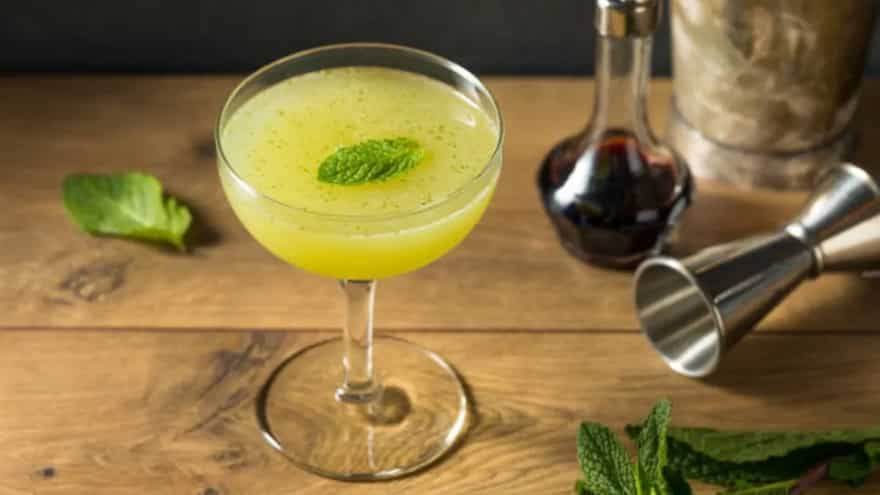
Image credit: Adobe Stock
Mint was widely available, inexpensive, and excellent for freshening a drink made with questionable gin. The Southside sits somewhere between a julep and a mojito in character, though it stands perfectly on its own. Its bright, garden-fresh flavour brings a welcome lift to December evenings, especially at gatherings where a lighter cocktail is best paired with heavier meals.
5. The French 75
Named after a French artillery gun used during the First World War, the French 75 was said to have a kick strong enough to match its namesake. Despite the dramatic name, the drink itself is elegant and effervescent, making it a natural choice for festive occasions. It pairs the celebratory mood of champagne with the crisp edge of gin.
Ingredients
- 30 ml gin
- 15 ml fresh lemon juice
- 10 ml simple syrup
- Champagne or dry sparkling wine
Shake the gin, lemon juice, and syrup with ice. Strain into a flute. Top with Champagne until the glass is nearly full. Stir gently.
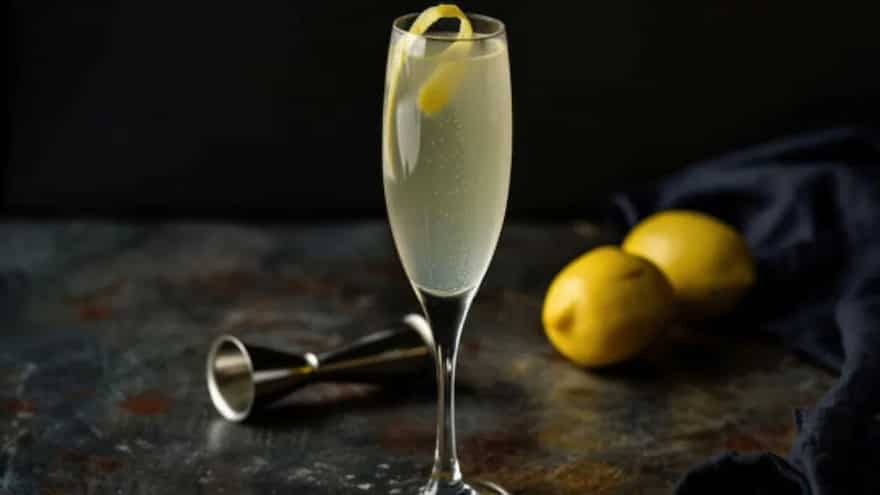
Image credit: Adobe Stock
Champagne cocktails flourished in the Roaring Twenties because sparkling wine created instant glamour, even when spirits were inconsistent. The French 75 balanced that sparkle with acidity and botanical notes, making it ideal for toasts. It remains one of the most festive cocktails ever created, and it captures the era’s glamour and thrill better than most.




