


 Share
Share

As the sun sets on the 25th of March, 2026, the atmosphere of Chaitra Navratri undergoes its most dramatic shift yet. We move from the structured warrior grace of the previous days into the raw, primordial power of the seventh night. This evening belongs to Maa Kalaratri. She is the most terrifying form of the Goddess, yet her name also translates to Shubhankari, the one who does good. For those observing the fasts in India and beyond, this day represents a deep cleansing of the soul and the removal of the most stubborn darkness within our lives.
The Midnight Sun: Symbolism Of Maa Kalaratri
Maa Kalaratri is depicted with a complexion as dark as the densest night. Her name is derived from Kala, meaning time or death, and Ratri, meaning night. She is the master of time and the destroyer of all that is stagnant or evil. Her appearance is designed to shock the senses and wake the devotee from the slumber of worldly illusion. She has three eyes that shine like lightning and hair that flows wild and loose. She rides a donkey, a symbol of humility and the ability to carry heavy burdens without complaint. Her four hands carry a cleaver and a spiked club, while the other two are held in gestures of protection and blessing. This fierce iconography serves a specific purpose: it reminds us that the divine is present even in the aspects of life that we find frightening or difficult. By facing Kalaratri, we face our own mortality and our deepest fears. When we survive this spiritual encounter, we emerge fearless. She is the one who ended the terror of the demons Shumbha and Nishumbha, proving that no darkness is too great for the light of pure consciousness to penetrate.
The Infinite Depths: The Colour Royal Blue
For the 25th of March, 2026, the spiritual vibration is aligned with royal blue. This is the colour of the vast ocean and the boundless evening sky. It represents a level of cosmic energy that is both calm and immensely powerful. While the previous days focused on the heat of the sun or the purity of white, royal blue draws our attention to the mysteries of the universe and the depth of our own intuition. Wearing royal blue on this day is an act of surrendering to the vastness of the divine. It is a colour that encourages self-confidence and the ability to look beyond the surface of things. In the practical context of a long fasting period, blue is a soothing shade that helps to quiet the mind and prepare the body for the final days of the festival. It symbolises the steady, unshakeable strength of a spirit that has been tested by fire and emerged resilient.
The Earthy Sweetness: Jaggery Bhog And Rituals
The most vital food ritual of the seventh day involves the offering of jaggery, known popularly as gur. Maa Kalaratri is believed to be immensely pleased by this simple, unrefined sweetener. In the spiritual tradition of India, jaggery is considered a pure substance that comes directly from the earth, representing the grounded power of the Goddess. The offering of jaggery is often made in its rawest form, but it is also used to create traditional sweets that are distributed as prasad. Offering gur is believed to remove obstacles from one’s life and bring mental peace. Many devotees also choose to donate jaggery to the needy on this day, as acts of charity are considered to be highly potent during the worship of Kalaratri. This ritual reminds us that even in the midst of fierce transformation, there is always a source of underlying sweetness and nourishment.
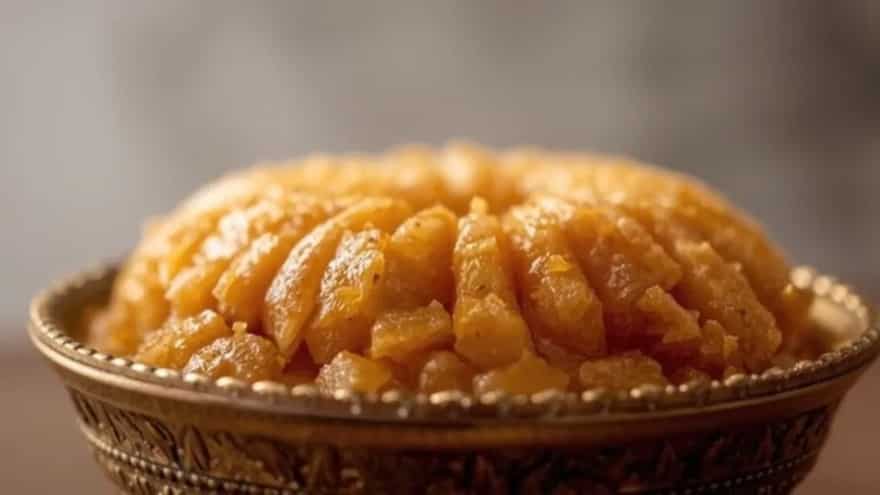
Image credit: Adobe Stock
What To Eat: Functional Nutrition For Day 7
By the seventh day of Chaitra Navratri 2026, the body has undergone a significant period of detoxification. The diet for the 25th of March should focus on supporting the liver and maintaining energy levels with natural sugars that do not cause a crash.
• Jaggery and Ginger: Starting the day with a small piece of jaggery and a bit of fresh ginger is a common ritual. This combination jumpstarts the digestion and provides a quick burst of energy without the need for caffeine.
• Nuts and Dried Fruits: To maintain the stamina required for the midnight prayers often associated with Kalaratri, a mixture of walnuts, almonds, and dried figs is ideal. These are high in healthy fats and fiber, keeping the brain sharp and the body full.
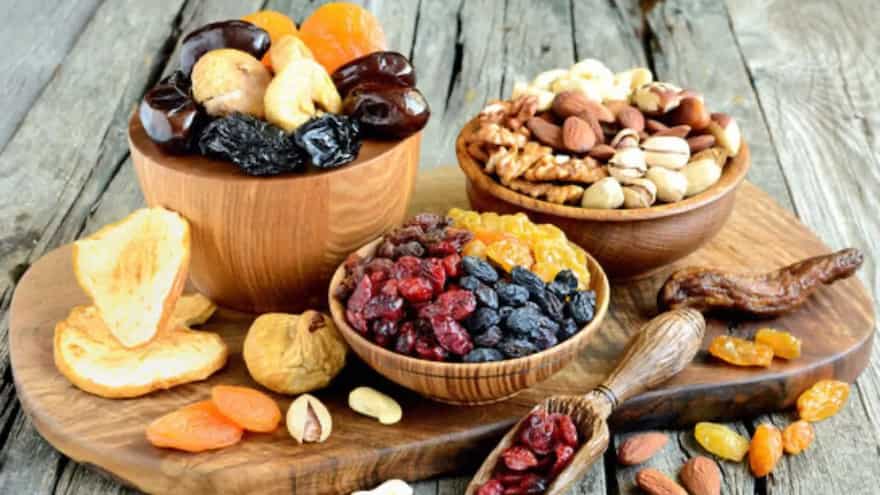
Image credit: Adobe Stock
• Hydration with Lemon: A drink made with lukewarm water, a teaspoon of jaggery, and a squeeze of lemon is a fantastic way to stay hydrated. It acts as a natural electrolyte, balancing the body’s internal environment after six days of restricted eating.

Image credit: Adobe Stock
• Gur ka Halwa: For a more substantial falahari meal, a halwa made from water chestnut flour (singhare ka atta) and jaggery is a perfect choice. It is rich in minerals and provides the comforting warmth that many seekers crave during the cooler spring evenings.




