


 Share
Share

In India, chaat is more than just a snack. It is a combination of tangy, spicy, sweet, and savoury flavours that has become a favourite at fairs, markets, and family functions. Serving chaat at home is a way to bring that street-side energy into a private celebration. A DIY chaat bar lets everyone mix and match ingredients to suit their taste. It also allows the host to prepare a variety of components in advance and focus on enjoying the event. Careful organisation of the space and ingredients ensures that the bar remains tidy and appealing throughout the celebration.
Choosing The Right Location And Setup
The first step in creating a chaat bar is to decide where it will be placed. It should be in an area with enough space for guests to move around without crowding. A long dining table or a sturdy buffet counter works well. The surface should be easy to clean because chutneys, yoghurt, and spices can spill. Covering the table with a washable cloth or disposable food-safe sheet can help with quick cleaning later. Make sure the serving area has good lighting because colourful food looks even more appealing when well-lit. If the event is in the evening, a few small lamps or string lights near the table can make it look inviting without being overdecorated. Placing the table near a water source can be useful for quick hand washing, although keeping a stack of wet wipes and tissues nearby is also important.
Selecting And Preparing The Chaat Varieties
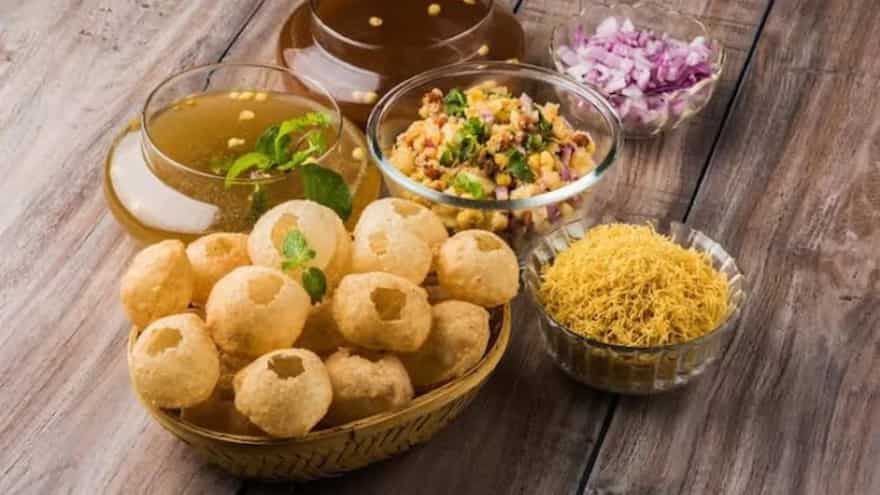
A successful chaat bar offers both popular and unique options. Popular choices include pani puri, sev puri, dahi puri, aloo tikki chaat, and papdi chaat. Each item requires its own set of condiments and toppings. You can include pani puri with different flavoured waters such as tangy tamarind, mint-coriander, and even spicy jaljeera. Sev puri and dahi puri need fresh papdis, sev, yoghurt, and chopped vegetables. Aloo tikki chaat works well with chana masala or ragda, along with chutneys and yoghurt. Some people enjoy bhel puri, which can be prepared in small portions to avoid sogginess. For variety, you can also add sprouted moong salad or corn chaat for those who prefer lighter options. Vegetables like onions, tomatoes, and coriander should be finely chopped and kept in separate bowls. Chutneys can be stored in squeeze bottles to make serving easier and cleaner.

Organising The Ingredients And Serving Tools
The order of ingredients on the chaat bar affects how quickly guests can assemble their plates. Arrange them in the order they will be used, starting with the base items like puris, papdis, or tikkis, followed by toppings, chutneys, and finally garnishes. Each ingredient should have its own serving spoon or tong to maintain hygiene. Labelling the bowls helps guests identify the items quickly, which also reduces queues at the bar. Keeping extra portions of popular ingredients under the table in sealed containers ensures quick refills. Disposables like paper plates and bowls make cleanup faster, though reusable steel or melamine plates can be used for a more eco-friendly approach.
Maintaining Freshness And Hygiene During Service
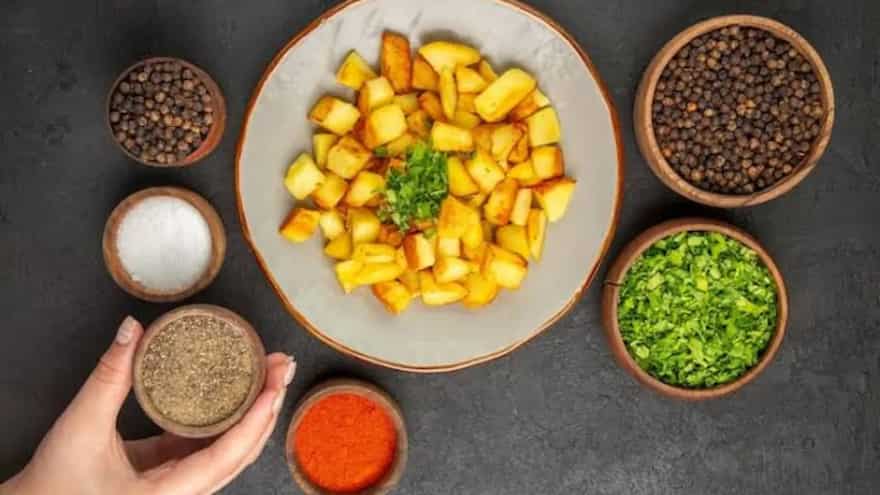
Chaat is best enjoyed fresh, so keeping the ingredients in good condition is essential. Cold items like yoghurt and chopped vegetables should be placed over ice trays to maintain a safe temperature. Hot items like aloo tikkis and ragda should be kept warm in insulated containers. Using separate spoons for each topping prevents flavours from mixing unintentionally. The table should be checked regularly for spills and cleared promptly. Providing a small bin nearby encourages guests to dispose of used plates and tissues quickly. It is also important to ensure that food is replenished in smaller batches to keep it looking fresh and prevent wastage.
Adding Personal Touches For A Festive Feel
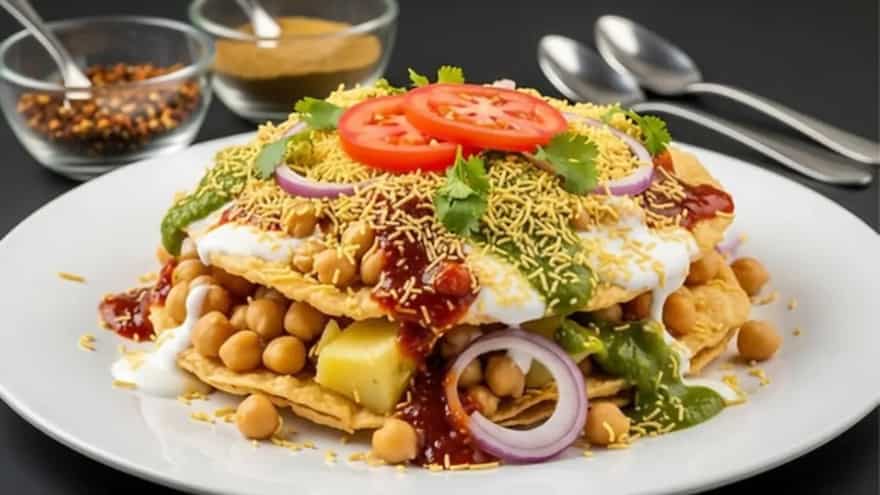
A chaat bar can become the highlight of a celebration with small but thoughtful details. Colourful bowls and serving dishes make the spread more appealing. Traditional touches like small clay bowls for chutneys or brass plates for puris can add charm. A few decorative elements such as fresh flowers or small festival lights can create a warm atmosphere. Offering seasonal specials, such as mango chutney during summer or roasted corn kernels during monsoon, gives the chaat bar a unique twist. Allowing guests to vote for their favourite creation can add a fun element to the gathering. These touches make the experience memorable and encourage guests to try different combinations.

Extra Tips And Tricks For A Smoother Experience
- Keep a backup bowl of chopped coriander and green chillies aside for quick refills because these are often the first to run out.
- If serving pani puri, consider using a small dispenser or drink dispenser with a tap for each flavoured water so guests can pour it themselves without spilling.
- Use separate bowls for sweet and spicy chutneys to avoid accidental mixing of flavours.
- Keep salt, chaat masala, and red chilli powder in shakers so guests can adjust seasoning.
- Offer small spoons instead of forks for easier eating, especially for items with more liquid content.
- Prepare more puris and papdis than you expect to need, as these tend to be the most popular and are inexpensive to stock in extra quantity.




