


 Share
Share

Climate change is largely caused by the chemical and agricultural industries. Scientists are developing new technology that combines natural, bio-based processes with electricity-based ones to address this. These hybrid systems can reduce pollution, absorb carbon more effectively, and make carbon-capture technology more affordable and practical for businesses. In essence, it's a more intelligent, environmentally friendly improvement that benefits both the economy and the environment.

Image Credit: Pexels
Recently, scientists have made some intriguing advancements in the use of electricity to convert CO2 and CO into acetate. Precision fermentation technology has also undergone significant advancements. When taken as a whole, these advancements are presenting electro-made acetate as a novel, substitute carbon source for synthetic biology, which is quite significant.
A two-step (tandem) CO2 electrolysis method and more intelligent reactor designs have made it possible to produce acetate in a way that is beginning to make commercial sense rather than simply lab sense. Simultaneously, advances in metabolic engineering are enabling bacteria to do more with acetate, transforming it into more complex carbon molecules that may be utilised to produce chemicals and food more sustainably.
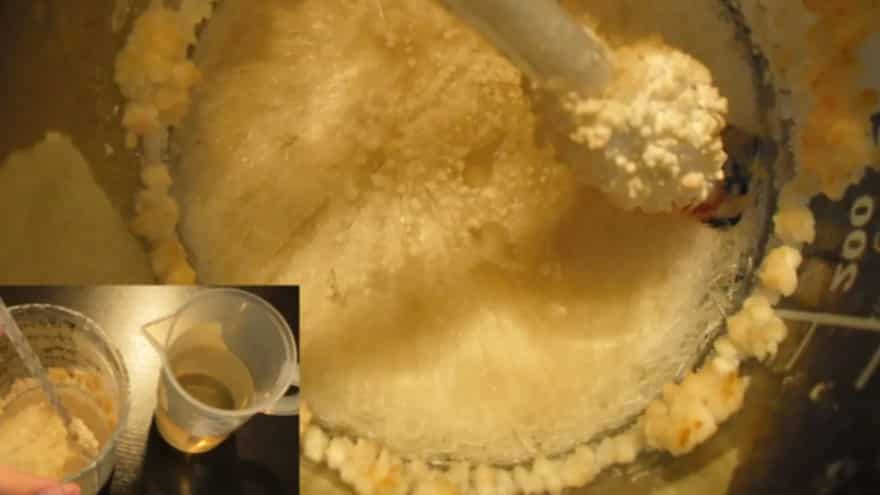
Image Credit: Wikimedia Commons
Because current precision fermentation frequently relies on sugars and starches from food crops, which directly compete with what humans eat, sources and reports highlight how important this is. This equation could be altered by using acetate instead, allowing for a cleaner synthesis that doesn't rely on the food supply. To be honest, it was inevitable. Nowadays, scientists, startups, investors, and governments are all suddenly in the same group chat over the buzzing, fast-moving idea of turning carbon dioxide into food. In the middle of it all? A somewhat bizarre mix of biotech and chemistry. Thus, lab-grown food is becoming popular. The true question, though, is whether this is merely fascinating science or if it has the potential to alter what ends up on our plates.
What Does It Mean When You Read Carbon Dioxide Is Turning Into Food?
This seems like one of those "wait, this is actually happening?" moments as you read it. When food is said to be "made from air" or "produced from carbon," the initial ingredient is actually carbon dioxide. CO2 is no longer considered trash in these more recent biotech systems; instead, it is utilised to produce proteins, lipids, and other beneficial substances. Typically, the process begins with the capture of carbon dioxide, which is then transformed into forms that microscopic organisms can consume and develop on.
Here, fermentation appears to be the preferred approach. Certain microorganisms either directly interact with CO2 or consume carbon compounds derived from it, as the reports mention. The system runs on clean electricity, which contributes to reduced emissions. The concept of using electro-made acetate rather of agricultural products sticks out. Many sources and readings mention how it might relieve some of the demand on farming as the world's population continues to expand.
Is It A Path To Affordable Food On Your Tables?
As you dig deeper into the depths of this fascinating laboratory process, there is also the aspect of the money side of things, but in a pretty practical way. It says that using electrochemical acetate instead of sugars like glucose can lower production costs for food and chemicals by around 16%, while also making prices less shaky. Since renewable electricity is getting cheaper so fast, this acetate-based approach might soon beat traditional methods on cost alone.
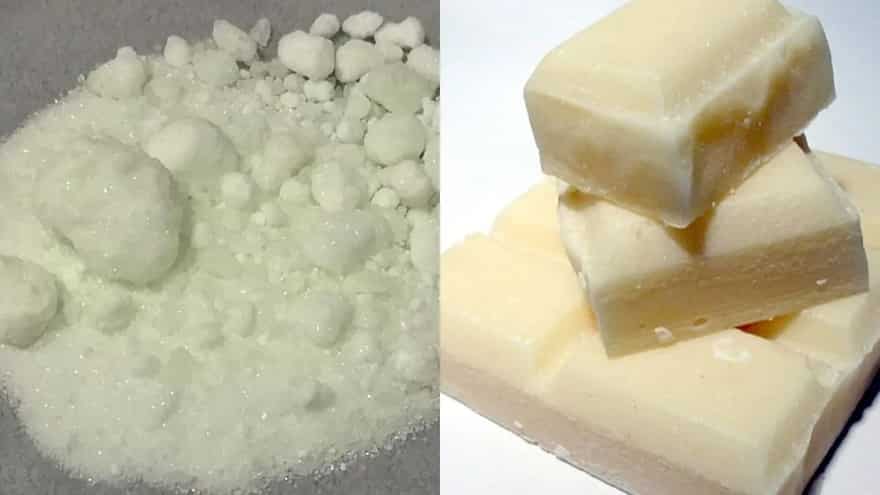
Image Credit: Wikimedia Commons
Then it moves on to the things that still need improvement. One challenge is producing acetate on a large scale; another is ensuring that it integrates seamlessly with current fermentation systems. The microorganisms must be resilient enough to withstand increased acetate levels without slowing down, and the acetate must be sufficiently pure to require little additional processing.
All in all, it reads like a snapshot of a system that is obviously moving in a significant direction but is not yet flawless. This method may provide a more environmentally friendly and economically viable way to produce food and chemicals by combining energy, chemistry, and life. Underneath it all, there seems to be a very obvious message. Improving the way food is made is not only wise, but also essential if you hope to have a habitable world in the future.
How Is Carbon Dioxide Being Turned Into Edible Food In The Labs?
There are two main ways people are trying to turn carbon dioxide into food. One is using living things, or using chemistry. On the living side, some tiny organisms already know how to do this. They take in carbon dioxide and, with the help of sunlight, turn it into sugars and plant-like matter. Cyanobacteria are one example. They work a bit like plants and use sunlight to make carbohydrates.
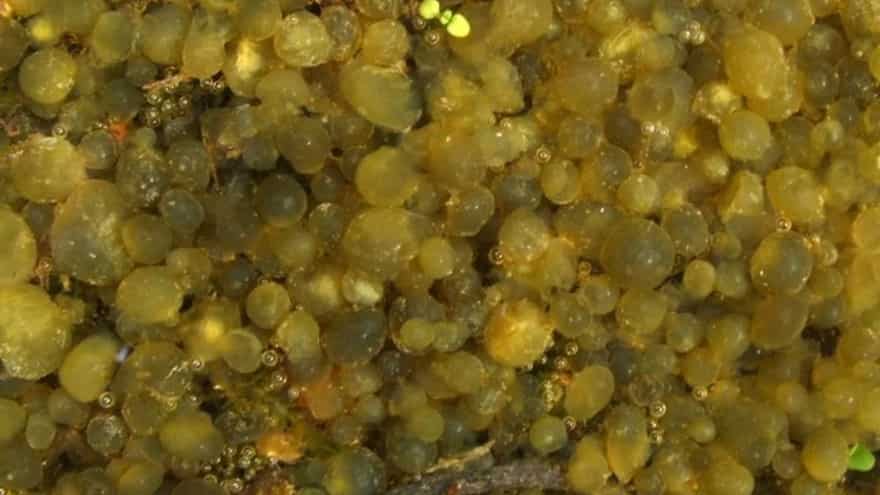
Image Credit: Wikimedia Commons
Additionally, there is a process known as synthetic photosynthesis. The concept is straightforward. Mimic what plants do, but in a more regulated and effective manner. Scientists are still experimenting with this, but the hope is to turn carbon dioxide and water straight into sugars that can later be used to make food. The main point is that the best ideas blend the two worlds. First, carbon dioxide is converted into simple carbon fragments using chemistry and electricity. Then, rather than depending solely on farm produce, those pieces can be used to cultivate food ingredients.
It demonstrates how scientists have far more control thanks to precise fermentation. Depending on what they wish to produce, they can modify bacteria to act in very particular ways. By doing this, businesses can influence the end product's nutritional value as well as its production cost. Using microbes to work with carbon dioxide is more targeted and occurs in milder settings than traditional fermentation, which results in less waste. It recycles carbon dioxide that would otherwise be released into the atmosphere, converting a pollution issue into something beneficial.
What Are Companies & Scientists Making In The Lab With Carbon Dioxide?
Investors, food brands, and even retailers are keeping a close eye on the industry because several businesses are now producing actual food ingredients in this manner. In essence, they are employing bacteria that consume carbon dioxide to grow protein. Clean power, a little chemistry, and fermentation make up the somewhat bizarre but straightforward arrangement. The microorganisms thrive, consume CO2 and hydrogen, and produce protein. Ultimately, it turns into a neutral powder that can be added to everyday dishes like bread, pasta, and dairy-free items without making them taste strange. It sounds futuristic, but it's also extremely grocery store-like.
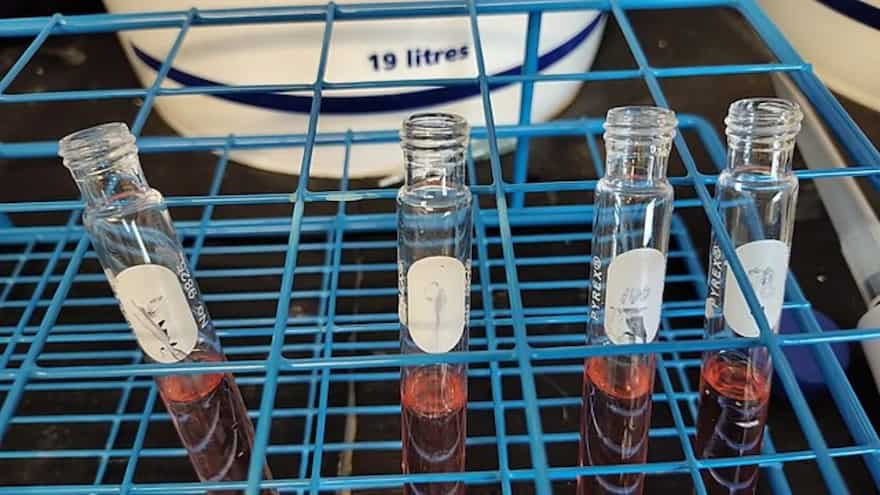
Image Credit: Wikimedia Commons
According to a few publications and sources, microorganisms are no longer the only ones working; a full chemical pathway is also gaining traction. This method uses heat and regulated processes to convert carbon dioxide into edible lipids without the use of bacteria. A US firm, Air Protein that uses carbon dioxide to make butter is one example that keeps coming up. Lengthy hydrocarbon chains are created by combining CO2 and hydrogen with a catalyst. Those chains are then turned into triglycerides. Basically, the same fat moleculesare found in regular butter, milk fat, and vegetable oils.
It's fascinating that scientists can modify these lipids to act like butter, palm oil, or even cocoa butter. In the case of butter, the fats are combined with water, an emulsifier, a small amount of flavouring, rosemary oil, and beta carotene for colour. Without the cows, fields, and farming baggage, the finished product has the appearance, flavour, and cooking qualities of regular butter.
Foods made from carbon dioxide won't become popular only because they are less expensive to produce or better for the environment. Only if they taste good and feel pleasant when consumed will people accept them. While CO2-made foods still have a limited variety, regular food already provides us with a range of recognisable flavours and nutrients. However, unlike farm food, which varies with the seasons and environment, they are quite constant; each batch tastes and looks the same.
Can Carbon Dioxide-Based Lab Food Win Over Regular Food?
The reports state that the majority of these items have a soft, flour-like texture and a moderate, nearly neutral taste. At first, that may seem odd, but it also gives them flexibility. For various cuisines and tastes, they can be blended, fermented, or flavoured. Because they don't entail pesticides, antibiotics, or soil contamination, they might potentially give consumers greater peace of mind in terms of safety.
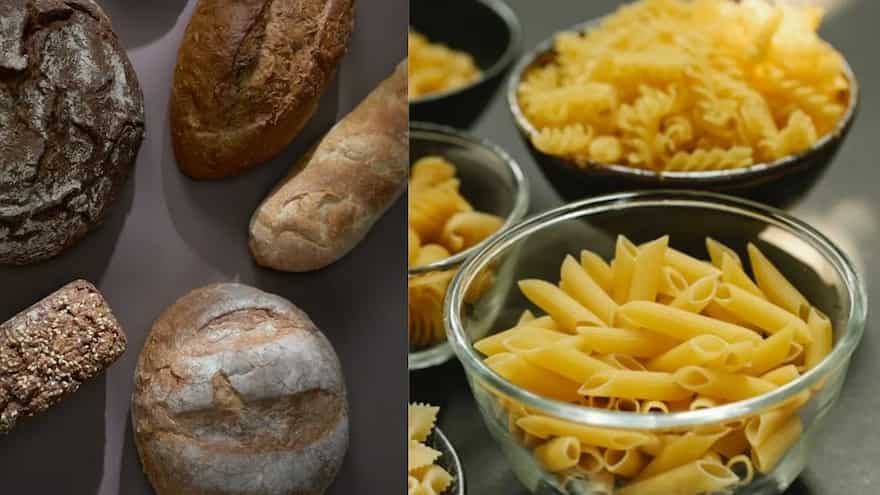
Image Credit: Pexels
Scale is the largest obstacle. Although creating enough food from carbon dioxide to feed vast populations seems futuristic, it is still costly and technically challenging. The systems require a lot of renewable energy, durable materials, and regulatory permissions. Right now, yields are too low to compete with the everyday foods people buy at the store, making it not an affordable option as thought before.
Interest is still rising, though. More consumers are becoming inquisitive rather than resistant as concerns about climate change grow. Younger generations are more willing to try this meal, although early reactions may be met with some hesitancy. It might just shoot up as a trend where people wonder how real it is. These foods have the potential to gradually change people's perceptions of eating, transferring food from fields to labs as a part of daily life, provided they can deliver on taste, cost, and trust.




