


 Share
Share

WHEN writer and journalist Pronoti Datta began work on In The Beginning There Was Bombay Duck, she wasn’t merely cataloguing dishes or restaurants. She was tracing how a city came into being through what it cooked, ate and shared. Published by Speaking Tiger as part of its city food-history series, the book uses food as a lens to tell the story of Mumbai’s early settlers, migrations and material culture, revealing how a port city’s cuisine was shaped by movement, memory and improvisation.
“The idea behind the series is to tell the story of a city by digging into its culinary history,” Datta says. “In the process, you sketch a picture of the city’s dining culture and also convey the plural nature of its cuisine.” In Mumbai’s case, that plurality is central. Ingredients and techniques arrived from across regions and continents, were absorbed into local kitchens, and transformed into something distinctly Bombay.
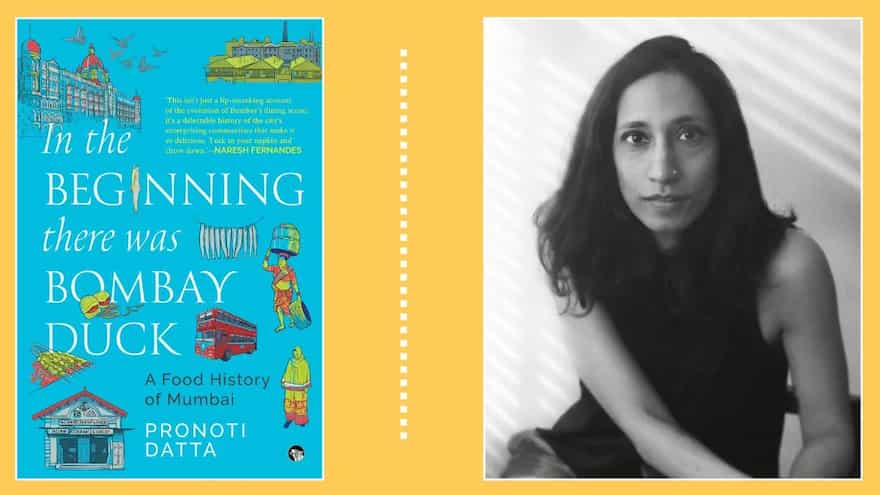
The research behind the book is as expansive as the city itself. Datta read deeply into the history of Mumbai and its early communities, consulted food and recipe books, and spent long hours walking through neighbourhoods, shops and restaurants. “I read as much as I could, but I also walked around a lot,” she says. “You learn so much just by being present in these spaces.”
What emerges is an exhaustive account of the history of Mumbai: be it the Portuguese influences on the food in the city, the legacy of masala in Maharastrian communities (how everyone from the kolis to the pathare prabhus have their own version), the rich Irani café culture, history of the pao and its origins as well as the Parsi culinary riches, it details every aspect of life that has influenced food in the maximum city: communities, caste, locality, need and culture.
Food as a metaphor for life
Conversations were key — some easily available, others hard won. “People taking ages to respond was probably the biggest challenge,” she admits. “I’ve had to wait months for interviews.”
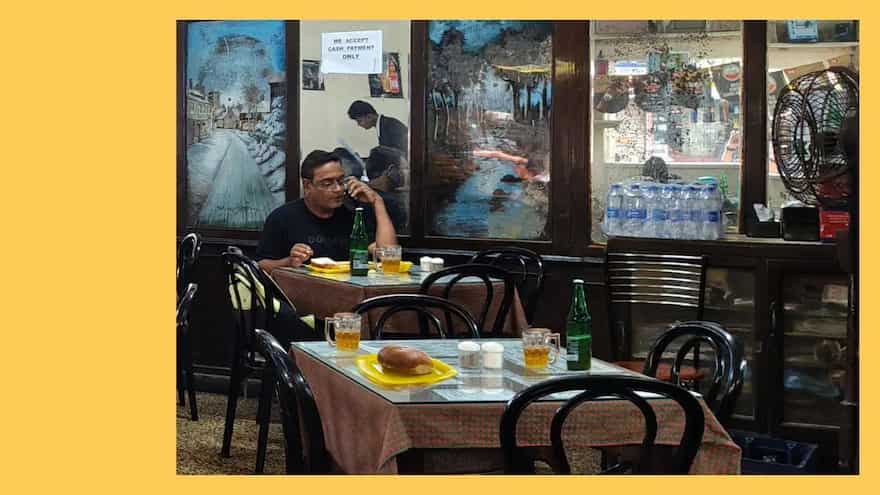
Some of those interviews, however, proved especially rewarding. Datta recalls her conversation with Reza Paknejad, owner of Sarvi in Nagpada, as a highlight. Despite Sarvi’s popularity, little is publicly known about its past, and Paknejad rarely speaks to the press. “That was special,” she says. Equally memorable was her meeting with Jude D’Souza of C D’Souza Marosa in Dhobi Talao: a bakery with a layered history that includes an Italian baker arrested in the 1940s on suspicion of spying for the Axis powers. These stories, woven through the book, anchor food firmly within the social and political currents of their time.
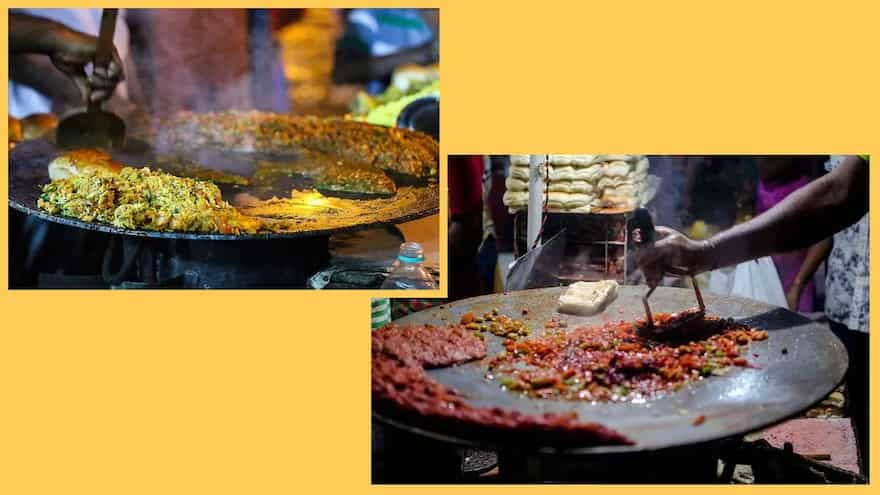
At the heart of Datta’s narrative is the idea that Mumbai’s cuisine has been shaped by two enduring forces: ingredients and people. As a port city, Mumbai has seen centuries of goods and migrants flowing in and out. It also belongs to the Konkan, a fact that defines many of its flavours. Coconut, rice, fish, and souring agents like tamarind and raw mango form the backbone of several cuisines native to the region, while communities such as the Bene Israelis, Parsis, Konkani Muslims, Goans and Gujaratis layered their own traditions onto this base.
What emerges is not a single culinary identity, but a constantly evolving one. Datta rejects the idea that contemporary eaters are unaware of this diversity. “There’s actually a hyper-awareness about food today,” she says, pointing to social media, home cooks sharing recipes online, restaurants serving regional fare, and food history walks across the city. Curiosity, she believes, has never been higher.
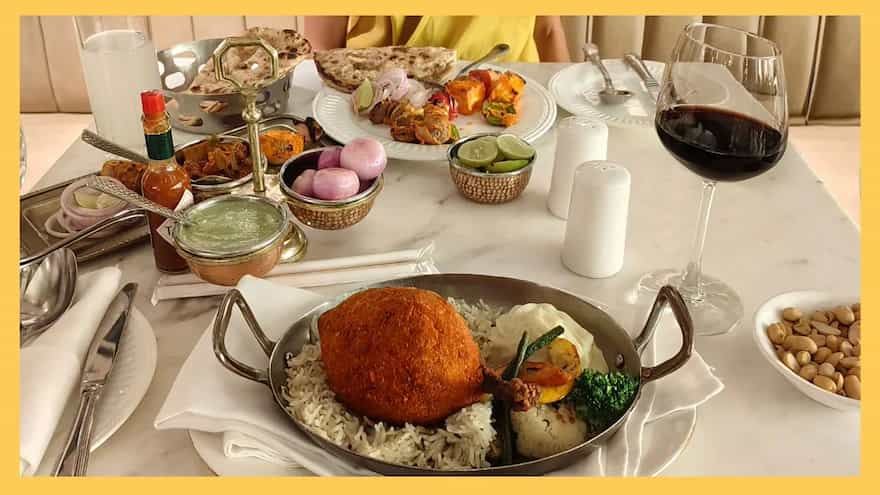
The city and its culinary habits
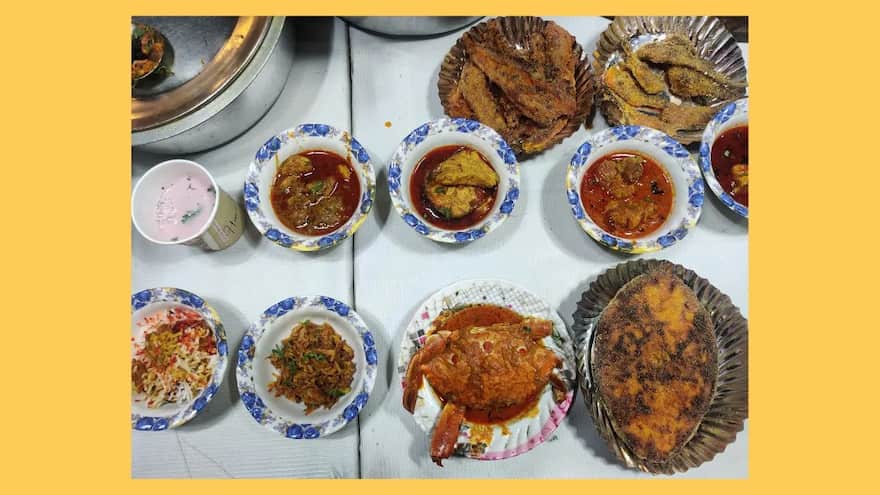
The book is also rich in surprises. Datta speaks with particular delight about discovering the food of the Pathare Prabhus, one of Mumbai’s earliest communities. Their repertoire includes mumbra, a banana cake made with shrimp, an unlikely but telling combination. Another idiosyncratic dish she writes about is saravle, prepared by Konkani Muslims: pasta cooked in sweetened milk, finished by cracking an egg on top, which cooks gently in the steam. Such dishes, she notes, reveal how communities adapted global ingredients to local tastes long before fusion became a buzzword.
Masalas receive their own thoughtful attention in the book, not just as flavouring agents but as cultural markers. While Datta has her favourite shops — Motilal Masalawala among them—she is especially fond of the annual Mahalaxmi Saras exhibition. “Women’s self-help groups from around Maharashtra sell masalas and fantastic ingredients there,” she says. “It’s an incredible space.”
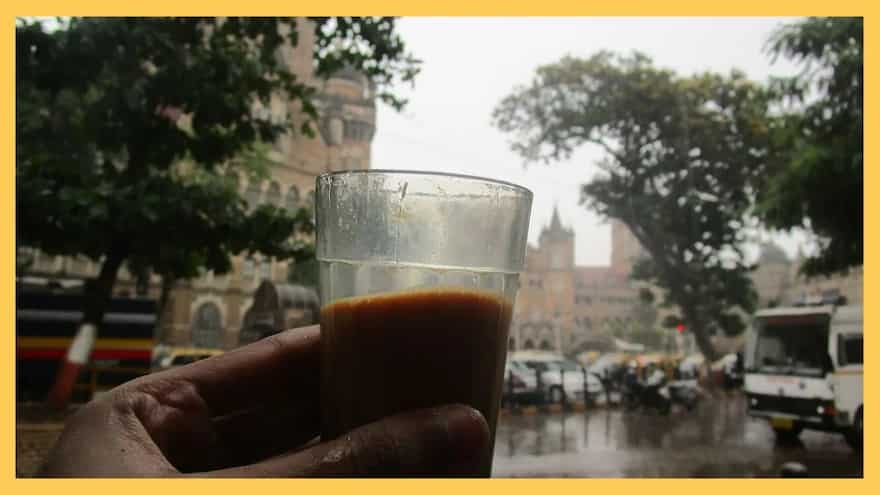
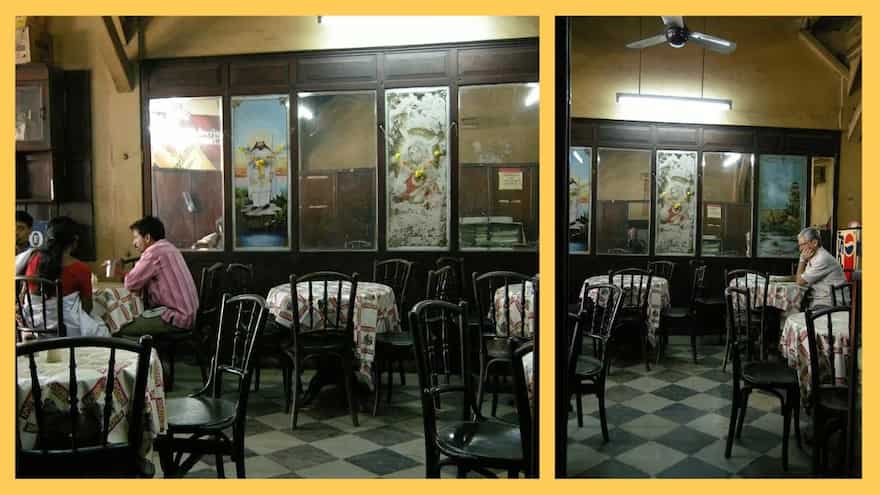
No account of Mumbai’s foodscape would be complete without Irani cafes, and Datta treats them with both affection and realism. Their gradual disappearance, she feels, is significant. “They were wonderful spaces, and for a large part of the twentieth century, among the few places where people across class would gather,” she says. In an increasingly fragmented city, the loss of such inclusive spaces matters, even as she acknowledges why younger generations may be reluctant to carry them forward.
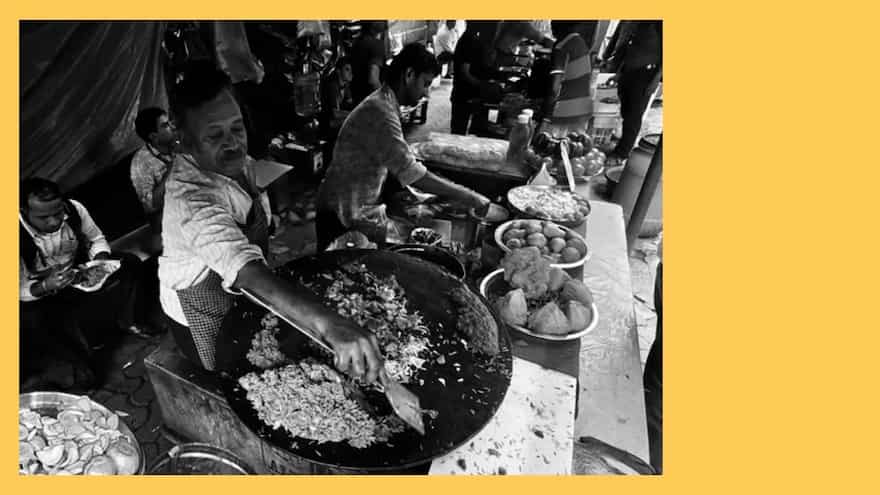
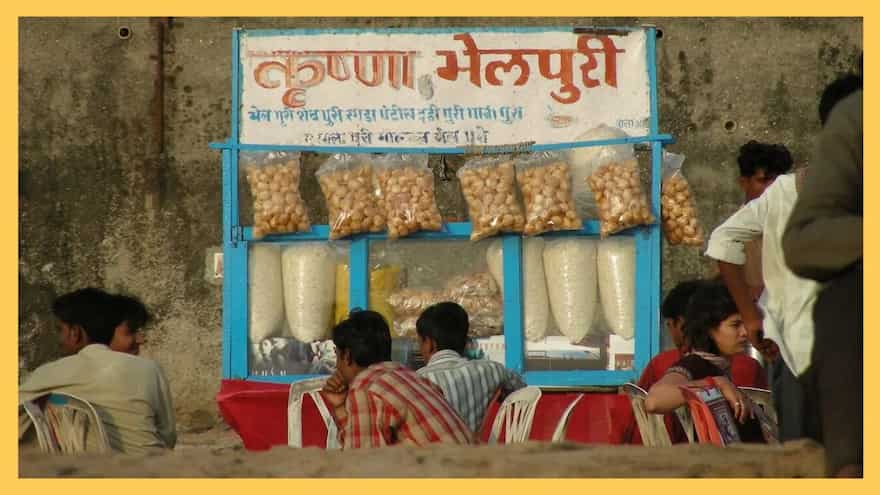
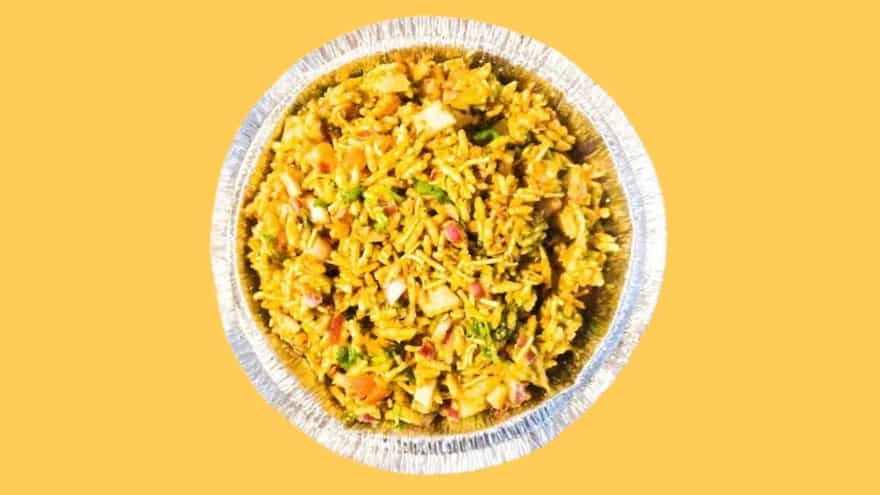
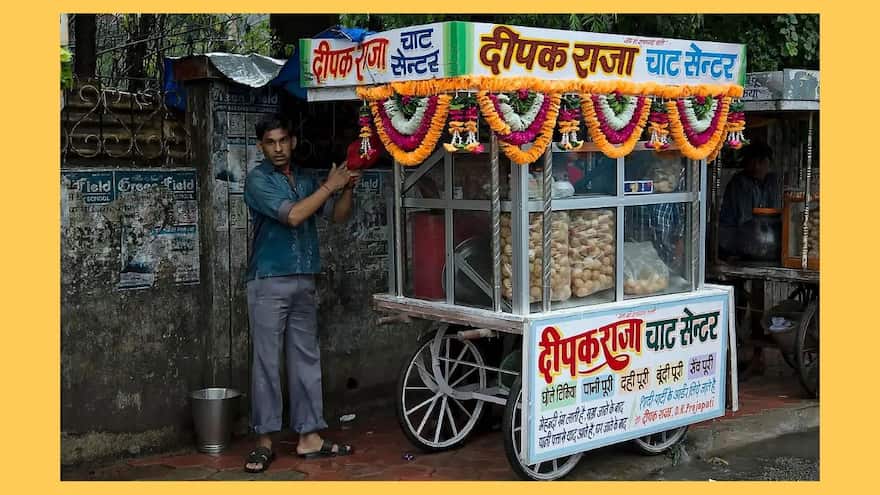
Asked to name places that capture the spirit of Mumbai today, Datta hesitates, “I’m not always sure what we mean by the spirit of Mumbai” — before settling on inventiveness as a defining quality. That spirit, she believes, is most evident in food: in street vendors endlessly reinventing snacks, in restaurants like Bombay Canteen surfacing regional ingredients in new ways, and in places like Kala Ghoda Cafe that combine classic cafe fare with comforting Parsi dishes.
Ultimately, In The Beginning There Was Bombay Duck argues that Mumbai’s food history is a metaphor for the city itself. A confluence of cultures, shaped by movement and necessity, it tells a story that is at once deeply local and irreducibly global, one best understood, Datta suggests, through the act of eating.
What makes this special and unlike any other book on food is the amount of heart and history the author brings to it. With a small list of curated recipes as a finishing touch, it ends the same way it starts, by keeping food and people at the centre of writing. An addictive account of the unique world of Mumbai food.
Pronoti Datta's In The Beginning There Was Bombay Duck (360 Pages | 2025 | Rs 699) is published by Speaking Tiger Books.




