


 Share
Share

SOUTH INDIAN CUISINE has always been an important dot on Mumbai’s culinary map, especially since A Rama Nayak from Udipi, Karnataka, opened his eponymously named eatery in the early 1930s. His chosen location, Matunga, became a hub of Udipi cafes, and still continues to be, almost a hundred years later. Whether it is our favourites Amba Bhavan, Café Mysore, Café Madras, or one of the many others, we don’t mind queueing up for our South Indian saapad fix on weekend mornings. This cluster of old favourites continues to hold ground, giving both comfort and legitimacy to this cuisine in the city.
Over the decades, high-end restaurants like Dakshin Culture Curry, Konkan Café, Banana Leaf, Tanjore Tiffin Room, and Thangabali have done their part in introducing the cuisine of different regions of South India, featuring their unique ingredients, dishes, and nuances, while attempting to take the conversation beyond idli and dosa. There have also been spots celebrating the cuisine of a particular state, think Gonguura and South of Vindhyas (Andhra), Madrasi Central (Chettinad), or Malayali cuisine at Deluxe and Taste of Kerala.
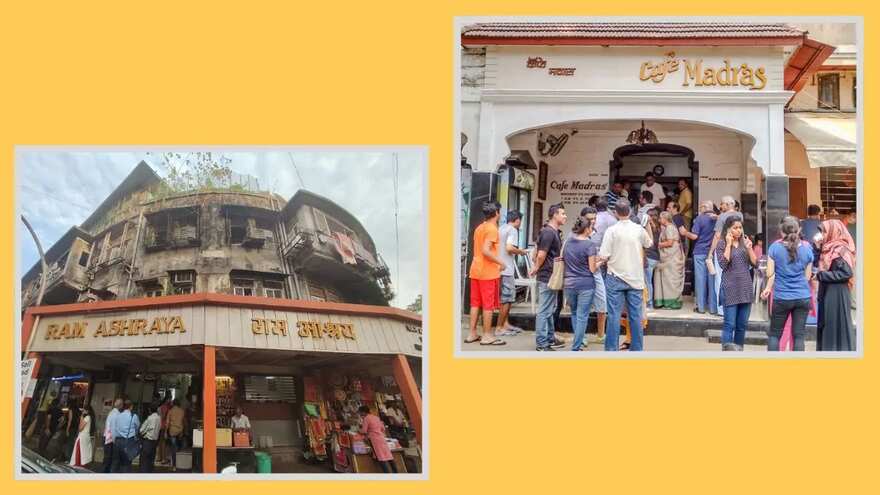
Over the past few years, however, the South Indian dining culture has acquired fresh energy, different addresses and a renewed zest. From the storied lanes of Matunga East to trendy neighbourhoods like Bandra and Lower Parel and the old-city precinct of Fort, South Indian dining in Mumbai is no longer just predictable comfort food. It’s evolving, exciting, and drawing serious attention.
Nair On Fire, set up by Chefs Sara Jacob Nair and her husband Vinod, and Toral Sanghavi, has busted many a myth about South Indian food being vegetarian or tame. Their fiery flavours and celebration of Thattukada street culture, as well as the usual Onam Sadya and a unique non-veg ‘un-sadya’, have won a fan following across the city. And after the ITC brought its brand Avartana from Chennai to Mumbai, the city hasn’t been able to get enough of its fabulous degustation menus ranging up to even 13 courses of regional flavours from across South India! Such specificity in a fine-dining format is path-breaking and tells you just how much Mumbaikars have loved the idea.

Take, for example, Benne. Founders Shriya Narayan and Akhil Iyer say they set out to bring the ‘buttery dosa’ they missed when living away from Bengaluru to the bylanes of Bandra last year. While their ‘darshini’-style menu highlights the traditional Davangere benne dosa, masala dosa, ghee idli, thatte idli and filter coffee, emphasising the richness of butter and batter as a craft, what else sets them apart? In a city of thousands of cafés, this one offers a focused concept – buttery dosas – with Instagram-friendly presentation, a chilled vibe, and the appeal of a speciality food that’s rare in Mumbai. The long lines of hungry diners waiting to get a piece of the stellar benne dosa action, whether real or perceived, speak volumes for its success. Not far away is Kari Apla, founded by chefs Ebaani Tewari and Mathew Varghese, which dips into the coastal cuisine of the Deccan and (sometimes) gives it a fusion or modern twist, which has also caught the imagination of the eat-out brigade. Uppu, the latest in the mix at Bandra, is a vegetarian take on the food of the southern states by the Ahujas, a Punjabi family with fond memories of their ritual Sunday meals at Amba Bhavan.
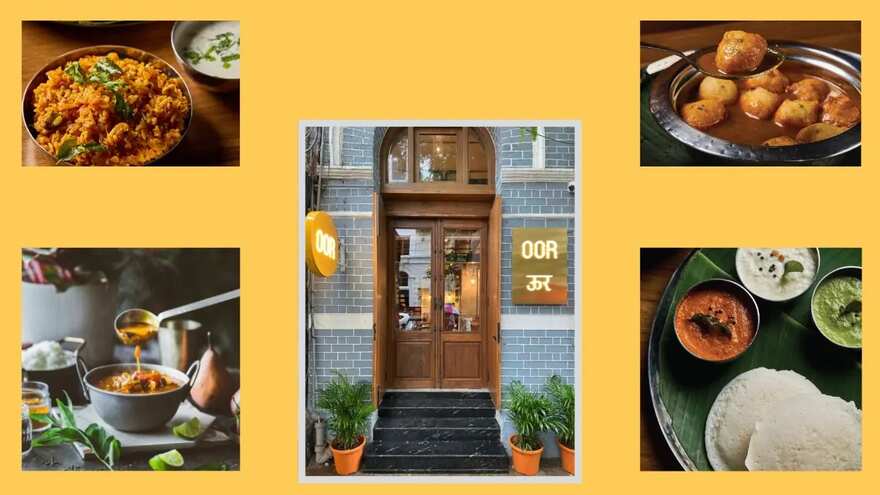
And then there’s Oor, that’s recently been opened close to CST by Panchali and Vijay Bhatia. Its ‘home kitchen’ concept may be miles away from the ethos of Ekaa upstairs, but the narrative of recipes and techniques handed down from mother to daughter, the imagery of freshly pounded podi powders, and the promise of zero baking soda (seen as a healthy plus) in the batters, give Oor a cachet that other similar restaurants don’t enjoy. Diners are seen waiting impatiently for Panchali’s version of benne dosa, thatte idli, pineapple rasam, kottige (idlis steamed in jackfruit leaves) and more — dishes that evoke a regional, personal origin rather than a chain-style mass menu.
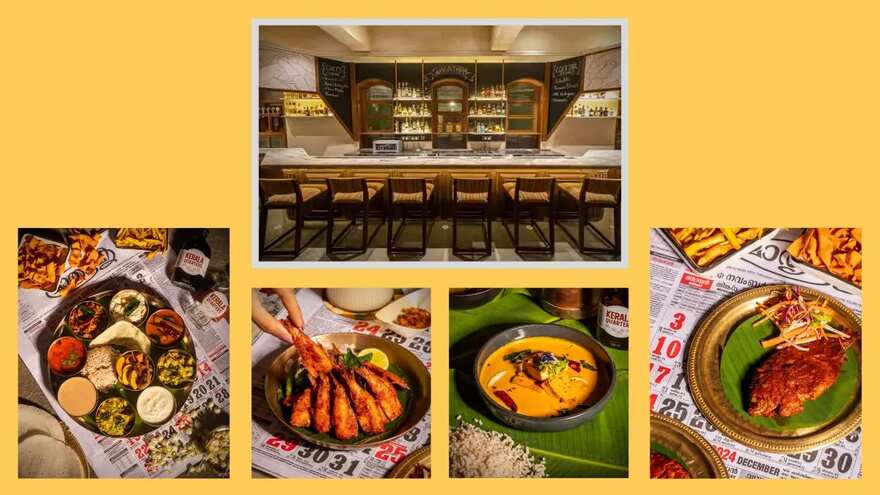
The Kerala Quarters credo goes ‘sip on stories, feast on memories’. Brothers Pankaj and Avinash Gupta, founders of this beautiful restaurant in Lower Parel, offer everything from themed cocktails to bar ‘touchings’, and an introduction to the cooking utensils used to an understanding of the various regions of Kerala. Contrary to the idea that South Indian cuisine is timid, theirs is a robust, rambunctious menu that incorporates alcohol, meat, and well-researched recipes, all accompanied by spot-on spices. All without losing that personality and personal touch in the service.
So, is this what sets these super successful new wave places apart? A new narrative that encompasses heritage, region, and a clear identity, which gives the person visiting the restaurant an experience rather than just a meal. And, perhaps, a sharper focus on story, rather than just the ‘South Indian food’ trope. The menu poised at the point where comfort and novelty intersect… where you recognise dosas/kaapi, but you feel you are trying something slightly elevated. There’s also a clarity of concept that allows for a more curated menu with fewer items, each one seemingly crafted with care. And while the décor is tasteful and on-trend, certainly Instagram-aware, it is still anchored in gastronomic integrity, cueing ‘real’ feels. Regional diversity is now appreciated, with diners being more educated and curious about diverse cuisines. They won’t be content with milk-white idlis and wishy-washy sambars anymore. They will not only ask for Kerala avial, Tamil Nadu kuzhambu, Andhra pesarattu, Telangana sarva pindi or Karnataka holige with hot ghee, but also be knowledgeable about the differences in the food of various communities and geographies within each state. The new restaurants cater to this new awareness.
It’s no wonder that Ranjit Bindra, Shilpa Shetty and Kunal Jani have decided to convert their OG Bandra bastion Bastian into the ready-to-launch Ammakai, promising a deep focus on Mangalorean cuisine. The name translates to ‘mother’s hand’, ostensibly blessing it with the love and attention to detail that only amma can bring. And Mumbai can adore.
Priya Pathiyan is a lifestyle, travel, and food writer with almost three decades of experience in journalism. Her work has appeared in India Today, Condé Nast Traveller, Hindustan Times, Travel + Leisure Asia, and other leading national and international publications.




