


 Share
Share

Paneer has long been an easy source of protein in Indian households. From quick bhurji to rich gravies, it is the centre of many vegetarian meals for generations. But with milk prices that have been increasing steadily over the past few months, it is expected that paneer prices may rise further too. One of the most important reasons behind this increase in the price is the growing pressure on the transportation and dairy supply chains, driven by rising fuel costs. Global crude oil tension, particularly due to turmoil in parts of the Middle East, has pushed transportation expenses much higher across many sectors. Since dairy products need constant movement, refrigeration and also fast delivery, even a small hike in fuel prices quickly affects the price of milk and paneer.
For many families, this means that everyday paneer dishes may gradually become costly for regular cooking. But the good news is that in India, there are already many naturally high-protein vegetarian foods that can provide the same source of protein as paneer. Some are more affordable, some are more lightweight for digestion, and many offer excellent nutrition, too, sometimes more than the paneer itself.
Tofu
Tofu is likely the closest substitute for paneer in terms of texture as well as versatility. Prepared from soy milk, it soaks up the spices beautifully and works well in Indian gravies just like the paneer, in stir-fries, wraps and even tikka-style dishes. Unlike the paneer, tofu is naturally lower in saturated fat while still delivering an excellent source of protein. Firm tofu particularly holds shape well during cooking and makes an enjoyable bite when pan-seared.
During summer, many people also find tofu a bit lighter on digestion when compared to the rich paneer curries. It pairs particularly well with garlic-heavy sauces, chilli gravies, and fresh vegetables.
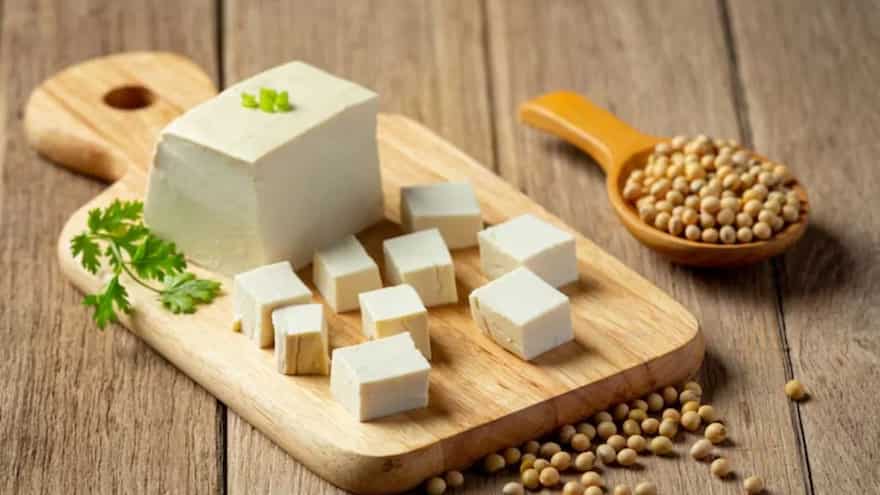
(Image credit: Freepik)
Soya Chaap
Soya chaap has quietly evolved as one of the most popular vegetarian protein options in urban Indian kitchens. Prepared largely from soy protein, it has a chewy, meat-like texture that works beautifully in spicy gravies, tandoori dishes, and rolls. Protein-wise, it often competes with paneer while usually costing less.
Since chaap soaks the marinades deeply, it produces bold flavours without needing excessive cream or butter. However, moderation still matters because the packaged chaap can sometimes have added sodium.
Chana (Chickpeas)
Chickpeas are one of India’s oldest and most trustworthy sources of protein for vegetarians. Whether cooked in chole, roasted in the snacks or blended to make hummus, they deliver protein along with fibre, keeping you full for a long time. Unlike the paneer-heavy dishes that can sometimes feel a bit too rich during the summer, chickpea-based meals often feel steadier and are also easy to digest.
Chickpeas also work beautifully in salads when mixed with cucumbers, onions and lemon. Nutritionally, chickpeas also support the energy levels while giving enough iron and complex carbohydrates, making them far more than just an add-on element.
Moong Dal
Moong dal seldom gets talked about as a protein substitute, but it performs that role brilliantly. From blending it to make chillas and tikkis to using it to make khichdi and sprouts, it provides an adequate amount of protein and also keeps the digestive system in place.
Sprouted moong particularly offers freshness, crunch and also additional nutrients without having the need for complex cooking. Apart from just the protein, it also gives fibre, potassium and hydration-friendly qualities that feel particularly comforting during the summer season.
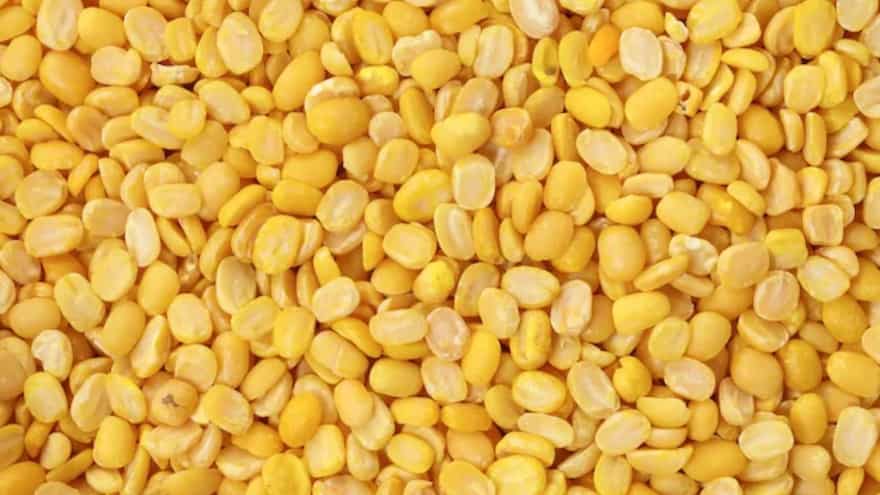
(Image credit: Freepik)
Peanuts
Peanuts are often undervalued in terms of nutrition because they feel too common to count as a protein. But they actually deliver exceptional plant protein along with healthy fats that make meals more enjoyable. In Indian kitchens, peanuts are already used in chutneys, poha, sabzis and in chaats and snacks.
Roasted peanuts, when blended into gravies or crushed into salads, can add richness equal to creamy paneer dishes without depending on dairy alone. Peanut curd dips, peanut chaats and peanut-based stir-fries also feel more lightweight while still keeping meals full of flavours, cheap and also keep you filling for longer.




