Share
Share

Long before plates were piled in cupboards, meals were eaten on leaves. Eating on leaves is not just about tradition; it is instinctive, useful, and surprisingly thoughtful. A warm leaf delivers fragrance, the food cools down naturally, keeps the flavours unchanged without interrupting the way metal or plastic do. There is also something extremely human about it: no clatter of cutlery, no fuss, simply the food and hands working together. Across cultures, leaves became trusted partners in cooking and serving because they were local, biodegradable, and safe.
They added subtle flavour, protected food during steaming or boiling, and turned meals into shared experiences rather than individual shares. Even today, eating on leaves feels grounding, like slowing down in a fast-running world. It is a reminder that food does not need to be extra to feel special. Sometimes, a simple leaf is sufficient to carry warmth, remembrance, and nutrition from kitchen to table.
Banana Leaves, India & Southeast Asia
Banana leaves are nature’s disposable plates with advantages. If heated lightly, they emit a grassy aroma that aromatises rice, curries, and steamed foods. Across South and Southeast Asia, banana leaves are used not just for tradition but for practicality—they are sturdy, heat-resistant, and naturally antimicrobial. Food, when served on banana leaves,s remains warm long enough,h and they absorb subtle flavours without having any chemicals. From sadya feasts to street-side meals,s the banana leaf turns eating into a sensory experience where aroma, texture, and taste all work together.
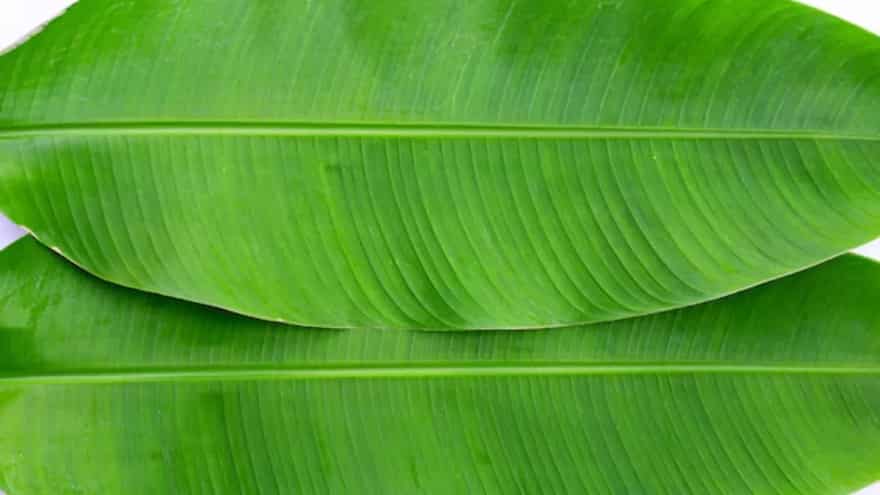
(Image credit: Freepik)
Lotus Leaves, China
Lotus leaves are a culinary covering paper that has character. In Chinese cooking, rice, chicken, or pork is covered in lotus leaves and steamed, which lets a faint, herbal, tea-like scent seep in. The leaves protect the food from the direct heat, sealing in moisture while adding grace to the food. Often used during the festivals, lotus leaves also represent purity as well as calm. When the leaves unwrap, the rising steam as well as fragrance feel proper, making the leaf a part of the experience as the dish itself.
Teak Leaves, India
Teak leaves are bold, stunning, and functional. Used in parts of central as well as eastern India, they deliver a deep reddish stain and earthy fragrance to food. Meals are served on teak leaves that feel rustic as well as grounding. The leaves are thick enough to hold hot food without tearing and are often sewn into plates for the community feasting. Teak leaves are not just about comfort, but they connect food to forests, seasons, and local tradition in every bite.
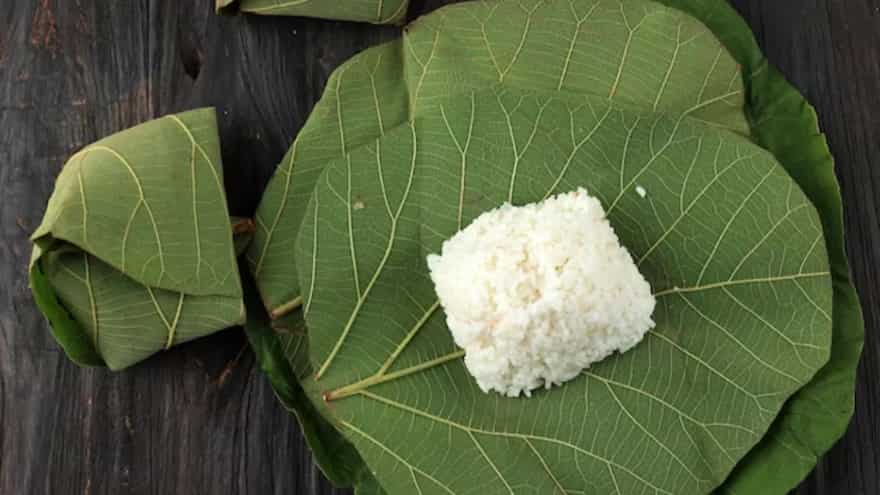
(Image credit: Freepik)
Grape Leaves, Mediterranean & Middle East
Grape leaves are best known for dolma, where they wrap rice, herbs, and meat in tight, flavour-packed parcels. They have a slight tang that balances the rich fillings beautifully. Thin but strong, grape leaves fold neatly without breaking down, making them perfect for packing. Across the Mediterranean and Middle East, these leaves can change simple ingredients into elegant bites, proving that leaves are not just vessels, but that they are seasoning, structure, and essence all at once.
Bamboo Leaves, East Asia
Bamboo leaves deliver subtle sweetness as well as structure to food. In Chinese and Japanese cuisines, they are used to wrap rice dumplings such as zongzi, protecting them during long boiling or steaming. The leaves impart a mild, fresh fragrance while keeping the food unchanged. Naturally antibacterial and sturdy, bamboo leaves make slow cooking possible without turning them soggy. They can change simple rice to something fragrant, festive, and deeply rooted in tradition.
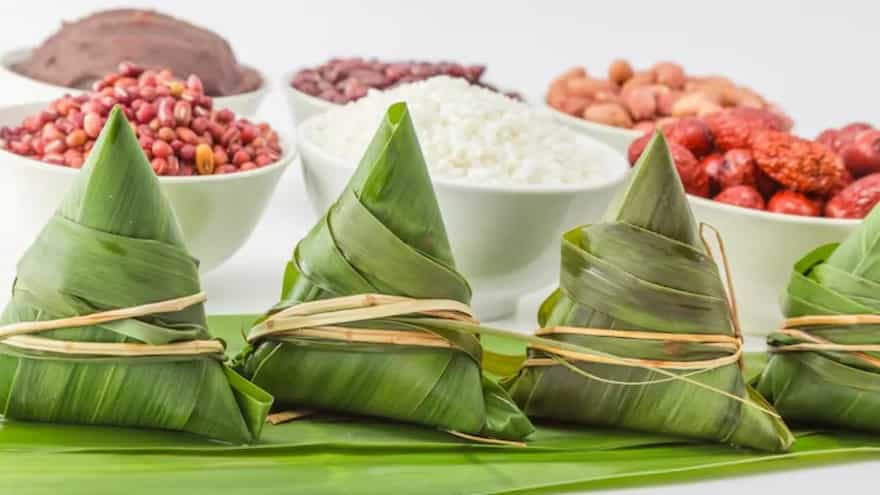
(Image credit: Freepik)