


 Share
Share

It is hard to define Bengali cuisine without serving a few iconic dishes that will immediately tell your taste buds the truth without using a single word. And ghugni has to be one of them. Few Bengali dishes can move as effortlessly between a roadside snack stall, a family breakfast, and a festive spread as humbly as ghugni.
Just a flimsy paper bowl, but full of steaming motorer ghugni topped with chopped onion, green chillies, and a squeeze of lemon, is a familiar sight across Kolkata and much of West Bengal. At home, the same dried-pea curry is often served with luchi, enriched with various vegetables, or cooked with meat for a more substantial and creative meal.
Ghugni's appeal lies in its remarkable flexibility. Its foundation is inexpensive dried peas, but the final dish depends on the cook's choice of vegetables, spices, cooking oil, as well as various accompaniments. Now, the familiar Kolkata version is typically made with dried white or yellow peas, while neighbouring food traditions have their own interpretations. For example, Odisha's guguni is commonly served with muri, bara or puri.
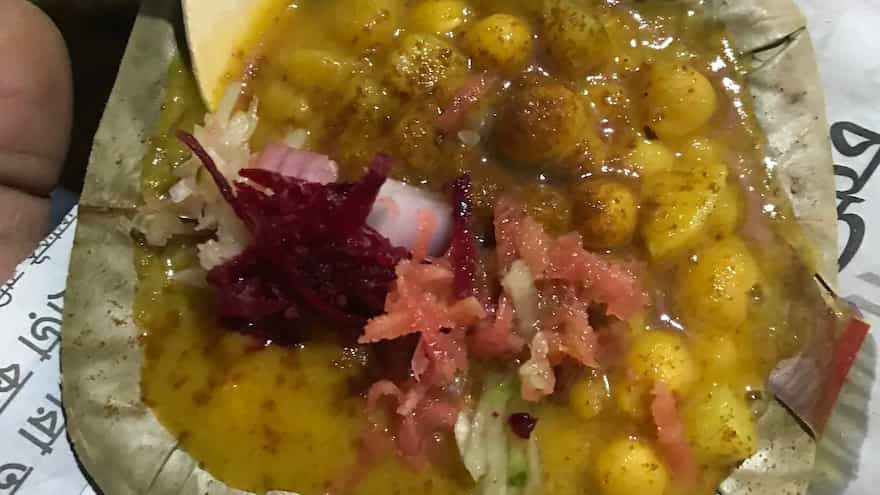
Image credit: Wikimedia Commons
There is one important distinction when exploring regional varieties: although potato, coconut and meat have recognisable places in Bengali ghugni, not every vegetable combination is a ‘formally established’ district speciality. The recipes below include traditional, local, and family-heritage interpretations of the classic ghugni without assigning any fixed or unverified origin to any particular place.
Underrated Yet Delicious: Have You Tried These 5 Ghugni Varieties Yet?
Narkel-O-Alu Ghugni: With Fried Coconut and Potato
Potato and coconut give Bengali ghugni a more elaborate texture. Thin coconut pieces are fried until golden, while the potato softens in the gravy. The coconut's gentle sweetness balances the earthy peas and pungent mustard oil, making this an especially delectable accompaniment to luchi.
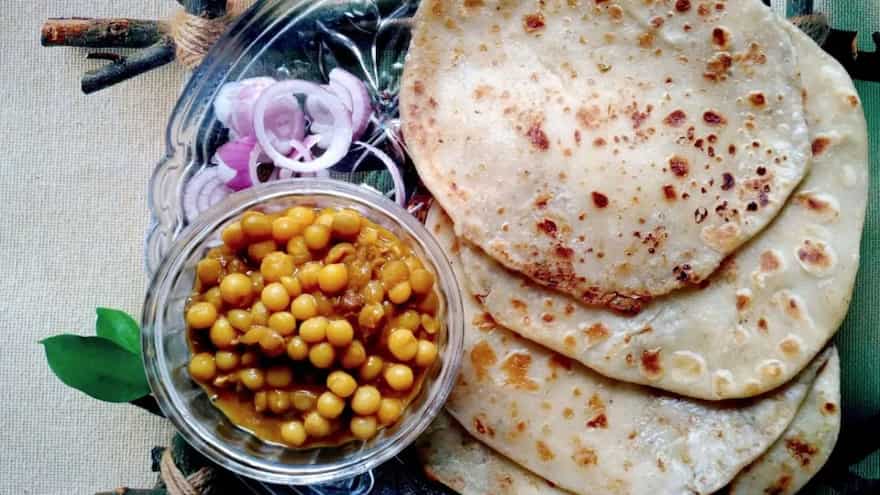
Image credit: Wikimedia Commons
Ingredients (Serves 3 to 4)
- 250 g dried white peas
- 2 medium potatoes, cubed
- 50 g fresh coconut, sliced
- 3 tbsp mustard oil
- 1 onion, chopped
- 1 tomato, chopped
- 1 tsp ginger paste
- ½ tsp cumin seeds
- ½ tsp turmeric powder
- 1 tsp cumin powder
- ½ tsp garam masala
- Salt and green chillies, to taste
Method
Soak and cook your peas until tender. Then fry the coconut slices in mustard oil until golden and reserve them. Now fry the potatoes in the same oil. Time to add cumin seeds, onion, and ginger, followed by the tomato, turmeric, cumin powder, and salt. Cook until the masala is fragrant and releases some oil. Pour in the peas, potatoes, and a little water. Simmer until the potatoes are soft and the gravy thickens. Finally, stir in the fried coconut and garam masala before serving.
Phulkopir Ghugni: A Cauliflower-Enriched Winter Version
Cauliflower is a familiar winter vegetable in Bengal, frequently cooked with potatoes, peas, and warming spices. Adding it to ghugni is a practical seasonal variation, as it gives the curry more texture and allows the dried peas to share the plate with a vegetable that readily absorbs the surrounding masala and becomes extra delicious.
Ingredients (Serves 3 to 4)
- 200 g dried white peas
- 200 g cauliflower florets
- 1 medium potato, cubed
- 2 tbsp mustard oil
- 1 onion, chopped
- 1 tomato, chopped
- 1 tsp ginger paste
- ½ tsp turmeric powder
- 1 tsp cumin powder
- ½ tsp coriander powder
- ½ tsp bhaja masala
- Salt and green chillies, to taste
Method
Soak and cook your peas until they are tender. Now, heat the mustard oil and fry your potato cubes until lightly golden. Pour in the cauliflower florets and cook for 3 to 4 minutes until lightly coloured, then remove and keep them aside. In the same pan, cook your onion and ginger, then add the tomato, turmeric, cumin, coriander, and salt. Stir in the cooked peas, potato, and cauliflower, adding enough reserved pea-cooking liquid to form a thick gravy. Cover and cook over a low heat until the cauliflower is tender but not falling apart. Finish with bhaja masala and green chillies.
Kumro Diye Ghugni: A Pumpkin Variation
Pumpkin, or kumro, is a familiar ingredient in Bengali home cooking, appearing in everything from vegetable preparations and fritters to lentil dishes and festive accompaniments. Its natural sweetness makes it a surprisingly promising addition to ghugni, especially when balanced with mustard oil, ginger, and a little chilli.
Ingredients (Serves 3 to 4)
- 200 g dried white peas
- 250 g pumpkin, peeled and cubed
- 2 tbsp mustard oil
- 1 small onion, chopped
- 1 tsp ginger paste
- ½ tsp cumin seeds
- ½ tsp turmeric powder
- 1 tsp cumin powder
- 1 green chilli, slit
- Salt, to taste
- ½ tsp bhaja masala
Method
Cook your soaked peas until they turn tender. Then heat the mustard oil and add the cumin seeds, followed by onion and ginger. Now cook until the onion softens, and then add your turmeric, cumin powder, pumpkin, and salt, stirring to evenly coat the cubes in the spices. After that, add a splash of water, then cover and cook until the pumpkin begins to soften. Tip in your cooked peas and some of their liquid. Finally, simmer until the pumpkin is tender and a few pieces have broken down, thickening the gravy naturally. Finish with green chilli and bhaja masala.
Mangsher Ghugni: The Mutton Keema Preparation
For a more substantial version, Bengali cooks also prepare ghugni with minced mutton for true connoisseurs of a hearty ghugni. The meat is cooked in an onion, ginger, and garlic masala before the boiled peas are added, allowing the flavours to mingle into a rich gravy. This is a recognised meat-based variation, often called mangsher ghugni or keema ghugni, found in many Kolkata cafes and on festive plates nowadays.
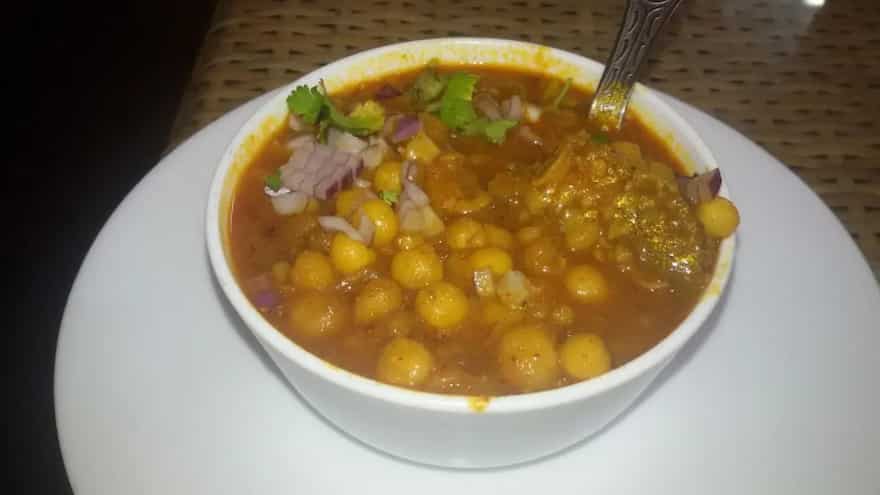
Image credit: Wikimedia Commons
Ingredients (Serves 3)
- 200 g dried white peas
- 200 g minced mutton
- 2 tbsp mustard oil
- 1 large onion, chopped
- 1 tomato, chopped
- 1 tsp each ginger and garlic paste
- ½ tsp turmeric powder
- 1 tsp cumin powder
- ½ tsp chilli powder
- ½ tsp garam masala
- Salt and green chillies, to taste
Method
Cook your soaked peas until they are ready and tender. Now, heat mustard oil and fry your onion until golden. Then add the ginger and garlic pastes, then the minced mutton. Keep cooking and breaking up the meat with a spoon until it loses its raw colour. After that, you can add tomato, turmeric, cumin, chilli powder, and salt. Cook until the masala thickens and the meat is nearly done. Now pour in the cooked peas and some reserved liquid. Cover and simmer until the mutton is fully cooked and tender. Finish with garam masala and green chillies.
Also read: Relish Odia Ghuguni, As The Locals Do
Odia Ghuguni: The Neighbouring Preparation
Although the focus here is Bengal, no discussion of eastern India's pea-based street food is complete without mentioning Odisha's ghuguni, also spelled guguni. It is commonly served with mudhi (muri), bara, puri, and other snacks. White peas and potatoes feature in many versions, but the seasoning and finishing touches vary by household. Some preparations also omit onion and garlic.
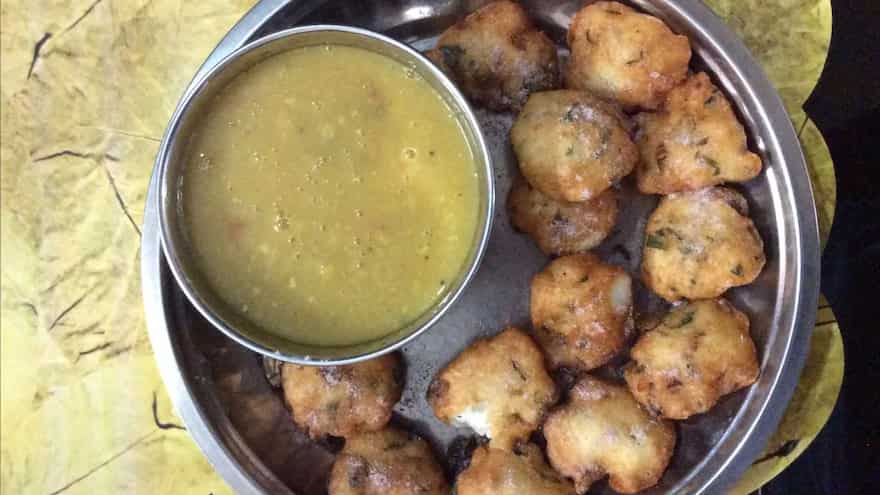
Image credit: Wikimedia Commons
Ingredients (Serves 3 to 4)
- 200 g dried white peas
- 1 medium potato, cubed
- 2 tbsp mustard oil
- 1 onion, chopped
- 1 tsp ginger paste
- 1 tomato, chopped
- ½ tsp cumin seeds
- ½ tsp turmeric powder
- 1 tsp cumin powder
- ½ tsp coriander powder
- Salt and chilli powder, to taste
- Chopped coriander, to serve
Method
Cook the soaked peas until they attain the right texture and tenderness. Now heat the mustard oil and add in cumin seeds. Then fry your onion until they turn lightly golden. Pour in ginger, tomato, turmeric, cumin powder, coriander powder, and salt. Cook until the masala is fragrant and glides off the cooking spoon. After that, add the potato, cooked peas, and sufficient water to make a thick gravy. Simmer until your potato is cooked through, and the flavours come together. Garnish with coriander and serve with puri, bara, or mudhi.




