


 Share
Share

Trying a new baking recipe often leads to a kitchen counter covered in flour and a massive cake that takes days to finish. Taking on a full sized baking project can easily overwhelm someone who is just learning how to measure ingredients and understand oven temperatures. Small batch baking offers a much more approachable way to build confidence in the kitchen. Making just four muffins or a single layer cake means you can experiment with different flavours and techniques frequently. A large built in oven takes a long time to heat up for such tiny quantities and wastes a lot of energy. Using the Usha OTG makes much more sense because it reaches the target temperature quickly and circulates dry heat efficiently around small baking tins. Pairing this oven with a lightweight hand appliance gives you total control over small volumes of batter that would simply get lost in the bowl of a large stand mixer.
Proper Pan Placement In An OTG
Understanding exactly where to place your tins inside the oven is crucial when baking in small quantities. A compact oven heats up very fast and the internal heating elements sit quite close to your food. Placing a tiny loaf tin directly on the bottom rack will almost certainly burn the base before the centre cooks through. You must always place your baking tray on the middle rack to ensure the hot air circulates evenly around the entire tin. Small batch recipes often require a slightly lower baking temperature because the reduced volume of batter cooks much faster than a standard recipe. Keeping a close eye on the baking process through the glass door helps you learn how different batters behave under direct heat.

Image credit: Pexels
If you don’t have Usha’s OTG, Shop Now 
Managing Small Volumes Of Cake Batter
Mixing a cake batter designed for a six inch tin requires a gentle approach. Standard recipes tell you to beat the flour in vigorously but doing this with a small batch will quickly develop too much gluten. This results in a dense and rubbery sponge. You should always fold your dry ingredients into the wet mixture using a silicone spatula rather than an electric tool at this final stage. The goal is to stop mixing the very second the last streak of flour disappears into the batter. Small tins also need less greasing so a light brush of melted butter and a small circle of parchment paper is enough to prevent sticking.
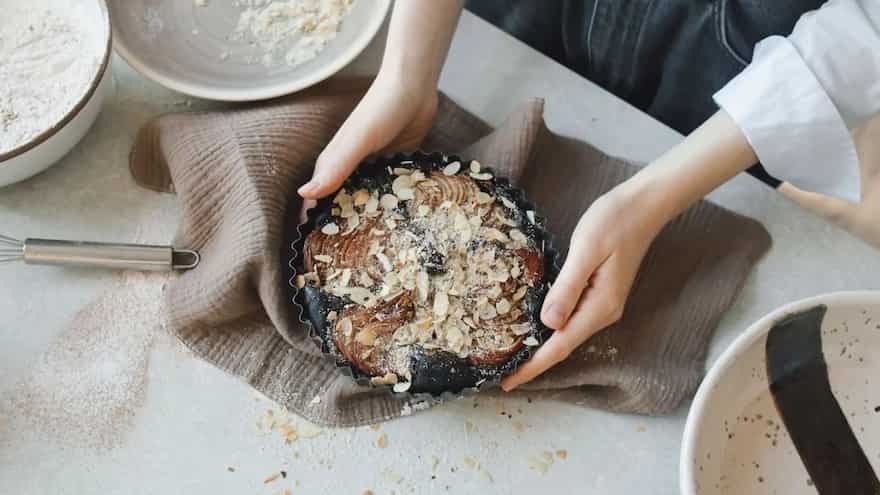
Image credit: Pexels
Whipping Minor Quantities Of Cream
Many novice bakers struggle to whip small amounts of heavy cream or egg whites because they use bowls that are much too large. When you put a single egg white into a wide glass bowl, the beaters simply push the liquid around the edges without actually incorporating any air. You must use a tall and narrow mixing jug when working with reduced quantities. This forces the liquid to pool at the bottom where the beaters can catch it properly. Chilling both the narrow jug and the cream beforehand helps the fat solidify faster and creates stable peaks in just a couple of minutes.
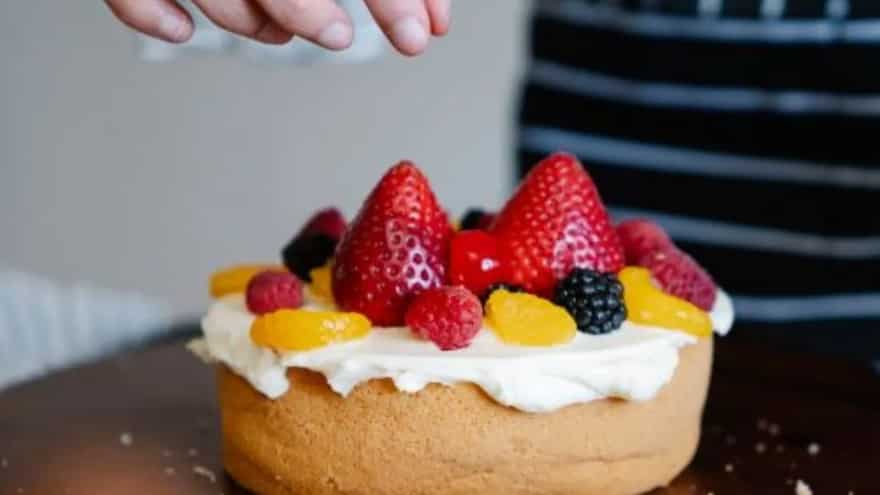
Image credit: Pexels
Creaming Butter For Small Cookie Batches
Making a half dozen cookies requires creaming a very small knob of softened butter with a few spoonfuls of sugar. Doing this by hand with a wooden spoon takes immense physical effort and often leaves sugar crystals intact. Grabbing your Usha hand mixer makes this crucial step incredibly easy even with tiny amounts of ingredients. The variable speed settings allow you to start very slowly so the dry sugar does not fly out of the bowl. You can then increase the speed to beat air into the butter until it turns pale and creamy. This aerated base is exactly what gives small batch cookies a beautifully light and crisp texture in the oven.
If you don’t have Usha’s Hand Mixer, Shop Now 
Adjusting Bake Times For Mini Fruit Loaves
Baking a small banana bread or lemon loaf requires careful attention to the clock. A recipe scaled down by half will not take half the time to bake. The surface area changes completely when you use a smaller tin. You should start checking a mini loaf for doneness at about the halfway mark of the original recipe time. Insert a wooden skewer directly into the centre of the loaf. If it comes out clean with just a few moist crumbs attached, the cake is ready. Leaving it in the oven for even five extra minutes can dry out a small loaf completely.




