Share
Share

In Assam, rice is the most important staple of every meal. And while each of Assam's several ethnic clans has its own customs and rituals, they all are fond of it. Blessed with fertile soil and a generous monsoon, it is home to a diverse array of rice varieties. The people of Assam, with their age-old technique and deep-rooted knowledge, perfected the art of rice cultivation over centuries, nurturing this humble grain into a symbol of identity and a lifeline for their economy. The everyday Assamese meal has a profuse use of rice and a lot of green leafy vegetables. Rice of different kinds is used to make dishes from pithe and steamed delicacies to beer. This state is famed for a few of its indigenous rice variants. These are not found anywhere else in the world. The aromatic Joha rice, Bora, Red Bao, and Chokuwa are the most well-known types, which have been farmed here for decades.
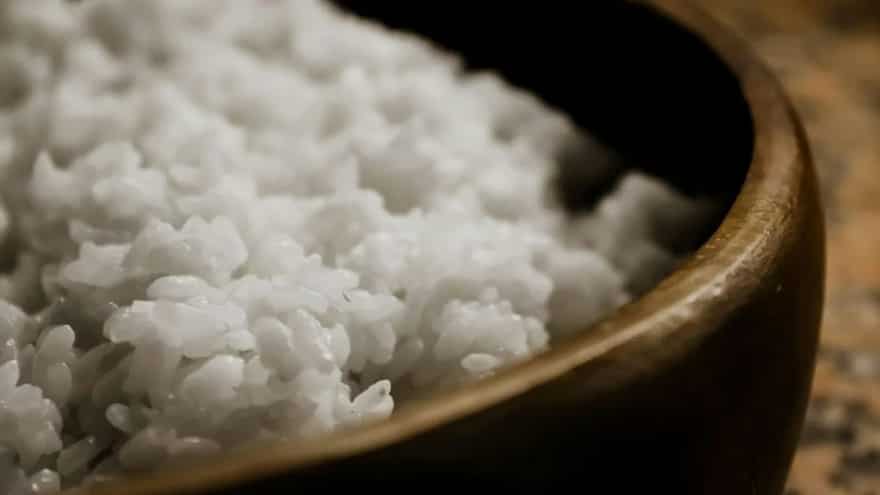
Image Credit: Pexels
One would be amazed to know that the farmers rely primarily on information passed down through generations while selecting a place for production, implementing procedures, protecting against pests, and preparing various products from Chokuwa rice. Komal Saul is made from this rice after it has been boiled, dried in the sun for a day, and de-husked. Let's focus on Chokuwa and why it caught attention. This rice got the Geographical Indication (GI) tag for its low amylose content and how unique this traditional variety of 'soak and eat' rice is to Assam.
From History To Hearth: A Chokuwa Rice Story
Food that cooks on its own? It’s truly a miracle! The rice has many different names. If you’re calling it Komal Saul, it is because the name literally translates to ‘rice that is soft’ and has already earned the tag of ‘magic’ rice since it doesn’t need conventional style of cooking. Made by mixing two types of rice, Chokuwa and Bora Saul, this is a variety of sticky rice grown widely in Majuli, Assam. Komal Saul is manually processed and transformed into 'instant rice' by soaking the harvested rice overnight, boiling and finally sun-drying.
Also Read: The Magh Bihu Flavours From Assam
Chokuwa rice types are classified as winter or sali rice (June – July to October – November season). Tinsukia, Dhemaji, Dibrugarh, Lakhimpur, Sivasagar, Jorhat, Golaghat, Nagaon, Morigaon, and Sonitpur districts grow these photosensitive and long-lasting crops. The mountainous terrain and subtropical climates of a warm, humid summer and chilly, dry winter favour the cultivation of Chokuwa. Likewise, the acidic soil rich in phosphorus, potassium, organic matter, and nitrogen, and continuous rainfall from June to September are some of the agro-ecological characteristics of Assam that facilitate Chokuwa rice development.
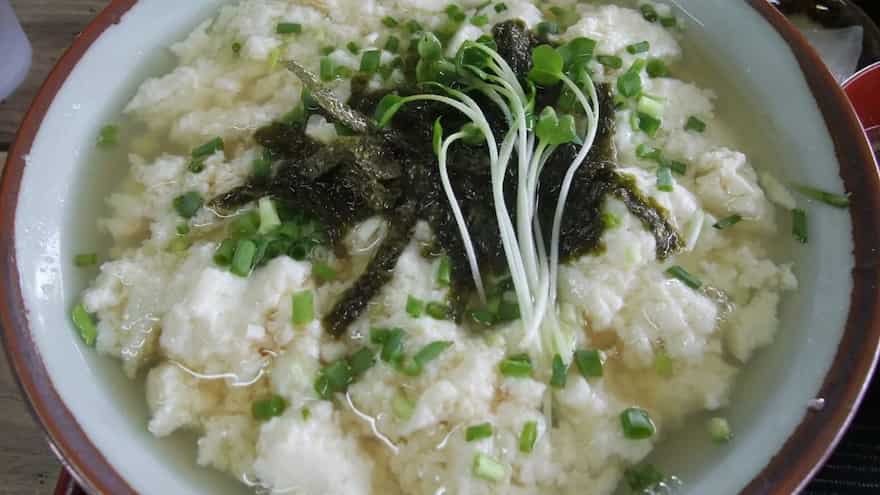
Image Credit: Wikimedia Commons
The rice is consumed during the Bihu feast and indeed used as prashad in the temples and hence, it holds a lot of importance. Because of its high energy level and ease of preparation, it was also a favourite food of soldiers and travellers in the past. With certain families and towns specialising in its production, the cultivation and processing methods have been handed down through the decades. When there were no cooking facilities accessible during catastrophes or natural disasters, this type of rice was also extremely important.
Popularity & Uses Of Chokuwa Rice In Assam
Rural Assam consumes a lot of Chokuwa rice, and various native dishes are created for social and religious rites, feasts, and festivals. It is widely in use to prepare quick meals. This parboiled rice has roughly 12 - 17 per cent amylose, whereas other types include about 20 - 27 per cent. It is also used to make tasty rice powder and flakes, which are prevalent among locals. It has properties letting one just soak and eat. It can be kept for an extended period. It's typically served with sugar or jaggery, milk or curds, salt or pickles.
This type of rice, fittingly dubbed "magical rice," has enormous local and worldwide market potential and may be skilfully promoted as a convenience food. Or it can also be used for the Indian soldiers stationed at high altitudes or extreme climates with limited access to the mainland.
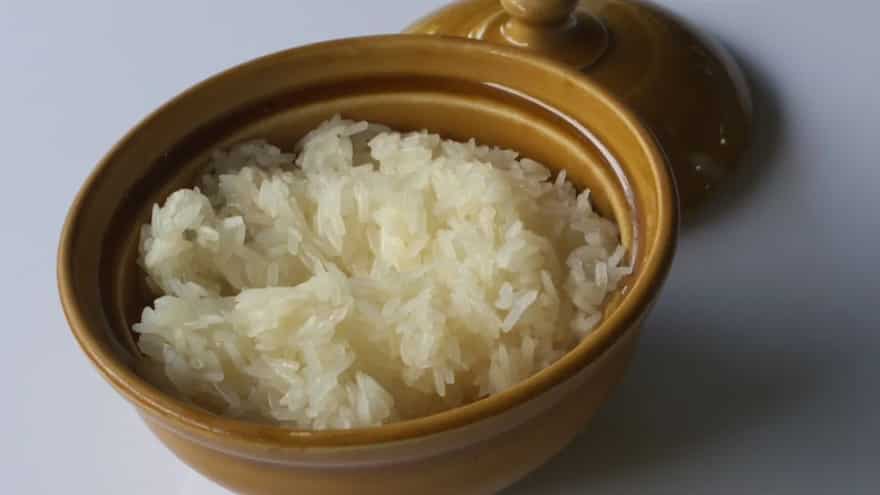
Image Credit: Wikimedia Commons
Waxy rice refers to glutinous varieties categorised as Bora and Chokuwa based on their amylose concentration. Grains with high and moderate amylose content are devoured as staple foods in this region. On the contrary, low amylose Chokuwa rice variants are picked to prepare niche products such as Komal Chaul or soft rice. It is a whole grain, a ready-to-eat product that requires no cooking and can be consumed after soaking the rice in the cold to lukewarm water. The rice with low amylose content is a unique traditional variety of 'soak and eat' rice grown exclusively in Assam and consumed by the troops of the powerful Ahom dynasty.
Its texture is great for soaking up flavours of gravies and curries, making every meal better. In terms of nutrition, Kumol Saul has less fibre than certain other types of rice but more carbs. Because of its ease of digestion, it is a preferred choice for people seeking comfort food or recovering from illness. This rice is also preferable for diabetic patients because its glycaemic index is lower than that of white rice.
3 Easy Dishes You Can Make With Chokuwa Rice
As the main ingredient and focal point of every meal, rice is the foundation of Assamese cooking. Assam has a variety of rice varieties, including fragrant options like Joha and Aijong rice, fluffy boiling rice, and a wide range of traditional preparation techniques eaten with Khar. In Assṣamese cuisine, rice can take many different forms and is used in a wide variety of recipes. With Chokuwa rice, there are a few interesting dishes you can make and here the 3 easiest ones:
Traditional Assamese Jolpan
Chokuwa Rice and milk are among the ingredients that are intrinsic to this meal. Traditionally, the breakfast for Assamese people comprises a less-cooked meal, unlike most morning meals across India. While some people make rice cakes from it by soaking and grinding it, there are others who like to boil and pair it with curd and jaggery.
Pitha
For the unversed, a pitha comes in a variety of shapes and forms. From dumplings to fritters and pancakes, you’ll find fried, steamed and roasted versions of the same stuffed pitha. As for the filling, it’s usually grated coconut or roasted sesame seeds mixed with sugar or jaggery. These traditional Assamese food items are a huge part of Bihu celebrations and other events.
Chokuwa Rice & Khar
Raw papaya, pulses, and water filtered through the ashes of sun-dried vegetable peels are the ingredients of this alkaline meal. It has a distinct and appealing flavour and is usually eaten with rice. The peels are divided in batches and dried in the sun. Then they are kept in cool, airtight containers. Whenever the need arises, these dried peels are burnt and khar is extracted by filtering water overnight through the ashes of the dried peel. As the water filters through it, the peel becomes dark brown and acquires a pungent aroma.