


 Share
Share

Across India’s fine dining kitchens, a new curiosity is shaping the way ingredients are chosen and celebrated. Chefs are beginning to trace their menus back to the wild; towards edible plants that thrive naturally in forests, along riverbanks, and in the folds of mountain valleys. Foraging, a practice deeply rooted in India’s rural and tribal food systems, is finding relevance once again as the country’s culinary industry becomes more aware of sustainability, biodiversity, and provenance.
This renewed interest is not about novelty. It reflects a deeper search for ingredients that carry identity, seasonality, and connection to place. Foraged foods reveal the vastness of India’s ecological variety, showing how plants that grow without human intervention can offer flavours that are pure, distinctive, and culturally significant. These ingredients once existed outside the scope of commercial agriculture, yet they represent the foundation of countless local cuisines. As they reappear on refined menus, they signal a shift in the way India defines luxury and authenticity in food; moving closer to its soil, its forests, and its forgotten knowledge.
1. Shevla: The Monsoon’s Hidden Gem
One of the most striking examples of this revival is shevla, also known as dragon-stalk yam (Amorphophallus commutatus). This wild plant emerges in the first rains across Maharashtra’s forested belts around Palghar, Thane, and Raigad. The stalk is mildly toxic when raw but becomes edible once cooked in specific ways long known to tribal communities. In villages, shevla has been used to make aamti or spicy gravies for generations.
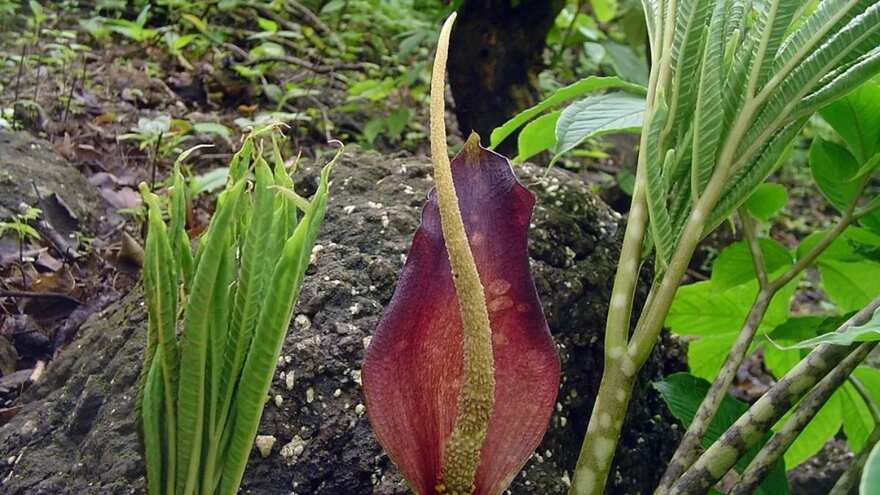
Image credit: OOO Farms
Chef Thomas Zacharias first encountered shevla at a local market, guided by foragers who knew how to clean and cook it safely. He later showcased it through The Locavore’s collaborations, introducing it to restaurants in Mumbai. The ingredient has also been featured in events organised by OOO Farms, where chefs and tribal foragers work together to promote sustainable harvesting. Today, what was once a seasonal forest plant is gaining space on urban menus as a symbol of mindful cooking and regional awareness.
2. Kachnar Buds: Flowers Of The Hills
The kachnar tree, known for its purple blossoms, grows widely across the northern hill states of Himachal and Uttarakhand. Its unopened buds, slightly tart and earthy, have long been used in local cuisines for chutneys, stir-fries, and curries. Foragers collect these tender buds during the early spring, a time when the landscape begins to bloom again.
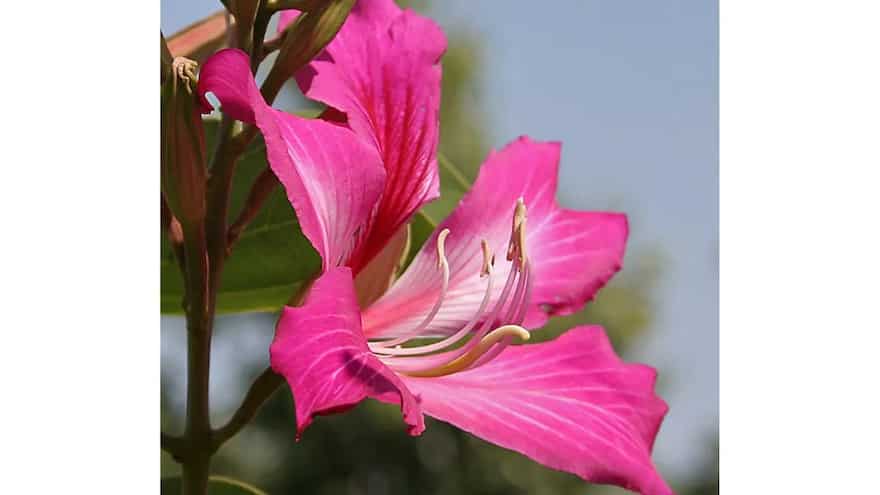
Image credit: Wikimedia Commons
In fine dining, kachnar buds are now being rediscovered as a seasonal delicacy. Several chefs experimenting with wild Indian ingredients have begun to incorporate them into modern dishes, using their natural acidity to balance rich gravies or add freshness to vegetarian courses. Their inclusion reflects a growing respect for ingredients that were once confined to rural kitchens but carry deep ties to India’s botanical heritage.
3. Gucchi: The Coveted Wild Morel
Among all foraged foods in India, gucchi, or the wild morel mushroom, remains the most prized. Found in the damp, high-altitude forests of Himachal Pradesh and Jammu and Kashmir, gucchi has a honeycombed surface and an earthy, nutty aroma that sets it apart from farmed mushrooms. Its rarity has made it a luxury ingredient, often priced higher than saffron by weight.
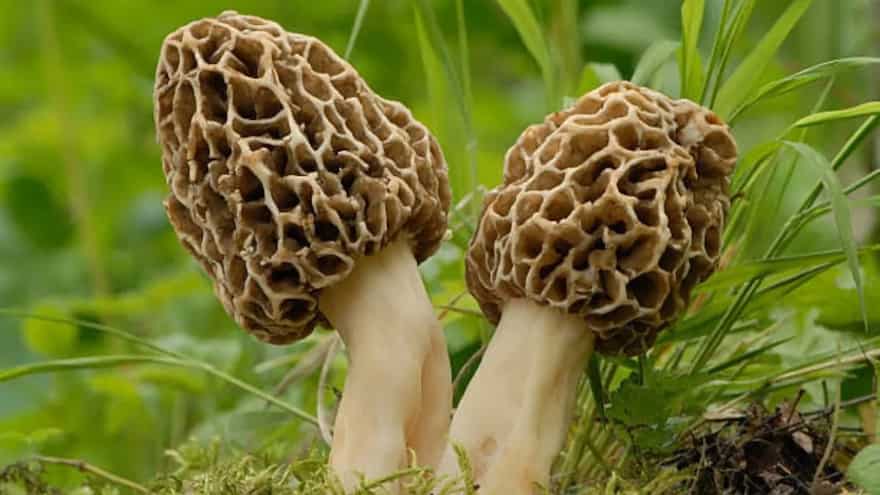
Image credit: Wikimedia Commons
Chefs such as Auroni Mookerjee have spoken of gucchi as part of their culinary memories from the Himalayas. In fine dining, gucchi often features in risottos, rich sauces, or slow-cooked broths that showcase its natural umami. The ingredient connects contemporary cuisine with the mountains’ foraging traditions, where villagers still gather morels after snowmelt each year.
4. Lingra: The Himalayan Fern Shoot
In the foothills of Himachal and Uttarakhand, the young coiled shoots of ferns, called lingra or fiddlehead ferns, appear briefly during spring. Locals harvest them by hand, often cooking them with mild spices or yoghurt. Their crisp texture and grassy flavour make them ideal for light, seasonal dishes.
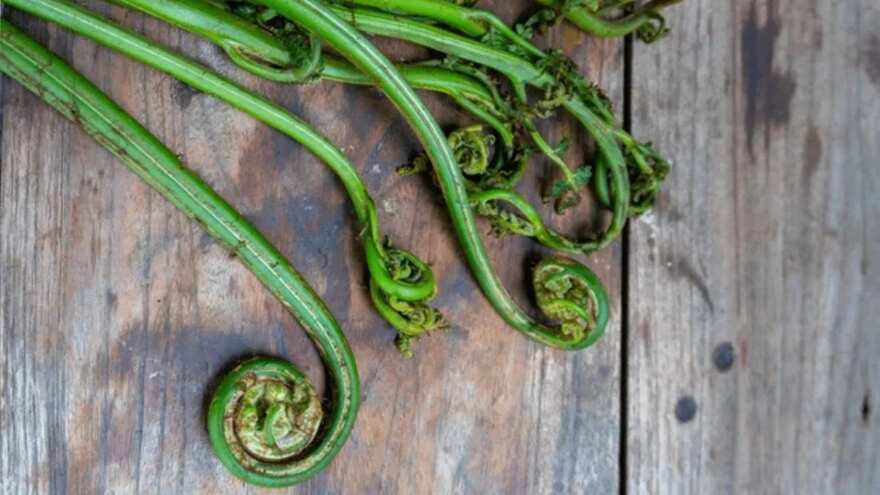
Image credit: Wikimedia Commons
Chefs have begun using lingra as a delicate green element in contemporary Indian cuisine. It pairs naturally with mountain herbs, lentils, and yoghurt-based sauces. Restaurants with a focus on Himalayan produce, such as Noon by Vanika Choudhary, often explore these wild greens to reconnect with the landscapes where they originate. Each serving tells the story of short-lived seasons and the people who depend on them.
5. Mahua Flowers: Sweetness From The Forest Floor
In central India, the mahua tree (Madhuca longifolia) has long held cultural importance for Adivasi communities in Chhattisgarh, Odisha, and Jharkhand. The tree’s fallen flowers are gathered each spring and used to make sweets, fermented drinks, and syrups. Mahua carries a caramel-like sweetness with floral undertones, often used in traditional desserts or dried and stored for later.
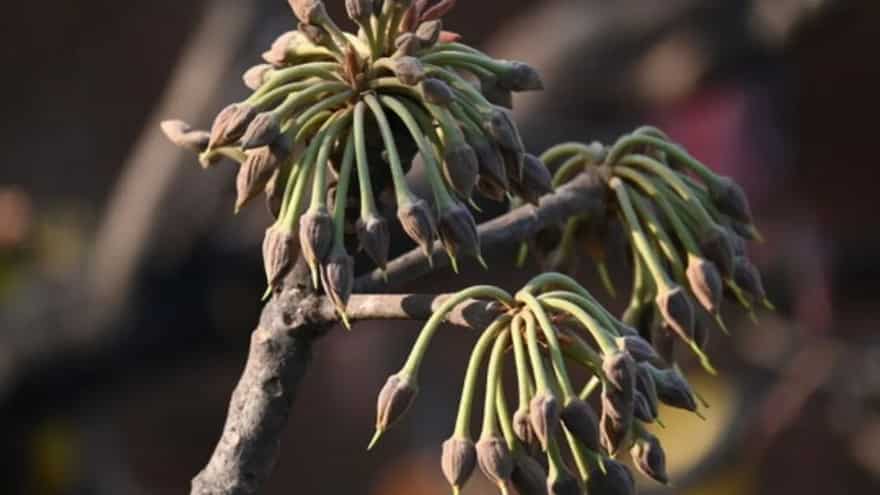
Image credit: Wikimedia Commons
Today, chefs are exploring mahua beyond its traditional role. It has appeared in modern Indian desserts, infusions, and sauces at progressive restaurants such as Masque in Mumbai, which focuses on ingredient-led menus rooted in Indian produce. By featuring mahua, chefs are reintroducing an ingredient that has always belonged to India’s forests but rarely appeared in fine dining before.
6. Himalayan Black Truffles: A Rare Forest Treasure
In the higher altitudes of Uttarakhand and Himachal Pradesh, another hidden gem is beginning to draw attention: Himalayan black truffles. These wild fungi grow underground near oak and pine roots in shaded, moist forest soil. Smaller and more rugged than the European Périgord truffle, they carry a powerful aroma of earth, wood, and moss, shaped by the Himalayan climate.
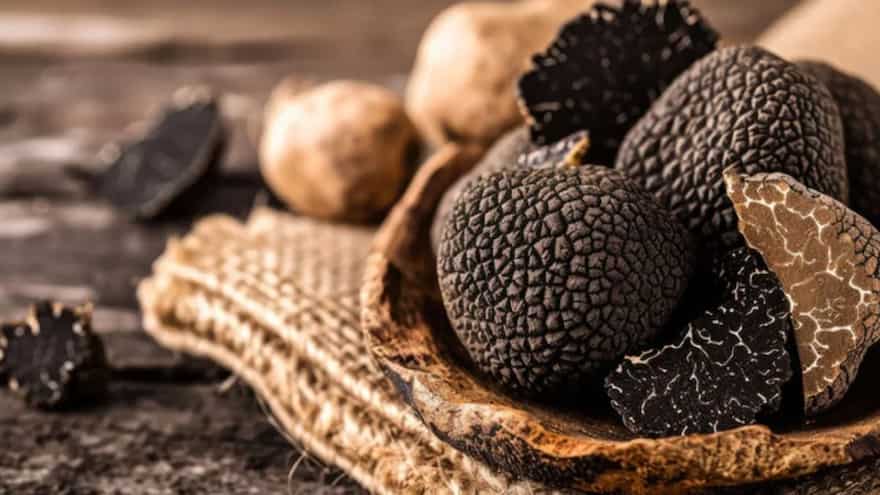
Image credit: Adobe Stock
For years, locals gathered these truffles quietly, unaware of their international value. As awareness of foraged foods has grown, a small network of suppliers and chefs has begun to source them responsibly. In Mumbai and Delhi, restaurants such as Ishaara and Across have incorporated truffle-based dishes that highlight their unique depth of flavour. Meanwhile, boutique suppliers like The Truffle Co and The Gourmet Box now offer Indian black truffles alongside imported varieties, marking an early but significant recognition of the country’s own truffle-bearing regions.
Incorporating foraged ingredients into fine dining also demands a more responsible approach to sourcing, one that respects both environment and tradition. As urban restaurants form relationships with forest communities and foragers, a quiet but transformative ecosystem is emerging; where culinary ambition aligns with conservation and livelihood.




