


 Share
Share

Truffles have long been associated with French and Italian fine dining. They are prized because of their scarcity and intense aroma. For a long time, they were not thought of as a part of Indian food culture. That perception is changing slowly as researchers and chefs are paying attention to the forests of the Himalayas, the Western Ghats, and parts of central India. These areas show conditions suitable for truffle growth, especially during the monsoon when the soil is damp and fungal activity is at its peak. Truffle hunting in India is still limited and remains largely undocumented outside scientific studies and specialist food circles, but it offers an exciting glimpse into how an ingredient once considered entirely foreign could find its place in regional Indian cuisine.
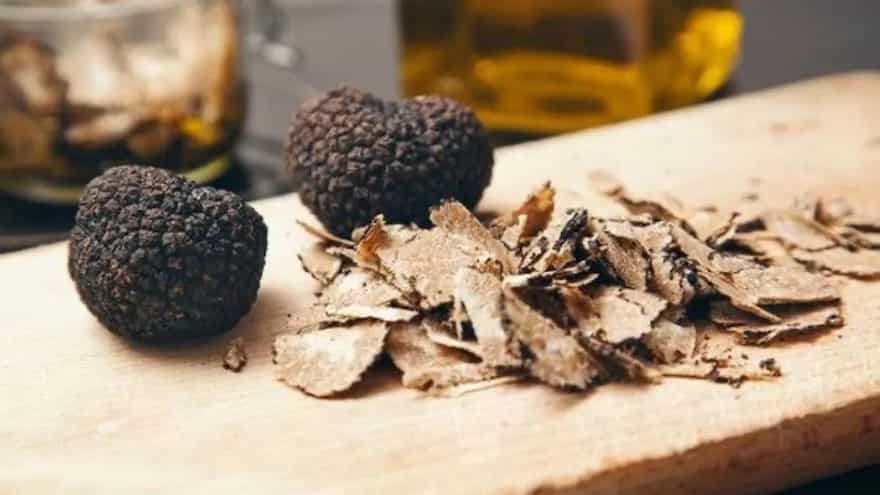
Truffles And Their Global Importance
Truffles are a type of mycorrhizal fungus. They grow in association with the roots of trees like oak, hazelnut, and beech. The fungi cannot survive without their host trees, and the trees benefit from the fungi through improved nutrient absorption. Truffles are located underground and can be identified through their scent, which trained dogs or pigs are traditionally used to detect in Europe. The rarity of truffles is due to their dependency on precise soil conditions, specific host trees, and seasonal moisture levels. Globally, black truffles from France and Italy, as well as white truffles from Alba in northern Italy, have the highest market demand. They command extremely high prices due to the difficulty of locating them and the short harvest season.
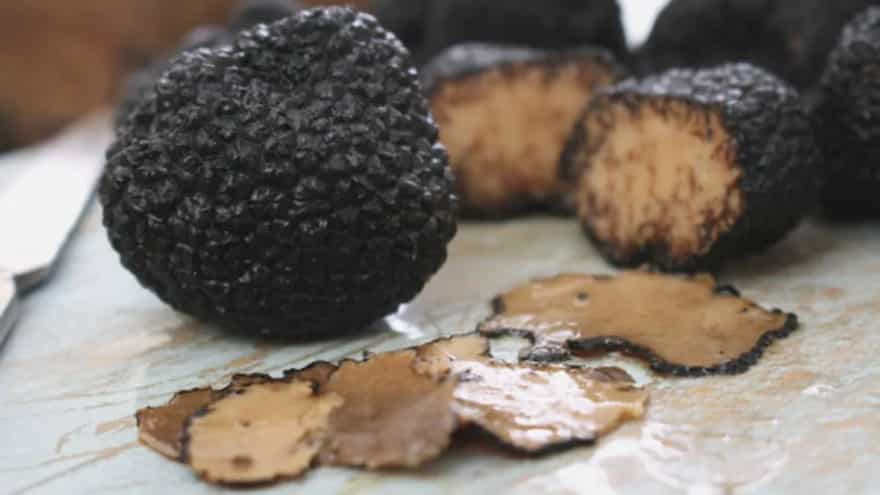
Truffles In The Indian Context
In India, studies have confirmed the presence of truffles in several states. Reports from Himachal Pradesh and Jammu and Kashmir indicate truffle growth in coniferous and broadleaf forests. The Western Ghats also provide favourable conditions because of their biodiversity and dense tree cover. Species identified in India include Tuber himalayense, Tuber indicum, and Tuber aestivum. These are related to European black truffles but differ slightly in aroma and texture. Unlike in Europe, the use of trained animals for hunting is not common in India. Local foragers and researchers often identify truffles based on soil disturbance and their experience with fungal growth during the monsoon season. Because these fungi develop underground, the dampness and loosened soil of the rainy season makes them easier to locate.
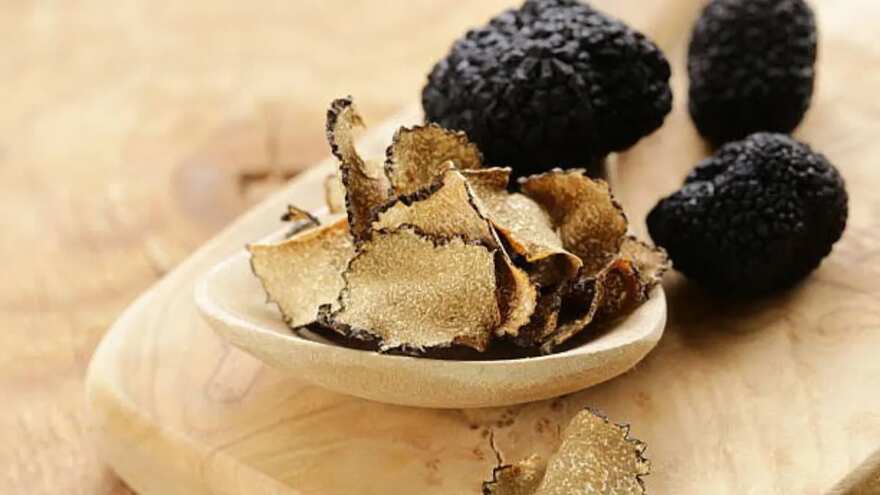
Monsoon Hunting Practices In India
The monsoon is crucial for truffle hunting because it provides the right level of soil moisture and triggers fungal fruiting. In areas of Himachal Pradesh, researchers and local communities walk through forest patches after consistent rainfall to check for truffle growth. The practice is still largely unorganised, unlike the commercial truffle hunts of France or Italy. Foraging is guided by traditional knowledge and ecological understanding rather than formal training. Truffles are usually harvested by hand after gently removing the topsoil. The process needs care because damaging the underground fungal network reduces the chance of regrowth. Foragers often describe the hunt as unpredictable, with yields varying significantly each year depending on rainfall patterns and forest health.
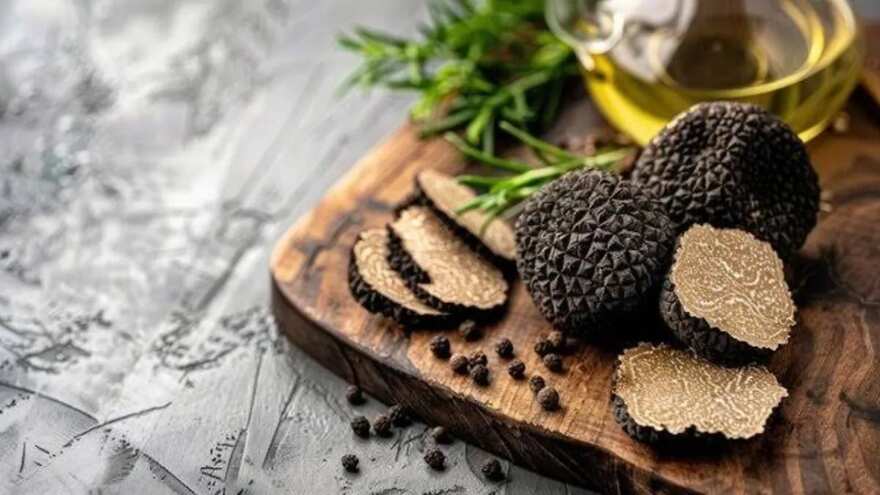
Truffles Entering Indian Cuisine
The introduction of truffles into Indian cuisine is recent and mainly limited to high-end restaurants in metropolitan cities. Indian chefs are now bringing truffles into fine dining. At Tresind in Mumbai, Chef Sarfaraz Ahmed introduced truffles in a Scallop Wellington to elevate traditional presentations. JW Marriott Mumbai’s Romano’s created a truffle-themed menu under Chef Alessandro Piso. In Bengaluru, Shangri‑La offered Pollo al Piemontese with black truffle sauce alongside herb polenta. These dishes highlight how chefs adapt truffles to both global and local palates. The appeal lies in combining a globally admired ingredient with familiar flavours. Truffle oil, which is a flavoured product often made with synthetic compounds in international markets, is also gaining popularity in India, though it does not carry the same complexity as real truffles. While truffle-based dishes are still considered luxury dining, they are slowly sparking interest among Indian food enthusiasts. As more awareness spreads about indigenous truffle species, there is potential for a uniquely Indian way of cooking with them, grounded in regional traditions.
Himalayan Black Truffles In Indian Home Cooking
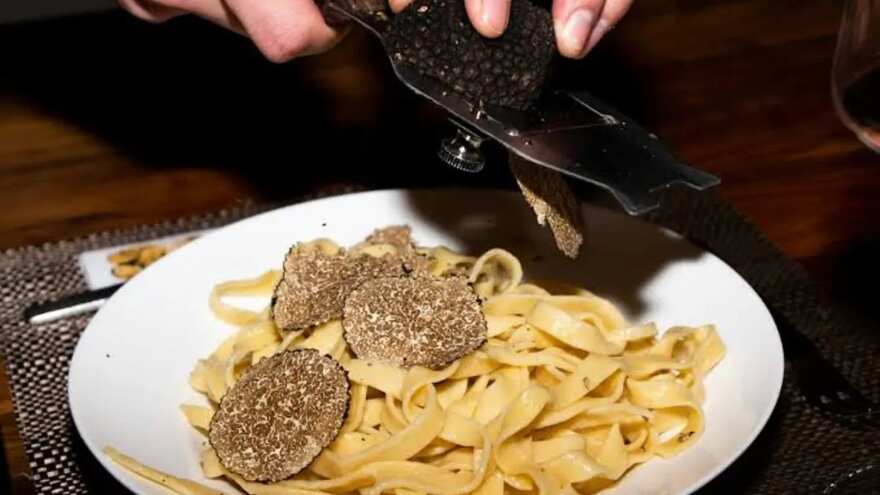
Himalayan black truffles, identified in Himachal Pradesh and Jammu and Kashmir, share similarities with European black truffles but have a slightly different aroma profile. Their scent is earthy and deep, making them well suited to rich dishes. In home cooking, they can be shaved sparingly over hot rice, khichdi, or pulao to bring out their flavour. They also work well with ghee-based preparations such as dal tadka or jeera rice, where the warmth of the dish helps release the truffle’s aroma. For more experimental kitchens, they can be used in stuffed parathas, simple scrambled eggs, or even as a garnish on buttered rotis. Because truffles are very strong, only a small amount is required, and they should always be added at the end of cooking rather than exposed to prolonged heat, which can diminish their character.




