


 Share
Share

Thanksgiving began as a North American harvest festival, centred on gratitude, seasonal produce and the comfort of gathering around a large meal. Over time it has found a place in many Indian metropolitan homes, sometimes through family who have lived abroad, sometimes through a simple appreciation of a long, generous feast. In Parsi households in particular, the structure of Thanksgiving aligns strikingly well with what the community already celebrates through food. The Parsi table has always welcomed abundance: fruit cooked into savoury gravies, slow-roasted or long-simmered meats, gentle heat from spices, fresh acidity, rich puddings, soft cakes and a natural mix of sweet and savoury. These flavours sit comfortably next to the ideas behind Thanksgiving, creating a table that feels festive without needing reinvention. The dishes below form a complete Parsi-leaning Thanksgiving menu, making them accessible to any home cook while retaining the character of Parsi culinary tradition.

Image credit: Adobe Stock
Cranberry Pulao
A sweet-savoury rice dish fits beautifully into both Parsi meals and Thanksgiving tables, and cranberries mirror the fruity notes seen in Parsi festive cooking, much like the use of apricots, plums and dried fruits in celebratory pulaos. To make this pulao, rinse 1½ cups basmati rice and soak it for 20 minutes. Heat 2 tablespoons ghee in a wide pan, add 1 bay leaf, 4 cloves, 4 peppercorns, 1 small cinnamon stick, and 2 lightly crushed cardamom pods, and sauté for a few seconds until aromatic. Add 1 thinly sliced onion and cook until soft and lightly golden. Stir in ½ cup fresh or frozen cranberries along with 2 tablespoons sugar and let the berries soften gently, releasing their colour. Drain the soaked rice and add it to the pan, stirring lightly to coat each grain in ghee. Pour in 2¾ cups hot water, season with 1–1¼ teaspoons salt, bring to a boil, then cover and cook on low heat for 12–15 minutes until the rice is tender and the berries have cooked down. Rest for 5 minutes, fluff gently, and scatter 2 tablespoons toasted nuts (almonds or cashews) on top. The result is a jewel-toned pulao with the lightly sweet, slightly tart character that pairs beautifully with roast turkey and rich Parsi meat dishes.
White Pumpkin Preserve (Kohra No Murabbo)
Murabba has always been a part of celebratory Parsi meals, and this white pumpkin version mirrors the tradition of placing a sweet preserve on the festive table, something cooked slowly, perfumed with spices and meant to be savoured between rich bites. To make it, combine 1 kilogram peeled and cubed white pumpkin with 500 grams sugar, 1 cup water, 1 cinnamon stick, 2–3 lightly crushed cardamom pods, and a small pinch of salt in a deep pot. Heat gently until the sugar melts and the pumpkin releases moisture. Continue simmering for 20–30 minutes, stirring occasionally, until the cubes turn translucent and tender while the syrup thickens to a honey-like consistency. Remove the cinnamon and cardamom, cool the mixture slightly, and spoon it into a clean jar. The result is a fragrant preserve with soft pieces suspended in syrup, offering a sweet counterpoint to spiced meats and roasted vegetables.
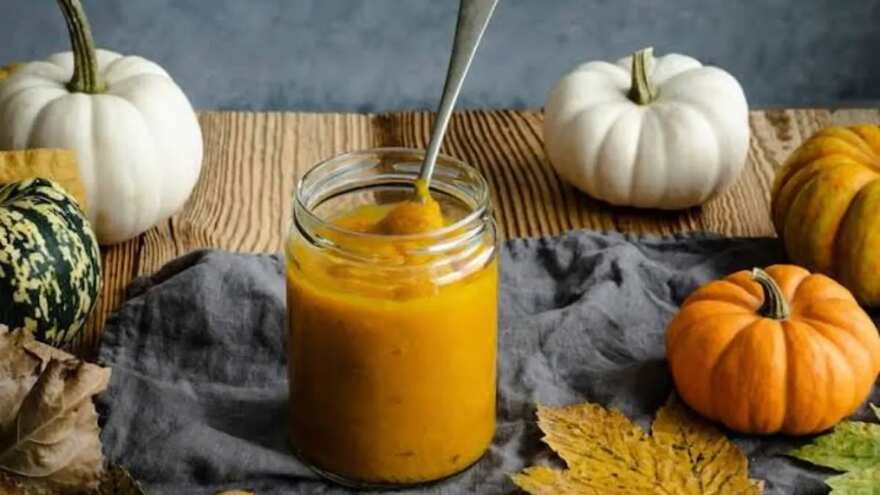
Image credit: Adobe Stock
Butternut Squash Side Dish
This dish speaks to the Parsi fondness for vegetables gently lifted with turmeric, a hint of chilli and a squeeze of acidity, techniques used in everyday bhajis and festive vegetable sides. Begin by tossing 450 grams cubed butternut squash with 1 tablespoon lemon juice, ¼ teaspoon turmeric, ¼ teaspoon red chilli powder, ½ teaspoon salt, and 1–2 tablespoons oil, ensuring each cube is evenly coated. Spread the pieces on a baking tray in a single layer and roast in a 200°C oven for 25–30 minutes, turning halfway, until they soften and develop light caramelised edges. Alternatively, sauté them in a wide pan over medium heat, stirring occasionally, until they turn tender and lightly browned. Serve warm as a mellow, golden side dish that pairs smoothly with both the sweet and savoury elements of the meal.
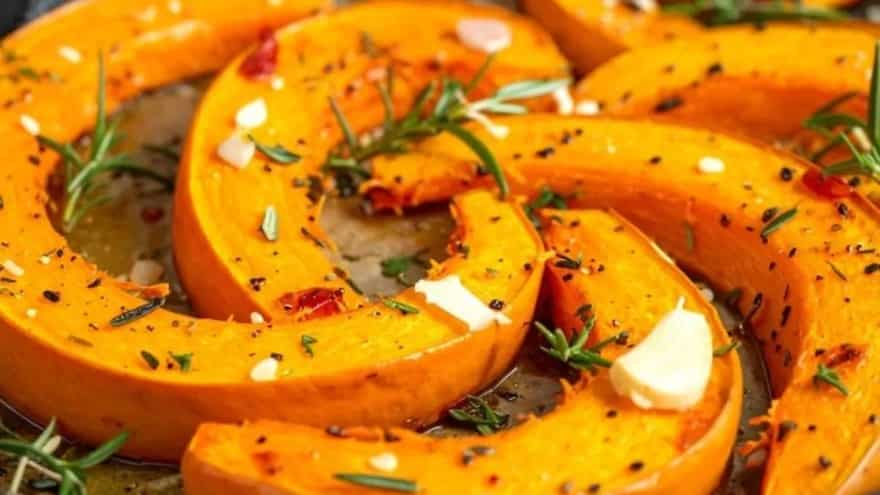
Image credit: Adobe Stock
Turkey Brine
While turkey isn’t traditionally Parsi, the method of seasoning meat deeply, similar to marinating mutton for dhansak or soaking chicken for farcha, mirrors the Parsi focus on tenderness and flavour. For the brine, dissolve 3 cups salt and 1 cup brown sugar in 8 cups water in a large pot, then add 1 chopped apple, a handful of apple peels, 1 teaspoon each of rosemary, thyme, cinnamon and onion powder, and 3 bay leaves. Bring the mixture just to a boil to dissolve everything thoroughly, then cool completely. Submerge a 4–5 kilogram cleaned turkey in the cold brine, adding extra water if necessary to cover the bird. Refrigerate for 24 hours, turning it once or twice. The result is a deeply seasoned, noticeably juicier bird, an approach that aligns naturally with Parsi techniques of preparing meat for festive meals.

Image credit: Adobe Stock
Roast Turkey
A golden roast is the heart of Thanksgiving, and its preparation echoes the Parsi love for slow-cooked celebratory meats, whether it’s mutton roasts, jardaloo salli boti or wedding-style marghi. To cook it, remove the turkey from the brine and pat it dry thoroughly. Place it on a rack in a roasting tray, brush generously with 3–4 tablespoons melted butter, and roast in a 230°C oven for 15 minutes to develop initial colour. Lower the heat to 175°C and continue roasting for 2½–3 hours, or until the thickest part of the thigh reaches 74°C (165°F). If the top browns too quickly, tent loosely with foil, removing it for the final 30–40 minutes to crisp the skin. Rest the turkey for 20–30 minutes before carving. The finished bird is juicy, fragrant and ideal for pairing with Parsi-style sides.
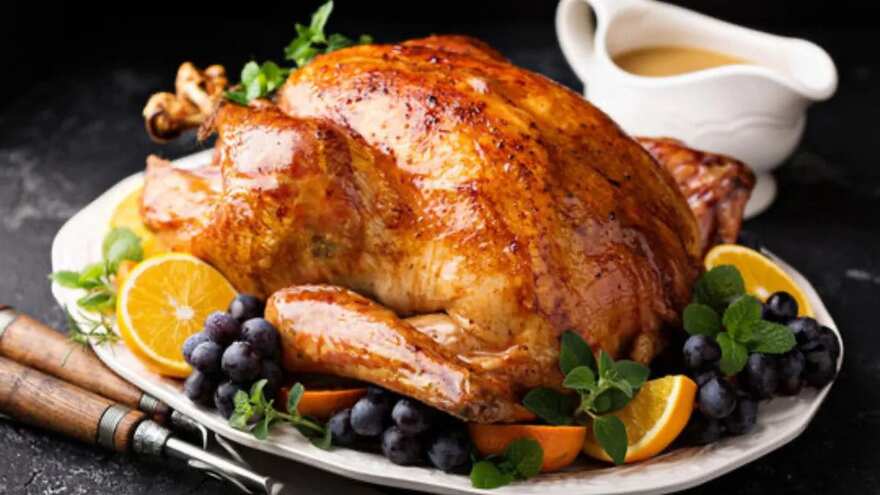
Image credit: Adobe Stock
Apricot Chicken (Jardaloo Ma Marghi)
Fruit in savoury dishes is one of the most defining features of Parsi cooking, and this chicken cooked with apricots mirrors the sweet-savoury theme that defines many Thanksgiving menus. To prepare it, soak 10–12 dried apricots in warm water for 20 minutes. Heat 2 tablespoons oil in a pan, sauté 2 finely chopped onions until golden, then add 1 tablespoon ginger-garlic paste, 1 teaspoon red chilli powder, ½ teaspoon turmeric, and 1 teaspoon cumin–coriander powder. Fry the spices briefly before adding 800 grams chicken pieces, browning them lightly. Pour in ½ cup apricot soaking water along with the softened apricots, season with 1–1½ teaspoons salt, cover and cook for 25–30 minutes until the chicken turns tender and the apricots break down into a glossy, amber-hued gravy. A small squeeze of lemon at the end brightens the dish. It sits beautifully beside roasted vegetables and rich meat dishes.
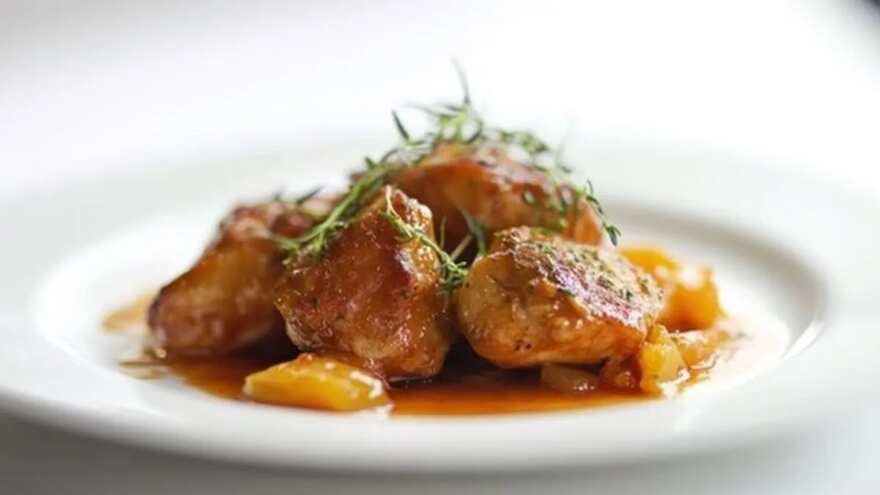
Image credit: Adobe Stock
Mutton In Almond Gravy (Badam Nu Gosht)
The use of nuts in gravies, particularly almonds, has long been associated with Parsi festive cooking, where richness and depth are prized. For this dish, soak ½ cup almonds in hot water for 15 minutes, peel them and grind them into a smooth paste with a splash of water. Heat 3 tablespoons oil in a heavy-bottomed pan, sauté 2 finely sliced onions until deeply golden, then add 1 tablespoon ginger-garlic paste, 1 teaspoon red chilli powder, ½ teaspoon turmeric, 1 teaspoon cumin–coriander powder, and a pinch of garam masala. Add 800 grams mutton, browning the pieces well. Pour in 1½ cups water, stir in the almond paste, season with 1–1½ teaspoons salt, cover and simmer for 45–60 minutes (or pressure-cook) until the meat softens and the gravy thickens into a smooth, creamy base. Garnish with coriander. The result is a rich, indulgent dish worthy of a festive holiday table.
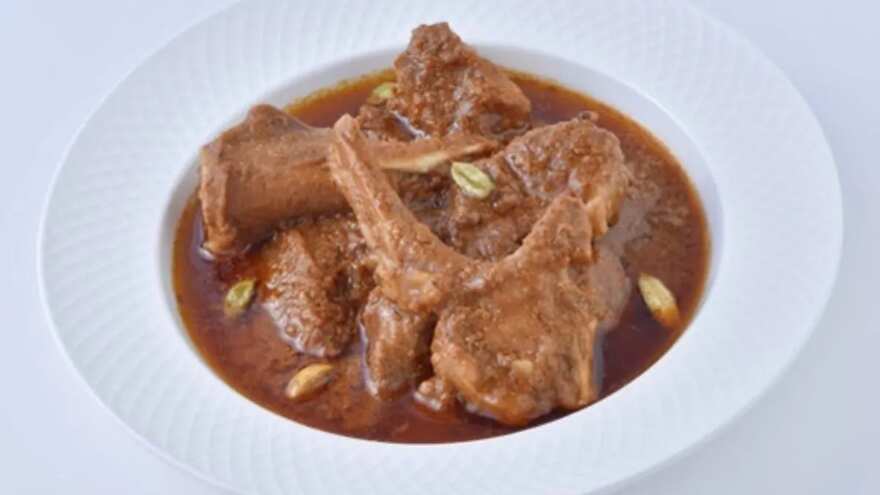
Image credit: Adobe Stock
Mawa Cake
This cake represents the Parsi love for bakery-style sweets, dense yet tender, fragrant with cardamom and enriched with mawa, a touch seen in many Parsi celebratory desserts. To make it, cream ½ cup softened butter with ¾ cup sugar until pale and fluffy, whisk in 2 eggs one at a time, then fold in 200 grams grated mawa (khoya) until evenly incorporated. In a separate bowl, mix 1½ cups all-purpose flour, 1 teaspoon baking powder, ¼ teaspoon cardamom powder, and a pinch of salt. Add the dry mixture to the batter gradually, pouring in ½ cup milk as needed to achieve a thick, smooth batter. Transfer to a greased tin, top with a handful of slivered almonds, and bake at 170°C for 35–40 minutes until golden and cooked through. The cake slices softly and makes an ideal ending to a rich meal.

Image credit: Freepik




