


 Share
Share

Investing in tools that aren't used for more than one purpose can be challenging in most kitchen settings with limited capacity. Consider the milk frother, a contemporary, battery-operated, wand-like device that is well-known for blending iced coffee quickly and producing a frothy crown on cappuccinos. However, it can be used for a variety of different culinary tasks in addition to simply giving caffeinated drinks more texture. The frother is used for preparing pancake mixtures, whipped cream, and any other cuisine that requires some charged mixing.
What becomes really more challenging is that after using the milk frother beyond its capabilities and making drinks and food that have made you a better cook at home, getting it clean is a super difficult task. And just some soap and water isn't helping the case, is it? The milk residue quickly dries up and adheres to the inner walls and whisk, forming a tough, foul-smelling film that is challenging to remove. This accumulation may eventually impair the frother's functionality, resulting in less smooth foam and possibly hygienic problems. Many frothers have tiny parts and microscopic gaps that collect milk. The whole point of possessing a frother is negated when you find yourself cleaning more often than using your coffee maker.
If you’re someone who deals with this more often, here are 5 easy tips that can help you to keep your milk frother clean and increase its shelf life:
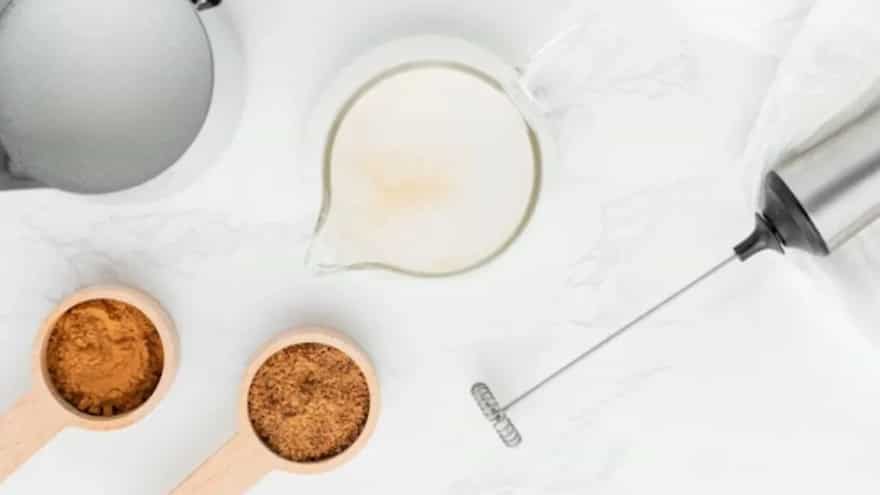
Image Credit: Unsplash
Soak In Warm Water Or Vinegar
In the world of frothing, manual frothers are the most basic and analogue alternative. Usually looking like a French press, they are made out of a mesh-plunger mechanism that produces foam by quickly pumping a heat-safe pitcher. They are perfect for off-grid coffee sets, travel, and minimalist kitchens because they don't require energy or batteries. Remove the mesh layers from the plunger rod by unscrewing or separating them, and use warm soapy water to wash them. Use a bottle brush or sponge to clean the pitcher. Milk can be caught in the mesh, so pay attention to it. Third, soak for stubborn accumulation. Soak the components in a solution of white vinegar and warm water for fifteen minutes if the milk residue solidifies. Rinse and let dry by air. Before putting the mesh back together, make sure it is completely dry to avoid rust or mildew.
Use Baking Soda
The electric milk frother cannot be adequately cleaned by spinning it as you would while making a cup of coffee, which you may think would work in removing the dirt underwater. But it does not. To avoid damaging the coil, you must be careful when cleaning around it. Any milk residue that is stuck to the coil can be removed with a little brush. Make a thick paste with baking soda and a little water. Gently rub it onto the coil using a soft brush or cloth, then rinse well.
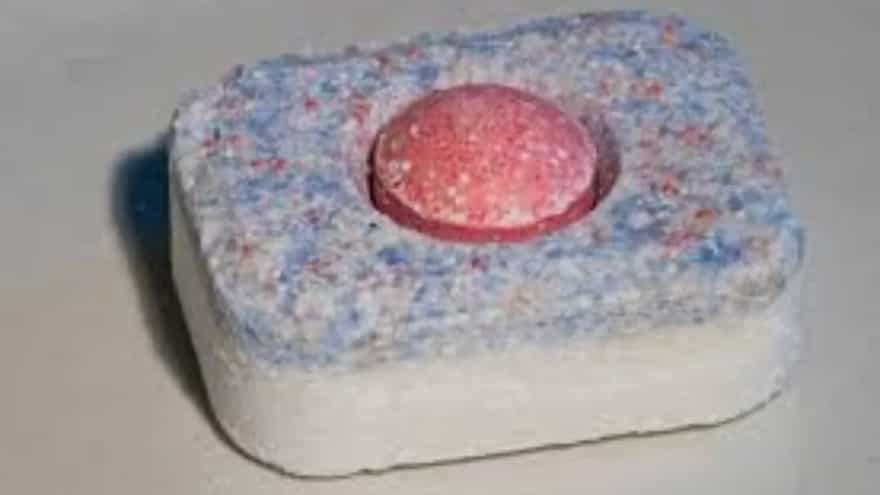
Image Credit: Wikimedia Commons
Use A Coffee Machine Descaler
One of the best ways to thoroughly clean an electric wand milk frother when frequent rinsing is no longer sufficient is to use a coffee machine descaler. The purpose of descalers is to remove mineral deposits, dried milk, and limescale that accumulate on the whisk and shaft over time. To use it, submerge just the whisking end of the frother for 10 to 15 minutes after diluting the descaling liquid or tablet in water according to the directions. This makes it possible to remove tough residue without using abrasive cleaning methods. Periodically using a descaler maintains the frother's cleanliness, enhances its functionality, and guards against mineral buildup's long-term harm.
Try Using Hydrogen Peroxide In Equal Ratio
A hydrogen peroxide soak is a good method to deodorise and sanitise your milk frother if it has started to smell sour or stale. Hydrogen peroxide breaks down organic milk residue that conventional washing can overlook and aids in the destruction of microorganisms that cause odours. This approach involves soaking only the frother's whisking end for five to ten minutes after diluting hydrogen peroxide with water in a 1:1 ratio. Do not submerge the handle or motor. Rinse well under running water after soaking, then let it air dry entirely. Because repeated use will eventually damage metal parts, this method should only be used once in a while.

Image Credit: Pexels
The Salt Swirl
Without harming the coil, salt acts as a natural, food-safe abrasive to remove sticky milk coating. Pour some warm water into a mug, then add a drop of dish soap and a teaspoon of salt. For 15 to 20 seconds, spin the electric frother in this solution. As the soap dissolves lipids, the salt crystals softly clean the whisk. Rinse in plain water and air-dry. This hack is especially good for frothers that feel greasy but don’t yet have heavy limescale buildup. It’s quick, cheap, and uses ingredients you already have in your kitchen.




