


 Share
Share

Baking your bread at home can be fun and calming, more like a stress-buster. But one thing that often confuses beginners is figuring out when the dough is ready to go into the oven. It needs time to rest and rise before it goes into the oven. This helps it turn soft and fluffy after baking. But how do you know it’s ready? Well, it’s not as tricky as it seems. With a few simple checks, you can easily tell when the dough is done proofing. These methods are easy to try at home and do not require any fancy machines or any technical know-how. With this simple guide, look at five ways to check if your dough is good to bake.
Video Credits: Hebbars Kitchen/ YouTube
Use The Finger Test
The finger test is one of the easiest ways to check your dough's readiness. Just gently press your finger into the dough's surface, about half an inch deep. If the dough springs back slowly and leaves a slight dent, it’s ready to bake. If it bounces back too quickly, give it more time. And if it doesn’t bounce back at all or feels loose, it may be over-proofed. That’s okay; you can still bake it, though the texture may be a little dense. This test works well for all types of dough, especially pav or basic white bread. Just make sure your hands are clean and dry.
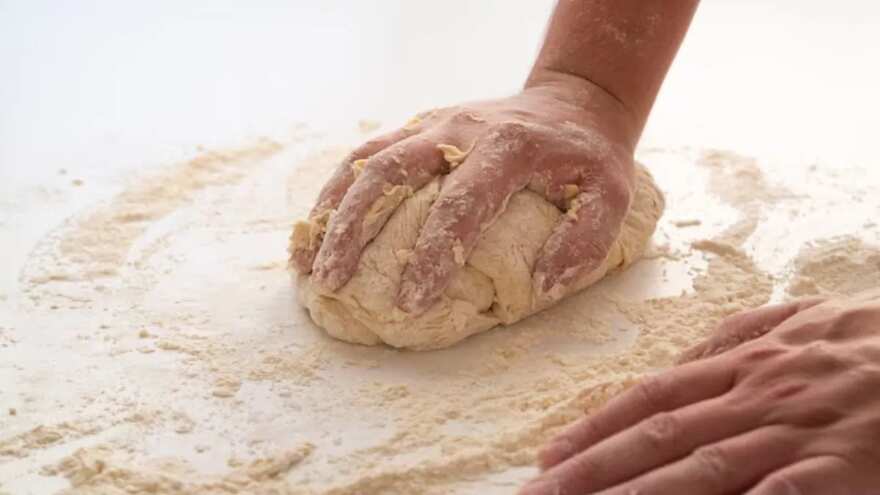
Image Credits: Freepik
Watch It Rise
When dough is ready, it usually becomes twice as big as when it started. This step is important during the first rise, also known as proofing. Depending on your room temperature, it may take anywhere from 45 minutes to 2 hours. In warm kitchens, especially in Indian homes, it often rises faster. A good hack is to use a glass bowl and mark the dough's starting level with a rubber band or tape. When the dough reaches double that height, you’re ready to move on. Don’t rush this step, the rise gives the bread its soft texture and nice flavour.
Use The Stretch Test
This is a great way to check if your dough has been kneaded enough. Begin by taking a small piece of dough and gently stretching it between your fingers. If it stretches into a thin, see-through layer, like a windowpane, without tearing, it means the gluten is well developed. That’s a sign your dough is ready for shaping or its final rise. If the dough tears too quickly, it may need more kneading or a short rest. This test works well for breads like sandwich loaves, dinner rolls, and pizza bases. It helps ensure the dough bakes up strong, soft, and not crumbly.
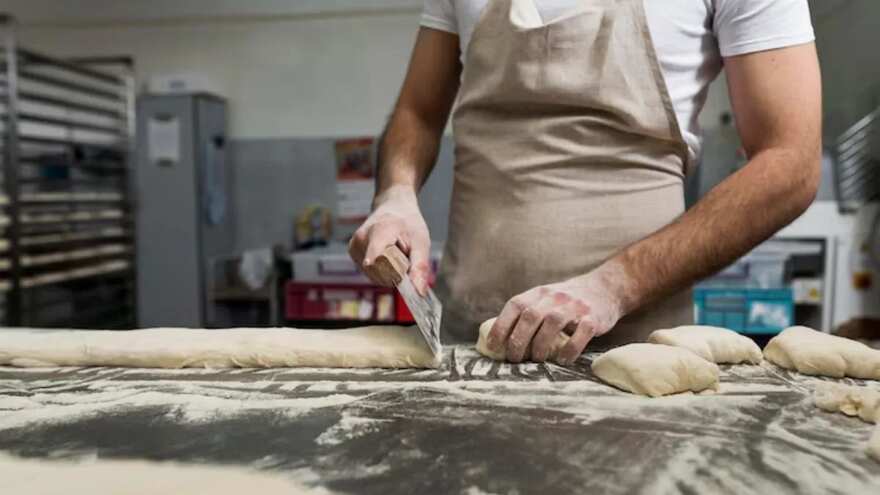
Image Credits: Freepik
Trust Your Nose
Your nose can tell you a lot about your dough. A ready dough will have a soft, slightly sweet smell, like the scent of a pav at a bakery. If the dough still smells like plain flour, it probably needs more time. A sharp or sour smell means the dough has fermented too long. That’s okay for sourdough, but not ideal for regular breads. Fresh dough should have a light aroma that shows the yeast is active and working. Trust your senses. With practice, you’ll know by smell alone when your dough is ready to be shaped or baked.
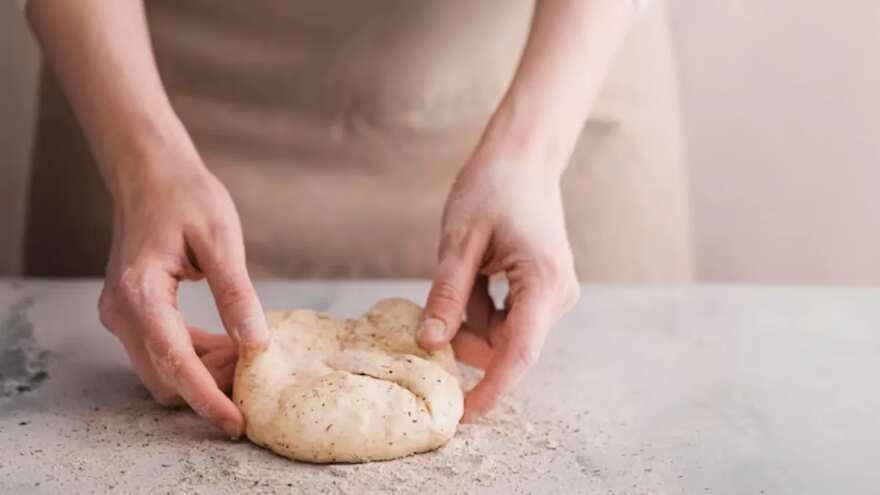
Image Credits: Freepik
Look For Bubbles
If you’re working with wet doughs like focaccia or ciabatta, look for tiny bubbles on the surface. These bubbles mean the yeast is alive and fermentation is going well. They often form near the edges or just under the top layer. You may also feel a light, airy texture when touching the dough. This sign is common in high-moisture dough and is a good way to check readiness without poking or pressing too much. Be gentle while handling such doughs, as they are delicate and can deflate easily. When you spot those bubbles, it’s time to get ready for baking.




