


 Share
Share

Matcha is a Japanese-origin food substance that has amassed popularity among fitness enthusiasts over the last decade or so. It has become a fixture in cafes and is served in multiple forms, such as tea, coffee, and surprisingly, even ice cream. Derived from the Camellia sinensis plant, the first thing that springs to mind when one thinks of matcha is its vivid green hue. The plants cultivated for matcha are typically shaded during the duration of growth, and the absence of direct sunlight enhances the production of chlorophyll, ascribing the plant its signature green colour.
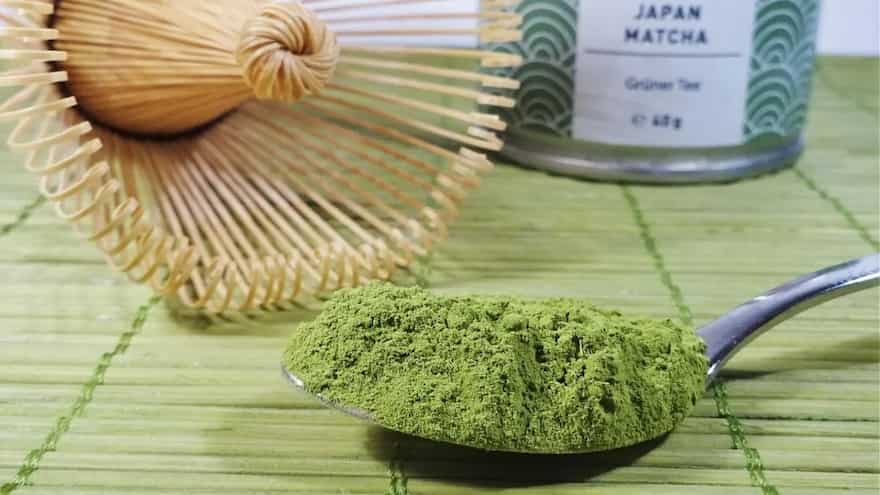
Image Credit: Pixabay
Examine The Colour Of The Matcha Powder
Matcha's colour is one of the simplest methods to assess its quality. Matcha is made from tea leaves that have had their green hue deepened by shading them with traditional bamboo mats before harvest. The rich, vivid green colour of premium matcha varies slightly depending on the crop. While second and third harvests are still green but marginally less vibrant, first-harvest leaves yield a startlingly bright green powder. A warning sign is if the powder appears brown or yellow, which usually indicates that the matcha is outdated or has been improperly stored, often exposed to heat or light, and should be avoided.
Test Texture Of The Matcha Powder
Higher-quality matcha is often finer. Top-quality matcha dissolves in water without clumping because it is ground so finely that the particles are almost as small as pollen. Upon closer examination, the powder should feel smooth and uniform rather than gritty or grainy. If you can see or feel coarse particles, they usually indicate lower quality. You can even do a quick test at home by drawing a straight line on a piece of paper after dipping your finger into the matcha. That line will be longer and cleaner the finer the ground, indicating that the matcha is well-made.
Smell Your Matcha Powder
Even before brewing, matcha's scent is one of the simplest methods to assess its quality. A good matcha should have a light, fresh scent with hints of grass and vegetation, as well as a subtle freshness reminiscent of the sea. It should never feel flat or heavy, but rather tidy and cheerful. The matcha is typically old or improperly stored if you detect a musty, stale, or damp scent. Another kitchen tip that you can try on your own is that matcha should always be kept in an airtight container, preferably in the refrigerator, away from heat, light, and moisture. Also, let it come to room temperature before opening to avoid condensation and preserve its aroma.
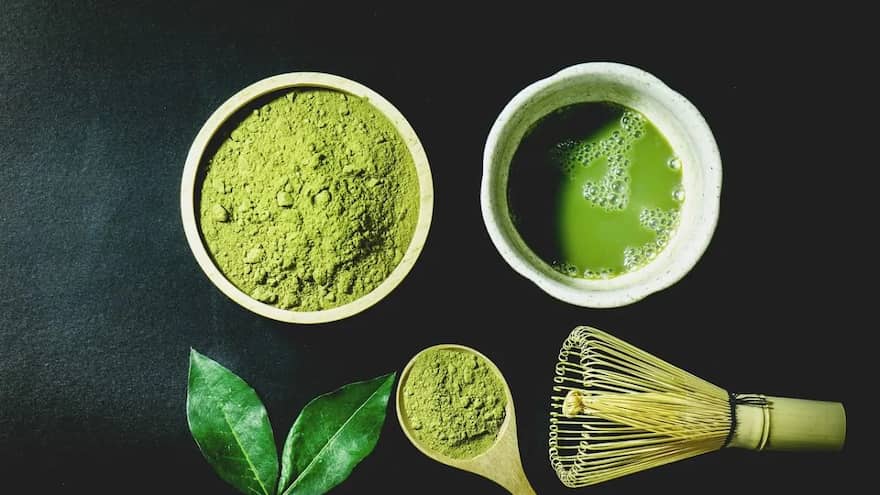
Image Credit: Pixabay
Packaging & Taste Of The Matcha Powder
Matcha should not come into contact with dampness or sunlight. Therefore, the manufacturer is undoubtedly not making enough effort if the package contains any visible components, is composed of a thin material, or is not completely sealed. Matcha will soon grow mouldy and lose its qualities in such a container. A refreshing, sweetish, vegetal flavour with distinct umami undertones and a mildly bitter aftertaste typical of green teas are characteristics of high-quality matcha. Matcha powder tastes sweeter and more delicate the earlier it is harvested. Later harvests will provide matcha with more pronounced bitter notes.
Look Into The Price & Certification
Only items that have undergone extensive testing and meet all requirements for ecological cultivation are awarded an organic designation. Because matcha powder was produced without the use of artificial fertilisers or pesticides, it benefits both Mother Nature and its users. It's a really insignificant indicator, but wow, how precise! High-quality matcha production demands a significant amount of labour and effort, particularly when it comes from fully ecological tea cultivation. Higher-quality matcha is more expensive than green tea powder from a bargain store, but there is a guarantee of excellent flavour and quality!




