


 Share
Share

Almost everyone has a secret or overt fondness for cheese. It simply makes food more delicious, whether it is melted, sliced, crumbled, or crammed into a stuffing. And let's face it, it tastes better the smellier it is. That smell, which is sharp, powerful, and a little nose-scrunhworthy? The magic is there. Every country seems to have a unique method of making cheese taste incredible, from nutty gouda and creamy brie to blue cheese that smells like it's criticising you. Cheese comes in a variety of personalities and moods all around the world. You get hard, salty parmesan from Italy, soft, weird rounds from France, crumbly cheddars from England, and holey Swiss cheese. While some cheeses are loud and unrepentant, others are gentle and courteous. And somehow, you love them all.
But then something terrible happens. Cheese can occasionally develop an unpleasant odour. Even if you are certain that you stored it properly, it becomes sticky, mouldy (not the fancy type), or begins to taste bad. However, the mould used to manufacture cheese is carefully planned and regulated; cheesemakers add certain, safe moulds that contribute to the development of flavour, texture, and that well-known scent you adore.
The issue arises when mould unexpectedly appears in your refrigerator later on. That wild mould is terrifying, erratic, and unfit for human consumption. Therefore, mould can be a hero when creating cheese, but after the cheese is stored at home, it can become a villain. Additionally, discarding cheese that you love so much causes mental and spiritual pain. However, there might be a simpler solution or, at the very least, a way to delay the spoiling. Here are some tips on what to do before you give up on that block of mouldy cheese.
Store In A Clean Place
Keep your cheese away from aromatic items like onions or that delicious curry you made for lunch because cheese absorbs other flavours. Cheese should always be covered with parchment paper since it loses moisture and flavour when exposed to the air.
Avoid Wrapping With Plastic
Generally speaking, you should not wrap your cheese in plastic wrap when storing it. The cheese you recently purchased is alive, despite your natural tendency to wrap it tightly for protection. Yes, it is a fact. Living, breathing organisms make up your favourite blocks of cheese. Cheese, therefore, requires air to breathe, just like any other living organism.
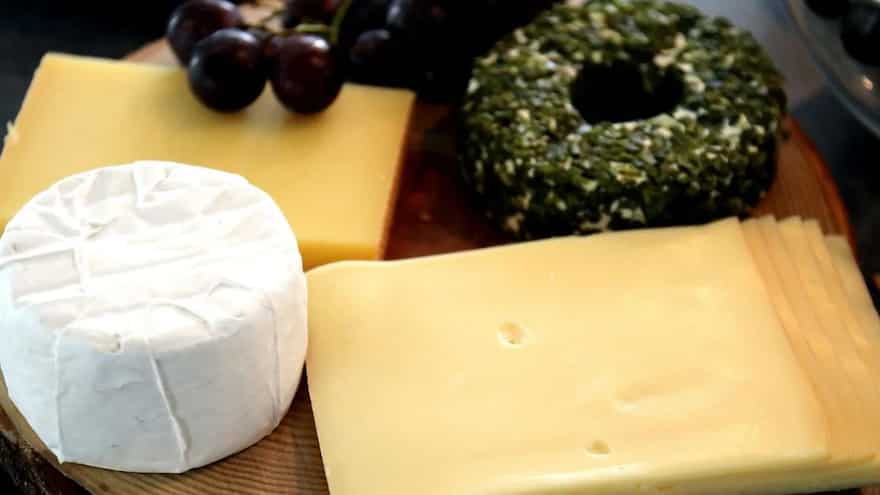
Image Credit: Pixabay
Use White Vinegar
Do this crucial step first, rather than simply throwing it into a zip-top bag and putting it back in the refrigerator. After dipping a fresh paper towel in white vinegar to moisten it, thoroughly round the cheese block with the vinegar-soaked cloth. After that, you may move it to an airtight container or zip-top bag and keep it in the cheese drawer of your refrigerator. All you need to do is periodically check the paper towel's moisture content and re-wet it with extra vinegar if it dries out. After that, you'll have fresh, mould-free cheese for many weeks to come.
Keep Cheesebags & Cheesepapers Handy
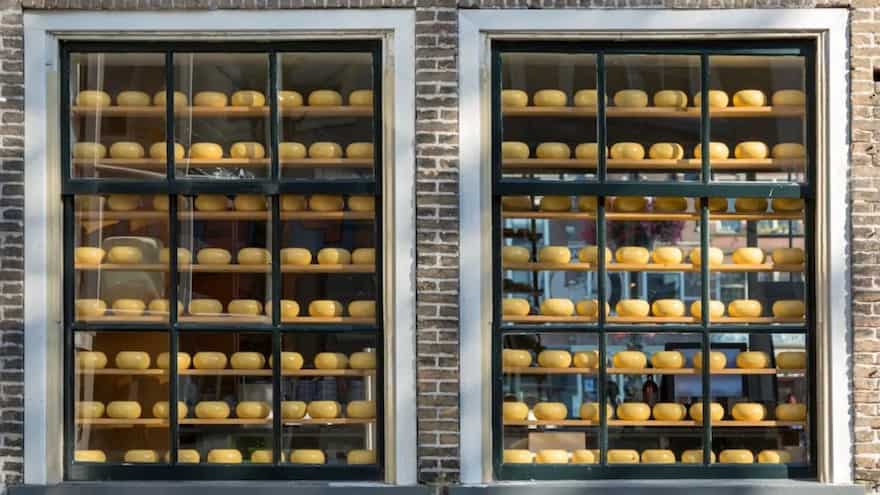
The easiest approach to preserving the freshness of your cheese is to put it in cheese bags or cheesepaper. Because of its porosity, it lets the cheese breathe while shielding it from the elements. Wax-coated paper and thin, porous polyethene plastic make up the two-ply layer, which lets moisture wick but not completely escape. Put it in a partially sealed plastic bag after wrapping it in wax or parchment paper if you can't find or don't want to purchase cheesepaper. The plastic prevents the cheese from drying out while the paper forms a barrier between it and the plastic. If it's already cut, you can return the slices to the original, open bag by wrapping them in paper.
Imag Credit: Pexels
Store Cheese In The Vegetable Drawer Of The Fridge
Cheese should ideally be stored between 35 and 45 degrees Fahrenheit. Cheese should be kept as far away from the freezer as possible because freezing can cause the texture to deteriorate. Keep it in the vegetable drawer or on a bottom shelf where the temperature is consistent but not too cold.
The Perfect Temperature
Compared to other items in your refrigerator, most cheeses prefer greater temperatures and humidity levels. Your cheeses will stay moist and flavourful for longer thanks to the higher temperatures and humidity, and you'll also benefit from keeping your cheeses apart from other items that can impart undesirable flavours. This is particularly crucial for fresh or soft cheeses that could lose a lot of moisture.




