


 Share
Share

India has some of the most delicious and nutritious seasonal berries during summer; be it ber, lasoora or amla. Karonda or Bengal currant is a small, sour berry that grows on the karonda shrub, which is native to the Indian subcontinent, particularly east and northern India. You may even have seen these mini coral-hued berries growing out of your neighbour's garden when you were growing up. It is widely cultivated in regions with tropical and subtropical climates. Karonda berries are often used in traditional Indian cuisine for their tangy flavour, and they are valued for their nutritional benefits, offering a range of vitamins, minerals, and antioxidants that contribute to overall health and well-being.
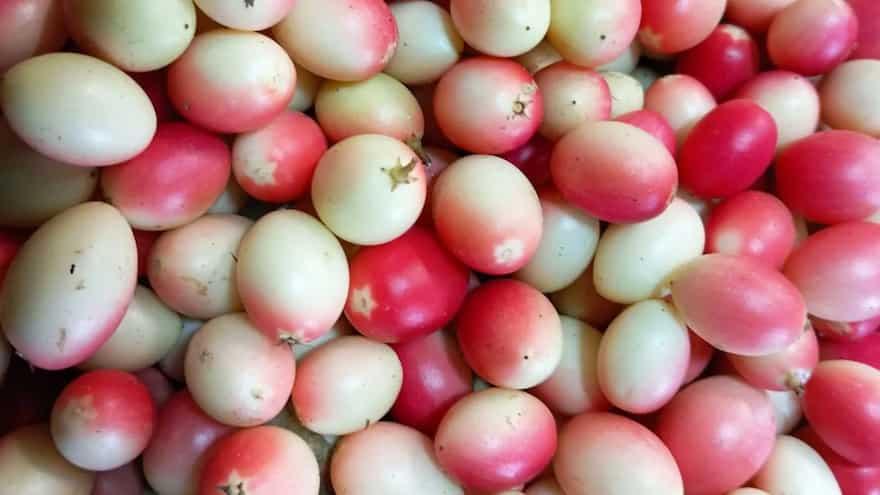
Image Credit: Wikimedia Commons
Karonda berries are small, round fruits that typically measure around 1-2 centimetres in diameter. They have glossy, smooth skin that ranges in colour from green to red-purple when ripe. The flesh of the karonda berry is juicy and slightly tart, with small seeds in the centre. Now that you’ve got to know about the multiple benefits of karonda, what are the different ways in which you can add it to your summer diet? Check these recipes out and try them at home in the coming weeks!
Karonda Mirchi Pickle
For those spicy food enthusiasts, this is an excellent addition to any dal or curry. If you enjoy spicy foods, you may just add an extra dose of spice to anything, such as rolling a parantha with a layer of this tangy spicy mix or topping a slice of toast. Karondas are very simple to cook and just take a few minutes, so you can always cook them fresh or make a large batch and keep it in the refrigerator. This is essentially an instant karonda mirchi pickle or sabzi dish. It keeps nicely in the fridge for about 3-4 weeks.
Also Read: 4 Things To Know About Acai Berry
Lehsuni Karonda Sabzi
Lehsuni karonda sabzi is that underrated summer hero that quietly steals the show, bringing together the bold punch of garlic and the tangy pop of karonda in a way that feels both nostalgic and exciting. This recipe is a hit, especially when the heat makes you crave something sharp, chatpata, and full of character, and every bite bursts with a mix of sour, spicy, and slightly earthy flavours. The dish can wake up your palate instantly, making it the kind of recipe you don't just eat but keep coming back for.
Karonda Chutney
There are numerous sorts of chutneys to be found all over India, and just as each state has a unique language, so do chutneys. But if you're tired of eating the same chutneys every day, try something new this time. This sweet and sour karonda chutney will take your dinner to a new level and give you a powerful tang. However, when the chutney is both sweet and sour, it tastes fantastic, and you can pair it with parathas, puris, dal-rice, or even snacks. The most significant feature of this chutney is that it is free of preservatives and additives. It is 100% natural and, when properly stored, can survive for several days. In addition to Karonda, jaggery, sugar, and spices are added to improve its flavour.
Karonda Jams
Its botanical name is Carrisa carandas, and it belongs to the family Carrisa and grows wild in bushes in India. It's a lovely ivory-colored fruit with a deep tinge of scarlet and pink. It has therapeutic benefits and can be used to make preserves and syrups. In India, karondas range in colour from purple to deep red and have a sour taste. Karonda can be transformed into delicious jams and preserves, offering a sweet and tangy spread for toast, crackers, or desserts. With its nutritional goodness and healing properties, karonda deserves its place as a monsoon fruit worth exploring. So, embrace this gem of a fruit and savour its unique taste while reaping its numerous health benefits.

Image Credit: Pexels
Karonda Juice & Syrup
Summertime is the best time to eat fruits, and the only type of food that one truly likes and feels satisfied after eating during this season is fruit. Karonda juice increases immunity, improves digestive health, and functions as a natural cooling agent to lower acidity. Frequently drunk as a sweetened syrup or blended with water to mitigate its astringent flavour.




