Share
Share

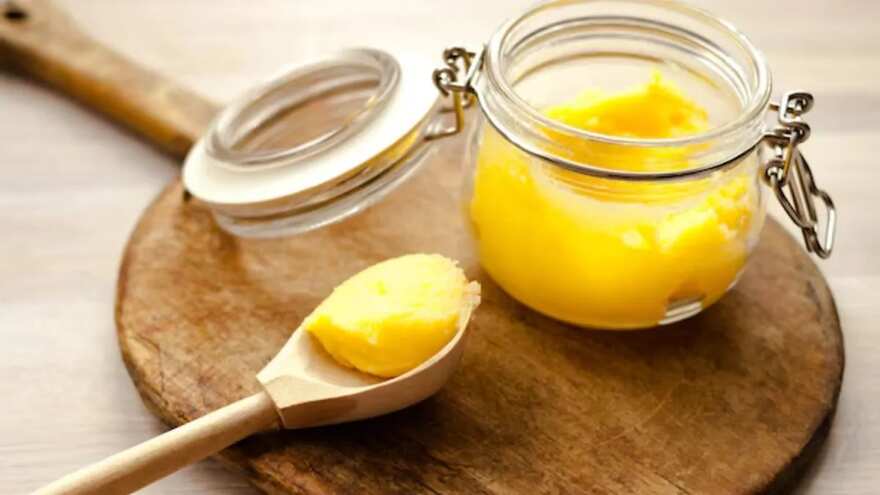
Indian sweets only taste good when prepared in ghee. People take pride in making the clarified butter at home and using it to grease roti, prepare paratha, and cook delicacies. Brands use the tag ‘desi ghee’ to attract customers and make a huge sale, especially during the festive season.
Keeping all the marketing gimmick aside, ghee has ample health benefits, and it does add nuttiness to the recipes. Holi staples like gujiya, pua, sev, mathri, and more don’t taste as good when they are not prepared in clarified butter. However, the repeated cooking, burning, and leeching of ingredients turn the ghee black. This short guide will tell you how to clean it at home.
Use Muslin Cloth
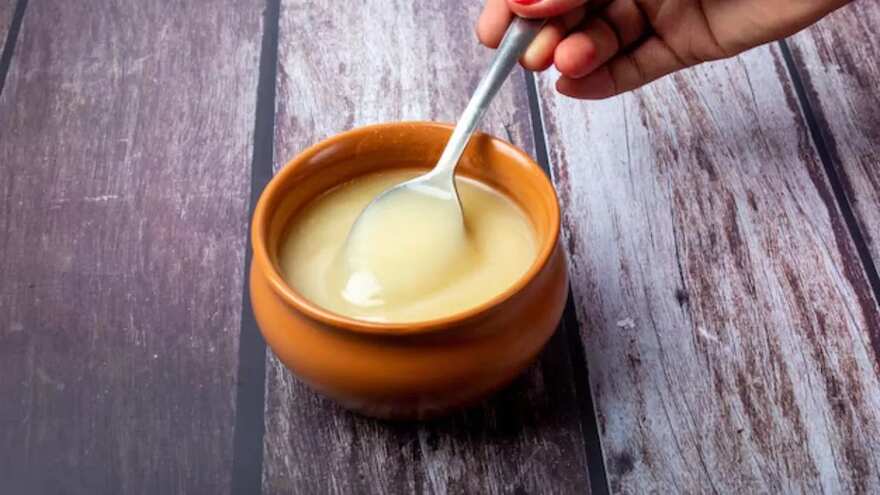
When the ghee is warm and melted, it is the right time to clean it. Instead of using a sieve, you can use a muslin cloth. The fibres are fine and can trap even the smallest of the black burnt food particles. What you will be left with is a cleaner batch of ghee that can be used for greasing roti or roasting parathas.
Use Cloves
When food is burnt while cooking in ghee, it leaves a foul odour that can also be infused in other dishes. For example, if your gujiyas burst while frying, khoya and dry fruit particles can stain other gujiyas and add a burnt scent to them as well. In such a case, you strain the ghee when warm and fry a couple of cloves in it before adding other gujiyas and puas. Frying a few slices of bread will also have a similar effect.
Also Read: Is It Healthy To Apply Ghee On Chapati?
Strain While Warm
The first step of cleaning ghee is straining it. However, don’t wait for it to get cold, or else it will start solidifying. The best time for straining is when the ghee is warm enough that it pours like water. It will be easier for you to catch the unwanted particles in the sieve. Once done, use a paper towel to wipe off the surface of your cookware.

Add Raw Potato
Did you know that a raw potato can absorb impurities in the ghee? Try this trick, and you will be surprised. Take a potato and slice it into thin wedges. Add it to the hot ghee and fry it. Soon you will notice that the vegetable will start picking burnt residue, and the colour of ghee will be restored. This might not be effective in catching the smallest of the particles though.
Cornstarch
One magic ingredient that you can use is a blend of cornstarch and water. Prepare the slurry and add it to cold ghee. Now, switch on the heat and keep stirring. As the temperature of clarified butter rises, cornstarch slurry will start gathering. While doing so, it will also capture all the burnt food particles and improve the hue of the oil. Remove the lump and strain the ghee once to ensure it is clean and good for use again.