


 Share
Share

Consuming freshly produced vegetables is good for your health, but the pesticides sprayed on their skin can be a harmful ingredient that you are incorporating into your diet. Research by the U.S. Food and Drug Administration (FDA) shows that vegetables and fruits can get contaminated while growing, being harvested, and even while being handled. However, if you think that only rinsing these vegetables under tap water will remove them completely, you might be wrong. It is important to clean your vegetables properly before using them in recipes. You don’t need special products; simple items like vinegar, salt, or baking soda can help. These natural cleaning methods are easy to follow and cost almost nothing. Here are some useful ways to remove pesticides from your veggies using everyday things from your kitchen.
Video Credits: HomeCookingShow/ YouTube
Wash And Soak In Water
One of the simple ways to start is by soaking vegetables in plain water. Whenever you buy vegetables from the market, first rinse them under running water to remove loose dirt. Then fill a big bowl with clean water and soak the vegetables for 20–30 minutes. This helps loosen pesticide particles and washes away dust or bugs. For leafy vegetables like spinach or coriander, gently move them around while soaking to release the dirt. After soaking, rinse them once again. This easy step removes a good amount of surface residue. It’s not perfect, but it’s a good first step before trying other methods for deeper cleaning.
Use A Vinegar Solution
Vinegar can remove pesticide layers from the surface of fruits and vegetables. Mix one part white vinegar with three parts clean water in a large bowl. Then place the vegetables in this solution and let them sit for 15–20 minutes. After soaking, scrub gently if needed, and rinse well under plain water. Vinegar not only helps break down chemical residue but can also reduce bacteria. However, don’t soak soft fruits like berries in vinegar, as it may affect their texture. This method works well for veggies like tomatoes, cucumbers, and even apples that usually carry more wax or residue.

Image Credits: Freepik
Salt Water Soak
Salt water works well to pull out pesticides from vegetables. Take a bowl of water and add about one tablespoon of salt for every litre of water. Mix well and add your vegetables. Let them soak for 20 minutes. Salt helps to detach pesticide particles stuck to the outer surface. After soaking, scrub gently with your hands and rinse thoroughly with fresh water. This method is especially helpful for items with grooves, like cauliflower or brinjal, where dirt and residue often settle. It’s a natural, cheap, and safe way to clean your veggies before chopping or cooking them.
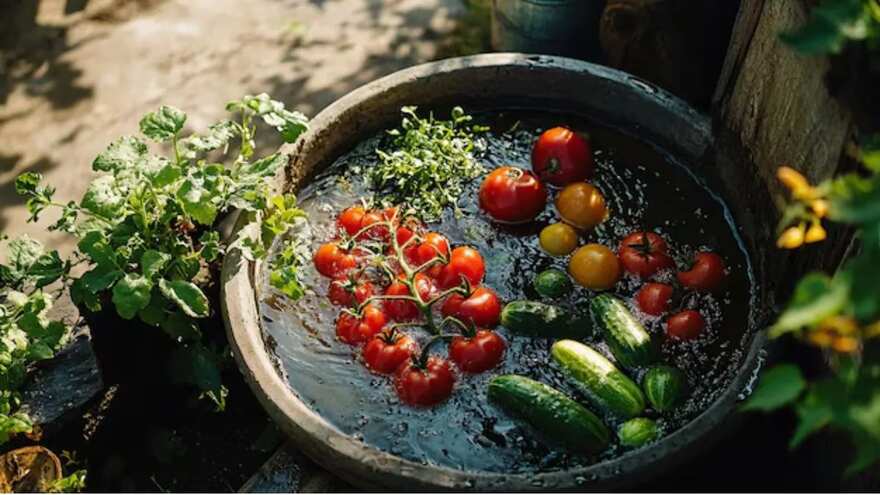
Image Credits: Freepik
Peeling And Scrubbing
Some vegetables carry most of their pesticide load on the outer layer. In such cases, peeling is a simple and effective solution. Carrots, cucumbers, bottle gourds, and apples can be peeled to reduce the chemical layer. For veggies like potatoes or ridge gourd, you can also scrub the surface using a clean brush under running water. This helps clean the skin without peeling, in case you want to keep the fibre. While this method may not remove everything, it greatly reduces the amount of residue you consume. Always wash your hands and tools properly while handling unwashed vegetables.

Image Credits: Freepik
Baking Soda Solution
Baking soda is another great option for cleaning vegetables. It helps break down pesticide chemicals and removes dirt from rough surfaces. Take a large bowl, add one teaspoon of baking soda for every litre of water, and soak the vegetables for about 15–20 minutes. After soaking, gently scrub the vegetables with your hands or a brush and rinse them well with clean water. This method works well for thick-skinned vegetables like capsicum, okra, or pumpkin slices. It’s safe, natural, and won’t affect the taste. Make sure to rinse everything properly to avoid leftover baking soda in your food.




