


 Share
Share

Gujarati meals usually include a small portion of athanu on the side. It is placed near the roti, rice, or khichdi and eaten in small amounts. Families prepare these pickles at home using seasonal produce and standard spices. The process is simple and often passed down through generations. Some recipes require drying the ingredients in sunlight. Others involve cooking or fermenting. The pickle is then stored in airtight containers for regular use. It is a part of daily meals and often prepared once a year in larger batches. Children grow up seeing their mothers and grandmothers make it during summer or festival time. These five varieties continue to be used in everyday Gujarati households.
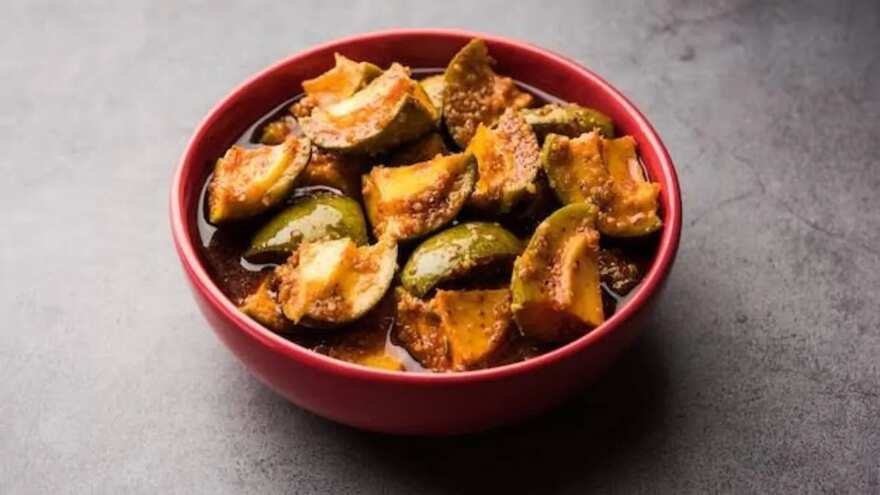
1. Methia Keri
This athanu is made using raw mango cut into pieces. The mango is mixed with mustard seed powder, fenugreek, red chilli, turmeric, and salt. After mixing, the contents are placed in oil and stored in glass jars. The jars are kept in sunlight for about a week. The oil absorbs the spices and the mango becomes softer. The athanu is eaten with bajra rotla, dal bhaat, or plain thepla. Many households prepare this in summer and store it for later use. The flavour deepens over time and becomes stronger as it rests. People often prepare it in large amounts so it lasts for several months. It is usually the first pickle taught to someone learning to make athanu at home.
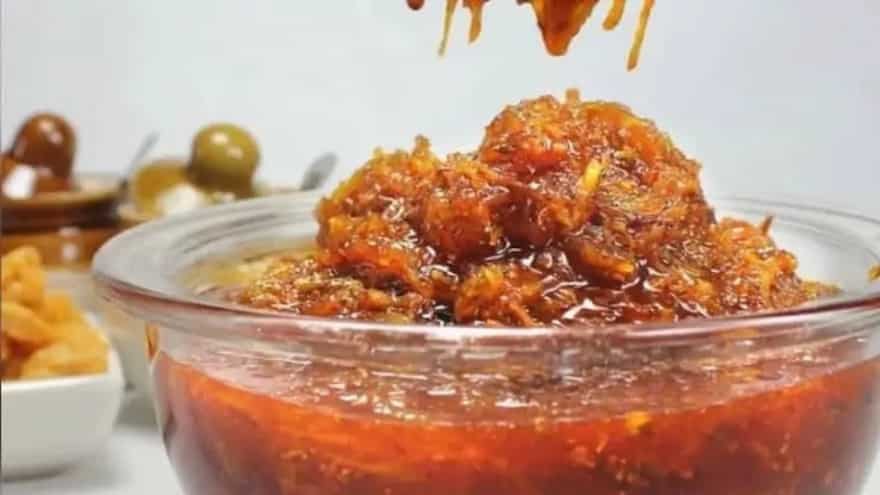
2. Chhundo
Chhundo is made using raw mango grated finely. Sugar is added in large quantity along with salt and a small amount of red chilli. Some people prepare it by sun-drying the mixture while others cook it on a low flame. The sugar melts and coats the mango evenly. The mixture thickens and becomes slightly sticky. It is kept in clean jars and stored without refrigeration. This athanu is often packed in lunchboxes and served with dry snacks or parathas. It is a popular choice for school tiffins and train journeys. In many homes, it is always kept ready in the cupboard. Its long shelf life and ease of preparation make it a regular part of the household kitchen.
3. Limbu Nu Athanu
Whole lemons are cut into small pieces and mixed with salt. This mixture is kept aside for a few days to release juice. Sugar is added once the lemon softens. The contents are stirred daily and kept in sunlight to develop flavour. Some households add carom seeds or black pepper during the process. The mixture turns glossy and the lemon pieces absorb the liquid fully. This athanu is commonly eaten with khichdi or plain curd and rice. It is mild and balanced, which suits older family members as well. Most families make it once a year and store it for regular use. It becomes softer over time and goes well with simple meals.

4. Marcha Nu Athanu
Thick green chillies are used to make this athanu. The chillies are washed and dried completely before use. They are then slit and filled with a dry mix of mustard powder, salt, and turmeric. Some people pour lemon juice over the stuffed chillies before adding oil. The filled chillies are placed in a jar and covered with oil. This athanu is ready to eat within a few days. It is kept in most homes and served with bhakri or millet rotla. It is also eaten with khichdi or plain dal and rice. The recipe is common across villages and cities. Many people store it in small jars and carry it while travelling.
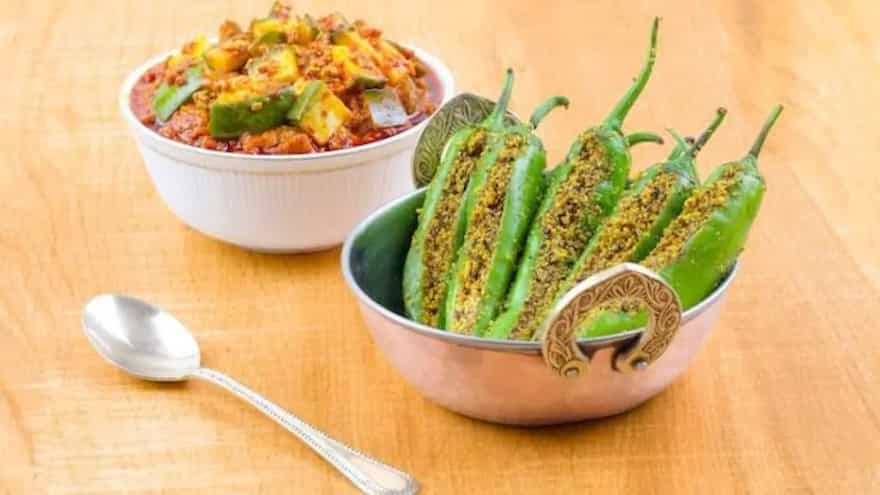
5. Gor Keri
This athanu is prepared using cubes of raw mango. The mango is cooked with jaggery, red chilli powder, and salt until the jaggery melts completely. The mixture thickens and coats the mango pieces. Once cooled, it is stored in jars and kept in a dry place. The taste is strong and the mango pieces remain firm. It is usually served with plain paratha, puri, or roti and kept on the table during festive meals as well. The preparation is simple and does not need much equipment. It is made in the summer months and eaten slowly through the year. Most households prepare it in small to medium batches.
Gujarati athanu is still prepared using traditional recipes and methods. It is an essential part of daily food in many homes. The ingredients are basic but the result lasts long and adds flavour to simple meals. These five types continue to be used regularly in households across Gujarat. Families make them at home, store them in glass jars, and serve them with everyday food. Even younger generations are slowly learning to make them through practice and observation.




