


 Share
Share

Indian summers change the way people eat. Heavy curries are slowly replaced by lighter meals, refrigerators are filled with chilled drinks, and ingredients like cucumber, curd, coconut, and raw mango make a vibrant appearance on everyday plates frequently. Across many Indian households, food during summer is designed not only to satisfy hunger but also to make the heat easier to handle.
One such dish that quietly becomes part of this shift is koshimbir. It is commonly associated with Maharashtrian cuisine, and is often described as a salad, which carries far more regional character than a standard bowl of raw vegetables. This dish is simple, lightly seasoned, and built around ingredients that are cooling and refreshing during hot weather. Curd, grated coconut, soaked peanuts, coriander, green chillies, and seasonal vegetables are mixed to make koshimbir that pairs very well with Indian meals. Koshimbir is served beside dal-rice, bhakri, poli, or simple sabzis, which add texture and balance to the plate.
What makes koshimbir especially interesting is how closely it reflects traditional Indian summer eating habits. Before hydration became a wellness trend, regional cuisines already had dishes designed around climate and digestion. Koshimbir is a practical way to include raw vegetables, probiotics, and water-rich ingredients in daily meals without making food heavy.

(Image Credit: Freepik)
Cucumber And Peanut Koshimbir
Cucumber is perhaps associated very closely with Indian summers, which is why cucumber koshimbir is one of the most common koshimbir versions found in Maharashtrian households. Chopped cucumber is mixed with roasted peanut powder, coriander, green chillies, lemon juice, and sometimes grated coconut. The combination is crunchy, refreshing, and light alongside hot meals. Peanuts add texture and richness to the dish, while cucumber contributes hydration during peak heat.
Kakdi Dahi Koshimbir
Kakdi dahi koshimbir is made with cucumber and curd, creating one of the most cooling variations of the dish. The yoghurt adds creaminess and prebiotics to the dish, which makes it especially popular during extremely hot afternoons. This koshimbir is often lightly seasoned with cumin or mustard tempering. It pairs particularly well with spicy meals as it balances heat without overpowering the rest of the plate.

(Image Credit: Freepik)
Raw Mango And Coconut Koshimbir
Raw mangoes dominate Indian summers, and many koshimbirs make use of their sharp, tangy flavour. In this variation, grated raw mango is often combined with fresh coconut, coriander, and green chillies. This results in a bright, slightly sour, and refreshing koshimbir. Coconut softens the intensity of the mango and adds richness and texture. This type of koshimbir works very well with simple dal-rice meals during very hot weather.
Tomato Onion Koshimbir
Tomato onion koshimbir is one of the simplest yet most widely prepared versions. Chopped onions and tomatoes are mixed with coriander, lemon juice, salt, and sometimes curd or coconut. This dish might look simple, but it adds freshness and acidity that help balance heavier foods like sabzis or fried items. During summer, many households also add cucumber or mint to make the combination feel even lighter.
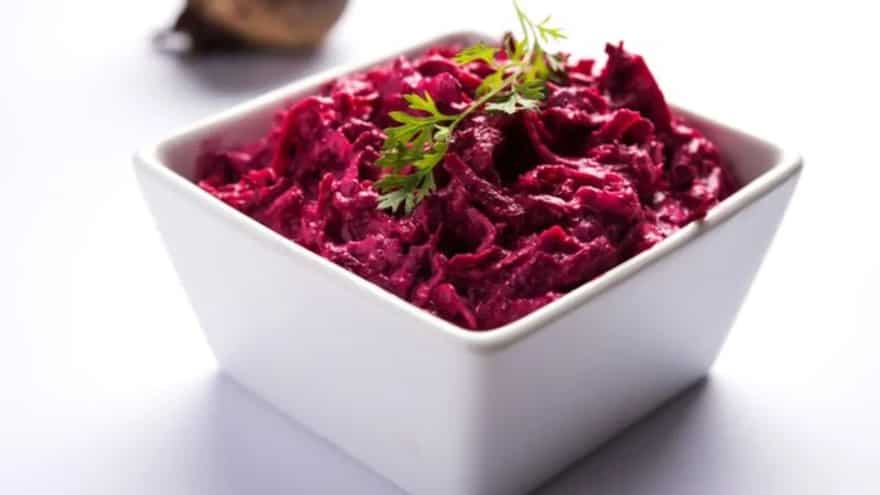
(Image Credit: Freepik)
Beetroot Koshimbir
Beetroot koshimbir brings colour and slight sweetness to the table while still feeling suitable for hot weather. This koshimbir is made with grated beetroot, coconut, and mild seasoning, and it offers a softer texture compared to cucumber-based versions. You can lightly steam the beetroot before preparing the dish, or also have it raw for crunch. Either way, it becomes an easy way to include vegetables in meals without relying on heavy gravies or fried preparations.
The Difference Between Koshimbir And Regular Salad
Unlike many Western-style salads, koshimbirs are designed to complement Indian meals. They are usually lightly seasoned, smaller in portion, and integrated into the larger thali rather than eaten as standalone dishes. Koshimbirs are easy to prepare and are simple, but they reflect a much deeper connection between Indian food and seasonal eating habits. They are built around fresh vegetables, curd, coconut, and regional flavours, and quietly show how traditional meals adapted to intense summer weather long before modern wellness trends were popular.




