


 Share
Share

Sweet corn becomes easy to find in Gujarat during the colder months because markets receive fresh harvests from different farming regions, and the ingredient suits winter meals due to its warm, gentle flavour. Many people enjoy it for its natural sweetness, which remains even after long cooking, and this makes it a comfortable choice for dishes that need a soft balance of taste without too much effort. Sweet corn also brings a light nutritional value, with fibre and natural starch that help make meals more filling during the season when families often choose slightly heavier food. The kernels cook quickly, work well with basic tempering, and blend cleanly into everyday recipes without needing complicated methods. These qualities make the ingredient practical for winter cooking in many Gujarati homes, where the focus remains on warm, simple dishes that can be prepared with ingredients already available in the kitchen.
1. Makai Chevdo With Warm Spices
Corn-based chevdo appears in many homes during winter because it can be prepared in batches and stored without trouble. The dish usually begins with steamed or boiled kernels mixed with roasted poha, groundnuts, and small quantities of dried coconut. A tempering of mustard seeds, curry leaves, hing, and a light touch of clove powder brings the warm flavour associated with this time of year. Some families add small fried lentil bits for extra texture. Chevdo works well as an evening snack with tea and stays fresh in airtight containers through the week.
2. Makai Handvo With Grated Vegetables
Handvo remains familiar across Gujarat, and adding sweet corn to the fermented batter gives the dish a pleasant sweetness during winter. Grated dudhi or carrots help balance moisture, and crushed corn fits neatly into the rice–lentil batter that ferments overnight. Slow cooking helps form a crust at the bottom, which many people enjoy, and the corn turns softer as the heat builds. During the winter months, some cooks also include ajwain in the tempering before baking or steaming, which contributes to the aroma. The dish is often served warm with chutney for breakfast or early dinner.

Image credit: Freepik
3. Makai Bharta With Lasan And Green Chillies
Corn bharta is prepared across several Saurashtra households during winter, and garlic forms the backbone of its flavour. Boiled kernels are lightly crushed and then cooked with onions, garlic, green chillies, haldi, and red chilli. The final texture falls between a mash and a sabzi, and it pairs well with bajra rotla, which is also common during colder months. Longer simmering helps the corn absorb the spices, and the dish suits a simple winter meal. Some people add coriander at the end, although it remains flavourful even without garnish.

Image credit: Adobe Stock
4. Makai Muthiya With Fenugreek Leaves
Muthiya continue to be a regular part of Gujarati kitchens because they adjust well to seasonal produce. Fresh methi is common in winter, and it combines smoothly with crushed corn and either besan or wheat flour. The dough forms soft dumplings that are steamed and then lightly pan-fried for a gentle crust. Corn softens inside the muthiya, while methi provides the slight bitterness linked to winter greens. A basic tempering of sesame and mustard seeds brings aroma and texture. These muthiya suit breakfast, evening snacks, or tiffin boxes.
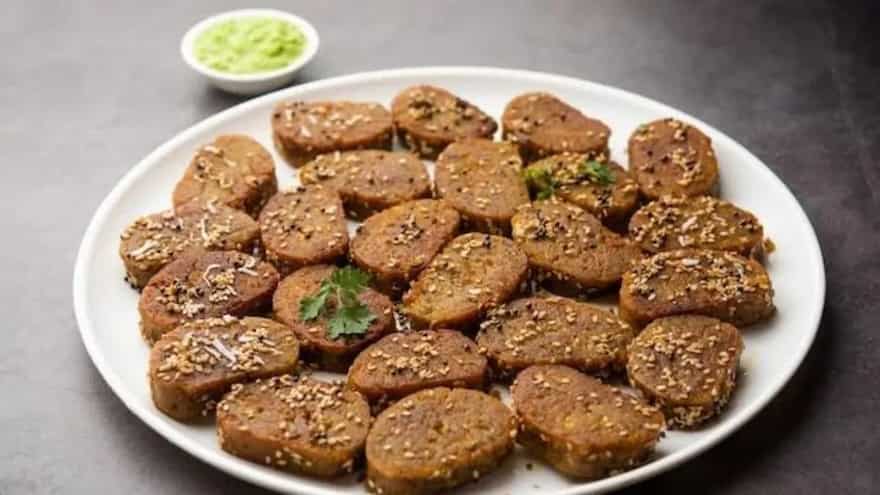
Image credit: Freepik
5. Makai Rotlo For Cold Evenings
Makai rotlo holds a strong place in winter cooking across Gujarat, and the addition of sweet corn gives the traditional preparation a softer taste. Crushed or blended kernels mix with makai flour to create a dough that holds moisture for longer, making the rotla easier to shape. The rotla cooks on a hot tawa until small brown patches appear, and the corn adds a mild sweetness that works well with ghee, curd, or lehsun chutney. Some people also serve it with jaggery during colder nights, and the dish fits comfortably into a simple dinner menu when temperatures drop.

Image credit: Wikimedia Commons




