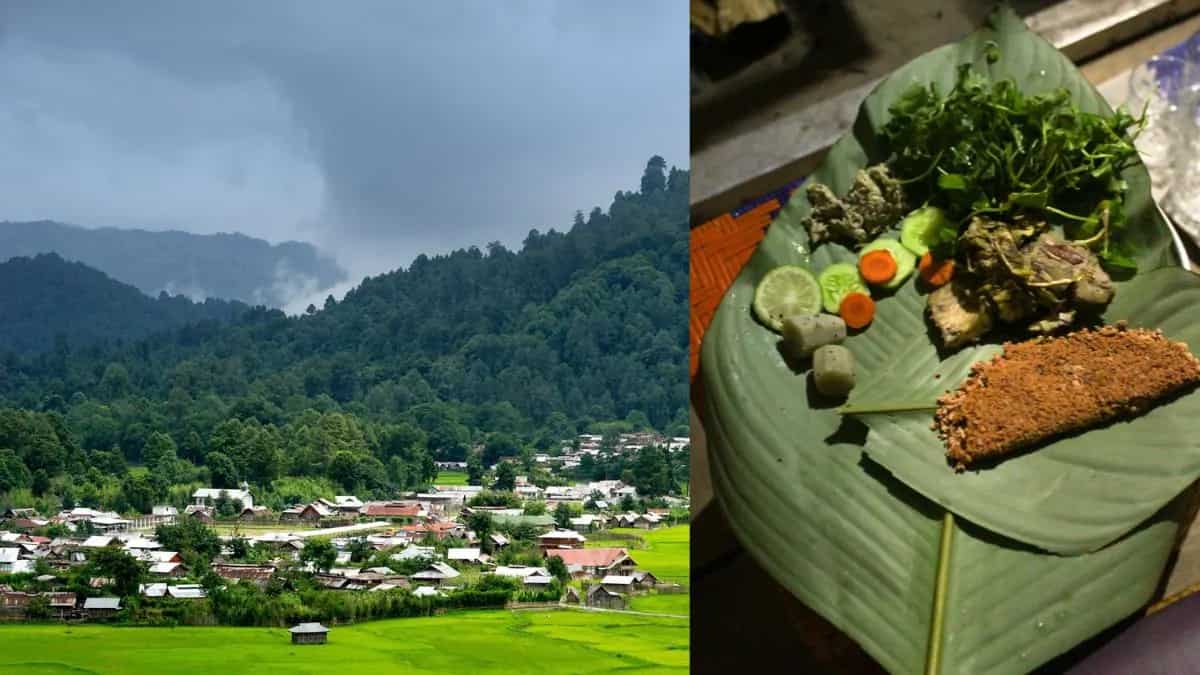
When late September arrives in the pristine hills of Arunachal Pradesh, a certain magic takes hold of the landscape. Between the 24th and 27th of September 2026, the Ziro Festival of Music will once again transform the verdant valley into a global gathering of indie artists, folk musicians, and curious travellers. Yet for all the acoustic brilliance echoing from the handmade bamboo stages, another sensory experience quietly steals the spotlight. The true rhythm of the valley lies in its food. For those making the pilgrimage to this remote northeastern frontier, the culinary traditions of the indigenous Apatani tribe offer an adventure as thrilling as the festival lineup itself.
Origin And History Of The Ziro Festival Of Music
To truly appreciate the festival today, one must look back at how this extraordinary gathering came to be. Founded in 2012 by local resident Bobby Hano and Anup Kutty, guitarist for the Delhi based indie band Menwhopause, the festival was born out of a shared dream to foster cultural exchanges and showcase independent music in India. What started as a modest outdoor assembly at an altitude of 5,500 feet has grown into one of the most revered eco friendly music festivals in the world.
From its inception, the festival was envisioned as a harmonious partnership with the indigenous Apatani community who host the event. Rather than bringing heavy industrial machinery or non biodegradable structures into the ecologically delicate valley, the organizers and local villagers built the iconic Donyi (Sun) and Polo (Moon) stages entirely out of locally sourced bamboo and oak branches. The stages take inspiration from the animist Donyi-Polo faith native to the tribes of Arunachal Pradesh. Over the past decade, the festival has evolved from a grass roots celebration into an international beacon of sustainability, championing a strict zero plastic policy and community driven waste management while giving visitors unprecedented access to tribal life.
Image credit: Wiki
The Apatani Way Of Life And Sustainable Farming
The Apatani people have cultivated a profoundly sustainable relationship with their land for centuries. Their farming practices are legendary across India, particularly the wet rice cultivation system where fish and rice grow together in perfect ecological synchrony. This symbiotic relationship directly translates onto the plate. During the festival, the food stalls lining the perimeter do not just sell standard event grub. They serve a masterclass in regional terroir.
The tribal diet is inherently rooted in the surrounding forests and terraced fields. Rice forms the cornerstone of every meal, but dining here is never a bland affair. The Apatani kitchen elevates simple ingredients through ancient techniques of smoking, curing, and fermenting. There is no reliance on complex commercial spice blends. Instead, the flavour profiles are built entirely from foraged herbs, locally grown chillies, and the natural umami that develops through careful preservation.
Image credit: Wiki
Traditional Bamboo Cooking At Ziro Festival 2026
Wandering through the festival grounds, the scent of woodsmoke and roasting meat fills the crisp mountain air. Bamboo is omnipresent in Ziro. It forms the festival infrastructure, the seating, the drinking cups, and crucially, the cooking vessels. The technique of cooking inside hollow bamboo tubes imparts a subtle, earthy sweetness to the food that metal pots simply cannot replicate. A quintessential dish to seek out is Sudu. Chunks of meat, usually pork or chicken, are stuffed into green bamboo segments along with indigenous herbs and a pinch of local salt. The tube is then sealed and placed directly over open flames. The moisture trapped inside gently steams the meat in its own juices, resulting in an exceptionally tender texture and a smoky, herbaceous aroma. Bamboo shoots also feature heavily as a core ingredient. Whether harvested fresh for a gentle crunch or fermented to develop a pungent, tangy depth, the shoot is indispensable. Visitors will find it paired with boiled vegetables, wild ferns, and various smoked meats, providing a textural contrast that defines the local palate.
Image credit: Wiki
Fermented Foods And Fiery Condiments Of Arunachal
No culinary exploration of Ziro is complete without braving the bold, unapologetic world of Apatani fermented foods. Fermentation in Arunachal Pradesh is not merely a culinary trend but a vital survival technique designed to preserve food through harsh winters.
At the heart of the dining experience sits Pika Pila. This traditional pickle commands immense respect and is a staple accompaniment in Apatani households. Pika Pila is crafted from fermented bamboo shoots, pork fat, and fiery local chillies. Sometimes makers incorporate the infamous King Chilli, known regionally as Bhut Jolokia, to lend the condiment an intense, lingering heat. The pork fat provides a rich, unctuous mouthfeel that perfectly balances the sharp, acidic tang of the fermented shoots. Paired with simple steamed rice and boiled greens, a small spoonful of Pika Pila transforms a basic meal into a complex gastronomic delight.
Another fascinating element to look for is Tapyo, an indigenous herbal salt. Before commercial sea salt reached these remote hills, the Apatani people ingeniously extracted salt from the ashes of specific local plant stalks. Tapyo has a distinct, mildly alkaline taste and is still used by traditional cooks to enhance the flavour of stews and boiled vegetables.
Image credit: Wiki
Hearty Meats And Organic Greens In The Music Valley
For those with an adventurous palate, Chura Sabzi offers a rich, rustic diversion. This hearty dish relies on a base of fermented cheese made from yak or cow milk, combined with vegetables and generous flakes of red chilli. The fermented cheese acts as a creamy, pungent binding agent, creating a thick stew that warms the body against the September chill.
The condiment game at the festival is remarkably strong. Pehak is another spectacular side dish that festival attendees should actively hunt down. It is a spicy, pungent chutney made from fermented soybeans and roasted red chillies. The bold and tangy taste of Pehak makes it an irresistible combination with plain steamed rice or local meats.
For meat lovers, Lukter is an absolute must try delicacy. This dish features dry cooked meat, typically beef or pork, tossed generously with dry red chilli flakes. The smoky, chewy texture of the meat makes it the perfect companion to a warm drink, offering a deeply satisfying experience during the breezy festival evenings. Meanwhile, vegetarians will find delight in an array of organic greens, pumpkin vines, and wild mushrooms, often prepared with minimalist flair to let the natural freshness shine.
While mainstream Indian food often relies on heavy frying and elaborate tempering, Apatani cuisine is a masterclass in restraint. Dishes are largely boiled, steamed, or smoked. The food feels incredibly light on the stomach, an essential quality for those who plan to spend hours walking between the Danyi and Polo stages.
Image credit: Wiki
Apong And Opo The Traditional Rice Beer Of Ziro
You cannot listen to a folk band at Ziro without a bamboo stein of local brew in your hand. Apong, or Opo as it is locally known among the Apatani, is a traditional fermented rice or millet beer. Brewing Opo is a sacred, communal craft, traditionally overseen by the women of the household.
The process involves roasting rice until it turns dark, mixing it with natural yeast starters, and leaving it to ferment in sealed pots. The resulting beverage is smooth, mildly sweet, and deceptively potent. Served generously in freshly cut bamboo mugs, Opo is the literal lifeblood of the festival. It acts as a social lubricant, breaking down barriers between international tourists and local villagers. The drink is deeply refreshing after a long day of dancing, offering complex tasting notes that range from toasted caramel to sour apple, depending on the specific family recipe.
Image credit: Wiki
Beyond The Music A Gastronomic Awakening
The Ziro Festival of Music from the 24th to the 27th of September 2026 is poised to be an unforgettable convergence of sound and scenery. Yet long after the final guitar chord fades into the Himalayan twilight, it is the lingering taste of wood smoked meat, the sharp bite of Pika Pila, and the warmth of rice beer that visitors will remember.
Travelling to Arunachal Pradesh requires effort, but the reward is a rare glimpse into a culture that celebrates the earth with every meal. By embracing the authentic flavours of the valley, festival attendees do more than just feed themselves. They participate in an ancient, ongoing dialogue between the Apatani people and the spectacular land they call home. Do not miss the chance to eat exactly as the locals do, letting the ancient terroir of Ziro dictate the rhythm of your appetite.