IF you are the kind of person whose travel itinerary is built around things to eat rather than places to see, you must get hold of Zac O’Yeah’s book, Digesting India. The Swedish detective novelist and travel writer, who lives in Bengaluru, describes himself as a “tummy tourist”. As the title indicates, this book is about what he has eaten, enjoyed, and regretted. In fact, he pulls out all the stops and acquaints you a bit too intimately with his digestive system. Be prepared to stomach some descriptions of gastric malfunctions and intestinal catastrophes.
What is most important to him though is the fact that he has been on some pretty unusual adventures, and survived to tell the tale. Here is the author’s convincing rationale. “If I had played it safe, I might not have suffered inconveniences but would have had no stories to tell you. Some backpackers tramp on for years without snafus, spending their lives on the road eating yoghurt and nuts, starved of any destination’s gastronomic heritage,” he writes.
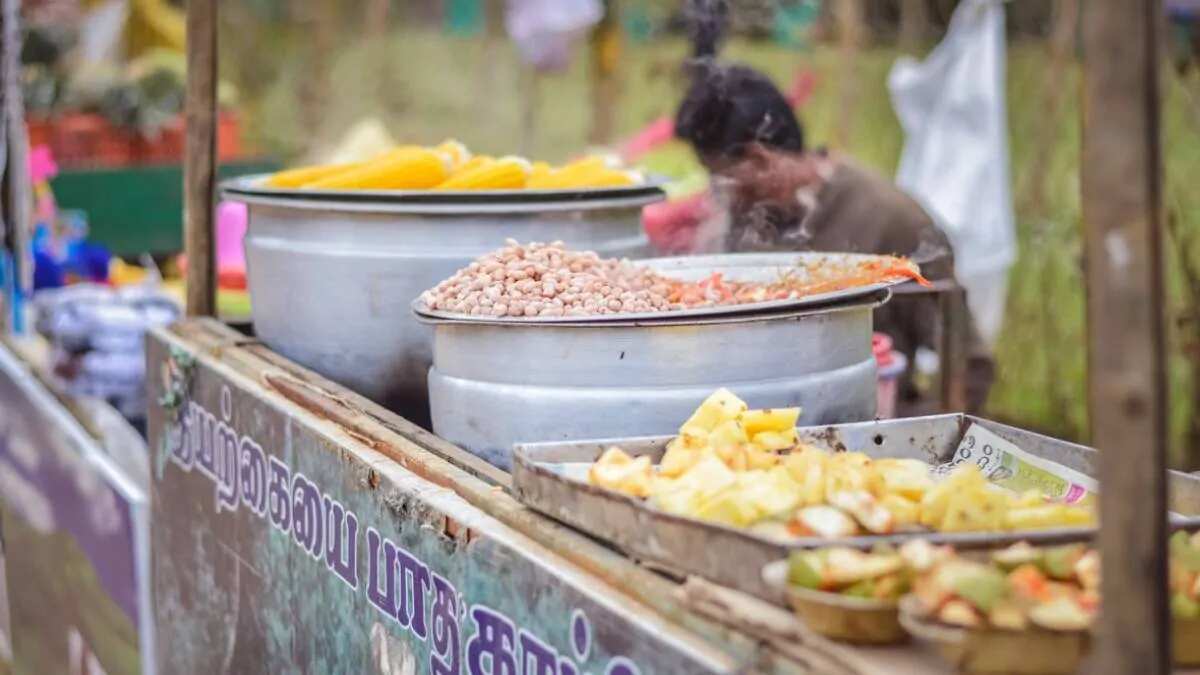
As you might have guessed, the author loves street food — whether it is poha in Ujjain, kathi rolls in Kolkata, bedmi aloo in Delhi, or vada pav in Mumbai. He opines that “vendors with pushcarts are among the few chefs that customers can see in action” and street food is his gateway to befriending a new place because that is what locals tend to eat. That said, he also savours gourmet meals at fancy restaurants and in palaces converted into hotels.
Published by Speaking Tiger Books, this volume is ideal for fellow tummy tourists and readers who want to pick up recommendations on local delicacies or just have a good laugh. It journeys through various parts of India – Karnataka, Maharashtra, Kerala, Tamil Nadu, Goa, Rajasthan, Gujarat, Bihar, Madhya Pradesh, Delhi, Assam, Meghalaya, West Bengal, Punjab, Andhra Pradesh, Telangana, Pondicherry, and Uttar Pradesh — taking the reader along to temple kitchens, flea markets, havelis, prehistoric caves and export surplus showrooms.
“A crucial aspect of travel, one that not everybody keeps in mind, is the importance of analysing oneself and one’s reactions – both physical and mental – to what happens on the road, and in so doing, learn new things. What have my tummy chronicles revealed to me?” the writer wonders, using this as a launch pad for documenting these ‘tummy chronicles’ in vivid detail and with a charming sense of humour. There are no recipes in this book because it is primarily a travelogue; so you may not be able to cook those dishes, but you can certainly try them out when you travel.
His utter delight in discovering new flavours is perhaps most beautifully expressed in his response to kairsangri, which he first ate in the Churu district of Rajasthan. “I’ve never eaten anything quite like it before. It is sourish, presumably from the raw mango powder, but has an earthy, deep natural aroma, and ghee adds a rich touch to it. The stringy beans have been cooked in yoghurt with cashews and raisins.” He was surprised to learn that “dried beans and berries” growing in an arid region with very little vegetation could taste so delicious.
O’Yeah is also quite fascinated with food sold at railway stations — vada, aloo tikki, dhokla, chikki, mishti doi, chhole, biryani, fish curry, banana fritters, and an astonishing variety of small eats. If you enjoy long-distance train journeys, these parts of the book are likely to evoke nostalgia. He writes, “As far as I have counted, there are 7,325 stations in India — each of which is likely to be a theatrical display of energising sweets and quick bites, often with some regional specialties up their sleeve. I’ve only visited about 500 of those.”
The book is also filled with literary anecdotes if you need some to munch on between meals. Did you know, for instance, that novelist RK Narayan wrote The Guide (1958) in California at a time when there were fewer vegetarian options as compared to what is on offer today? He bought a hotplate and cooked curd rice to keep himself going until he finished his manuscript. That must have been bland and boring by itself, so he used to polish it off with lime pickle.
MK Gandhi, Rabindranath Tagore, Orhan Pamuk, Kiran Desai, Amitav Ghosh, William Dalrymple, Rudyard Kipling, VS Naipaul, Somerset Maugham, EM Forster and Pico Iyer are some of the other writers that you will encounter in this book. The author wants to ensure that you get to know them beyond their words, mainly through their relationship with food. He drops names with practised ease, turning the tiniest of moments into delectable memories.