Food is about considerably more than what arrives on the plates. It has childhood memories linked with it, holds regional culinary traditions and connects to the people who grow, prepare and share what you eat. World Food Day, which is observed every year on October 16, offers a chance to remember these connections. This year, the theme of World Food Day 2026 is “Innovate today. Nourish tomorrow,” which highlights the significance of new concepts in shaping the future of food while maintaining its deeper purpose in view. Even the name itself has a touch of innovation - 'cellar' comes from the cell or prison, and '1612' refers to the year it was made in.
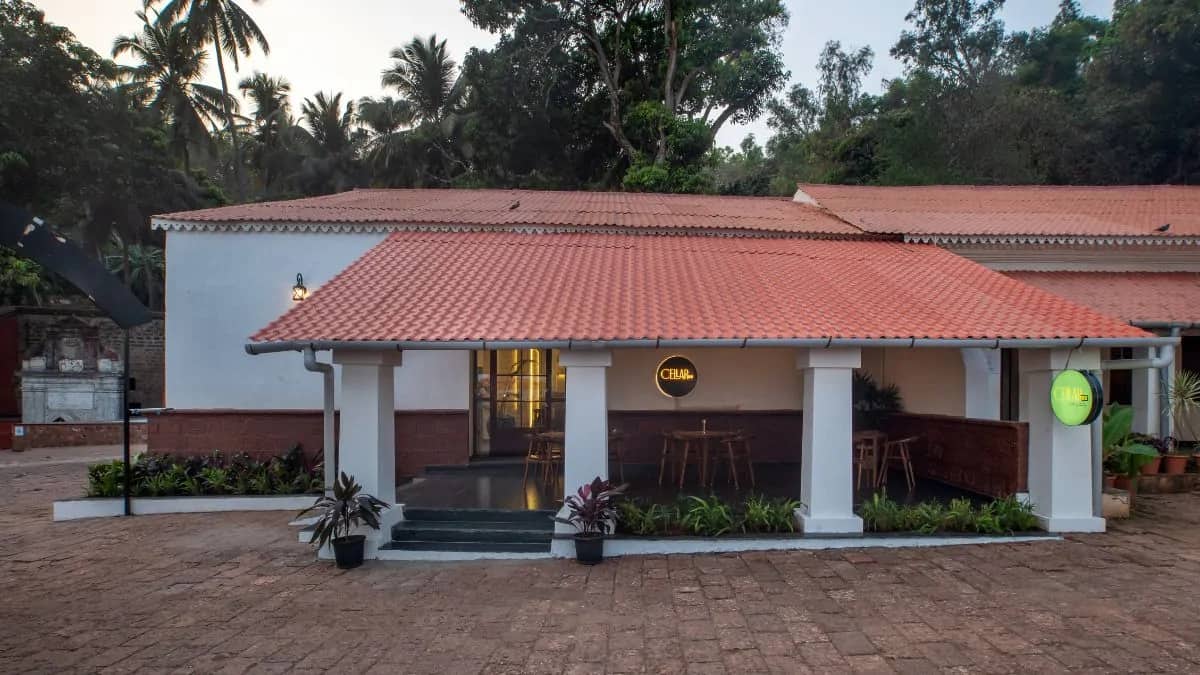
At Cellar 1612, situated within Goa’s historic Aguada Jail Complex, Chef Jaskaran approaches this idea through a menu that brings familiar Indian flavours together with Goan influences and global culinary techniques. The restaurant inhabits a space that once served as a women’s cell, delivering the dining experience a link to the past even as the food looks towards modern gastronomy. From a khakara platter as the starter that is served with mango and beetroot pachadi to the stories conveyed by the restaurant’s team, the experience centres on rediscovering the familiar tastes. For Chef Jaskaran, innovation is not about leaving the tradition; it is about discovering new ways to keep it suitable and memorable.
Reimagining Familiar Flavours Without Losing Their Meaning
Some of the strongest food memories come from the easiest things: a familiar aroma, a precise blend of ingredients or a dish that is prepared by someone at home. For Chef Jaskaran, these memories offer a starting point for any culinary creativity. The challenge is to maintain what makes a flavour unique while finding ways to deliver it differently.
At Cellar 1612, this practice comes through in the khakara platter. The crispness of khakara meets the contrasting colours, tastes and textures of the dips, giving familiar Indian ingredients a modern presentation. The aim is to surprise guests while still giving them a sense of familiarity.
As Chef Jaskaran explains, the intention is not to make a dish complex just to make it look modern. Every component must have a goal, whether it adds flavour, texture or colour. When recreating a dish from memory, the most essential thing to preserve is its soul and the local touch that it has. The final preparation might look distinct from the original, but the flavour or emotion linked with it should remain recognisable, he further adds.
This process echoes the ethos of World Food Day 2026. Innovation can start with ingredients and culinary practices that already exist, urging people to experience them in new ways without losing view of their origins.
Bringing Goa To The Table Beyond Conventional Dishes
Goa's food culture has been shaped by its local elements, coastal geography, regional customs and various culinary influences. For Chef Jaskaran, celebrating this uniqueness does not mean restricting every preparation just to a traditional Goan recipe. It also means researching the region's character through flavours, ingredients and the overall dining experience.
Cellar 1612 brings together Goan influences, familiar Indian food and global strategies, letting the menu appeal to contemporary diners while maintaining a connection to its surroundings. The idea is to appreciate the destination without limiting creativity to just one type of cuisine.
The restaurant's location adds another dimension to this process. Located within the historic Aguada Jail Complex, Cellar 1612 maintains the character of the original stone architecture and restored cell doors. The space that once served as a women's cell, and its history, give the restaurant an essence that extends beyond the food.
(Image Credit: Cellar 1612)
The surrounding views of the Mandovi River and the backwaters meeting the Arabian Sea further link the experience to Goa's terrain. Handcrafted cocktails such as a cucumber gimlet, where fresh cucumber meets zingy ginger and aromatic coriander, and an open-air sundowner setting let the restaurant evolve through the day, from close dining occasions to cosy evenings by the bay.
Here, the link to Goa comes through not only in what guests eat, but also in where they dine and how they experience the place.
When The Setting Becomes Part Of The Story
For Chef Jaskaran, the relationship between food and its surroundings is paramount to Cellar 1612. The purpose was never just to serve a meal within a historic building. Rather, the restaurant was envisioned as a place where the history of the space, the food on the table and the guest's overall experience could come together.
The original architecture tells one part of the story, whereas the menu presents another through ingredients, culinary influences and contemporary display. The result is an experience in which the past stays visual without explaining every aspect of the present.
This approach also mirrors how food traditions can persist and grow. A familiar ingredient may be shown differently, a regional taste may appear in a surprising combination, and a historic space may become a setting for new culinary innovation. The underlying connection to place and memory remains significant even as the interpretation shifts.
Food Is Also About The People Behind It
Beyond just the ingredients and presentation, Chef Jaskaran thinks food carries the emotions and experiences of the people connected to it. A dish may remind someone of home, a regional custom or a person who first introduced them to a certain flavour. These simple associations can make an ordinary meal significant.
At Cellar 1612, this connection goes beyond the kitchen. The culinary team puts thought into creating each dish, while the service team helps guests know the inspiration behind each dish, the ingredients used and the traditions that inform individual preparations. Explaining these details can turn a meal into a chance for discovery.
(Image Credit: Cellar 1612)
World Food Day is also a moment to remember the people whose work makes every meal possible. The journey extends from those who grow and source ingredients to the chefs who make them and the service professionals who bring the finished dishes to the table. Their knowledge, skills and efforts are an essential part of food culture.
For Chef Jaskaran, the philosophy at Cellar 1612 is to 'serve the story, not just the table.' It captures the idea that food can communicate something about its roots, the people behind it and the memories it makes.
In a restaurant where history is built into the walls, this concept feels particularly appropriate. Cellar 1612 brings the past into conversation with modern food, letting heritage, creativity and hospitality share the same table. Eventually, the hope is that guests leave with more than the memory of a good meal: they take away a story, a finding and a greater appreciation for the many connections that make food significant.