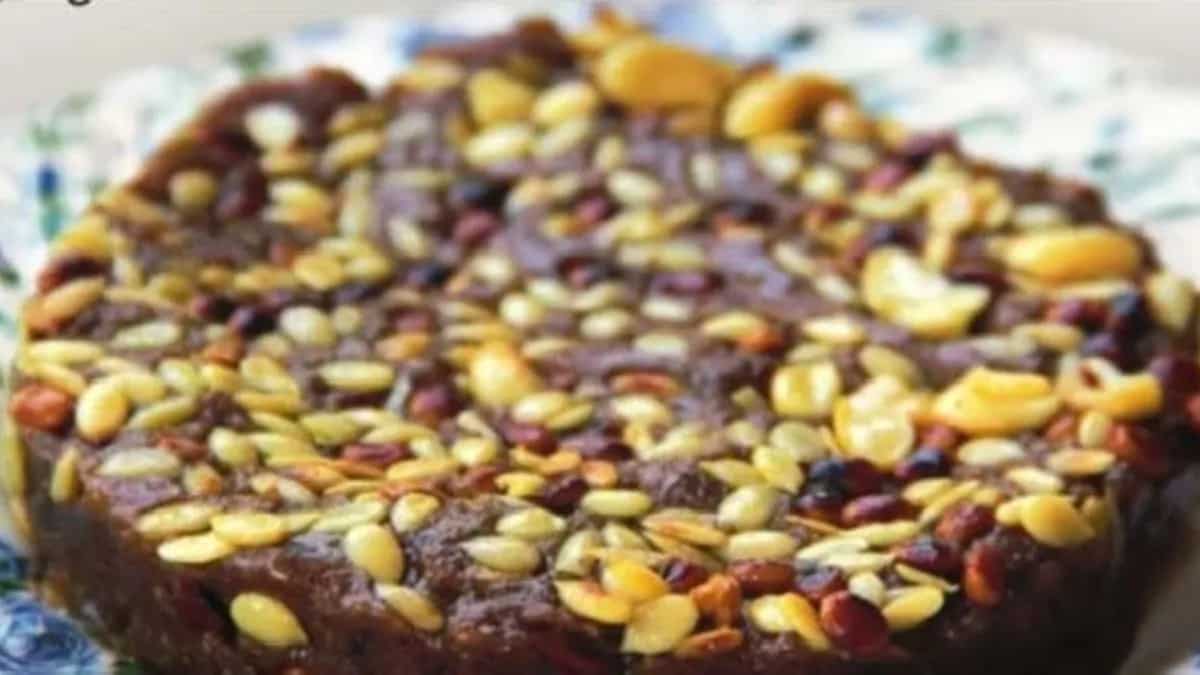
As the amber hues of autumn fade into the crisp, biting air of a Gujarati winter, kitchens across the region undergo a ritualistic transformation. In the traditional Gujarati household, winter is not merely a season to be endured, but a period for internal fortification. At the heart of this seasonal shift lies Vasanu; a potent, complex, and deeply nourishing herbal fudge that serves as both a culinary masterpiece and a preventative medicinal tonic. Unlike standard confections, Vasanu is a functional food in the truest sense. It is a carefully calibrated assembly of over thirty ingredients, each selected for its ability to generate internal heat (ushna), bolster the immune system, and lubricate the joints during the dry, cold months.
Image credit: Parsi Cuisine
The Philosophy Of Winter Nourishment
In Ayurvedic tradition, winter is the season when the Agni (digestive fire) is at its strongest. The body instinctively craves richer, heavier foods to maintain core temperature. Vasanu is designed to satisfy this biological demand while simultaneously delivering a concentrated dose of therapeutic herbs.
The primary objective of consuming Vasanu is recovery and rejuvenation. It is traditionally prescribed for:
- Postpartum Recovery: New mothers consume it to regain strength and stimulate lactation.
- Joint Health: The inclusion of edible gums and resins helps combat the seasonal aches associated with Vata imbalances.
- Respiratory Resilience: Ingredients like dried ginger and peppercorns act as a shield against seasonal phlegm and congestion.
Image credit: Freepik
The Anatomy Of Ingredients
The complexity of Vasanu lies in its balance. Each ingredient plays a specific role in the body’s winter maintenance.
1. The Binding Agents: Ghee and Jaggery
Pure cow’s ghee serves as the vehicle (anupana) for the herbs, ensuring that fat-soluble vitamins and alkaloids are efficiently absorbed by the body. Jaggery (gur), being unrefined, provides a steady release of energy and a rich iron content, avoiding the inflammatory spikes associated with processed sugar.
2. The Functional Roots
Ganoda (Dried Ginger Powder): Known for its thermogenic properties, it aids digestion and keeps the body warm from within.
Ganthoda (Peepramul): This root is specifically prized for its ability to treat gastric distress and joint pain.
3. The Power of Resins
Gund (Edible Gum/Acacia Resin) is perhaps the most critical component for structural health. When deep-fried in ghee, it puffs up like popcorn. Once ground, it provides a unique crunch and serves as a powerful agent for strengthening bone density and lubricating synovial joints.
4. Seeds and Nuts
A medley of poppy seeds (khus khus), melon seeds, almonds, and pistachios provides the essential fatty acids and protein required for cellular repair.
Image credit: Parsi Cuisine
The Traditional Recipe
Creating Vasanu is an act of patience. It is typically prepared in large batches in December to last throughout the winter months.
Ingredients
- 500g Whole wheat flour (coarsely ground)
- 500g Pure grass-fed Ghee
- 750g Organic Jaggery (finely chopped)
- 100g Gund (Edible gum), crushed
- 50g Ganoda (Dried ginger powder)
- 50g Ganthoda powder
- 200g Mixed nuts (Almonds, Cashews, Walnuts), coarsely ground
- 50g Batrisu (A pre-mixed blend of 32 Ayurvedic herbs available in Indian apothecaries)
- 2 tbsp Poppy seeds
- 1 tsp Cardamom powder
- A pinch of Saffron strands
Method
- Heat a portion of the ghee in a heavy-bottomed kadai. Fry the gund in small batches until it puffs up completely. Drain and set aside. Once cooled, crush it into a coarse powder using a rolling pin.
- In the remaining ghee, add the wheat flour. Roast on a slow flame, stirring continuously. This is the most crucial step; the flour must turn a deep golden brown and release a nutty aroma without burning.
- Once the flour is roasted, turn off the heat. Add the ganoda, ganthoda, and the batrisu powder. The residual heat is sufficient to cook these delicate herbal powders without destroying their volatile oils.
- Add the chopped jaggery to the warm mixture. Stir vigorously until the jaggery melts and incorporates fully into the flour and ghee.
- Fold in the crushed gund, ground nuts, poppy seeds, and cardamom. The mixture will be thick, glossy, and intensely aromatic.
- Transfer the mixture into a greased tray, leveling it with a spatula. While still warm, mark it into square pieces. Allow it to set for 4–6 hours.
Consumption And Benefits
Vasanu is not a dessert to be eaten in abundance. Because of its high potency, it is traditionally consumed in small quantities; usually a single square (approx. 30g) early in the morning on an empty stomach, followed by a glass of warm milk.
Recovery Benefits
The high calorie density is intentional. For those recovering from illness or the physical toll of childbirth, Vasanu provides a slow-burn energy. The inclusion of batrisu (the 32-herb mix) ensures that the endocrine system is supported, helping to regulate hormones and improve sleep quality during the shorter days.
Digestive Health
While heavy, the combination of ginger and jaggery acts as a digestive stimulant. It prevents the sluggishness often felt during winter, ensuring that the metabolic rate remains optimal despite lower physical activity levels.
Note: Due to the heating nature of the herbs, Vasanu is strictly a winter preparation and should be avoided during the hot summer months.