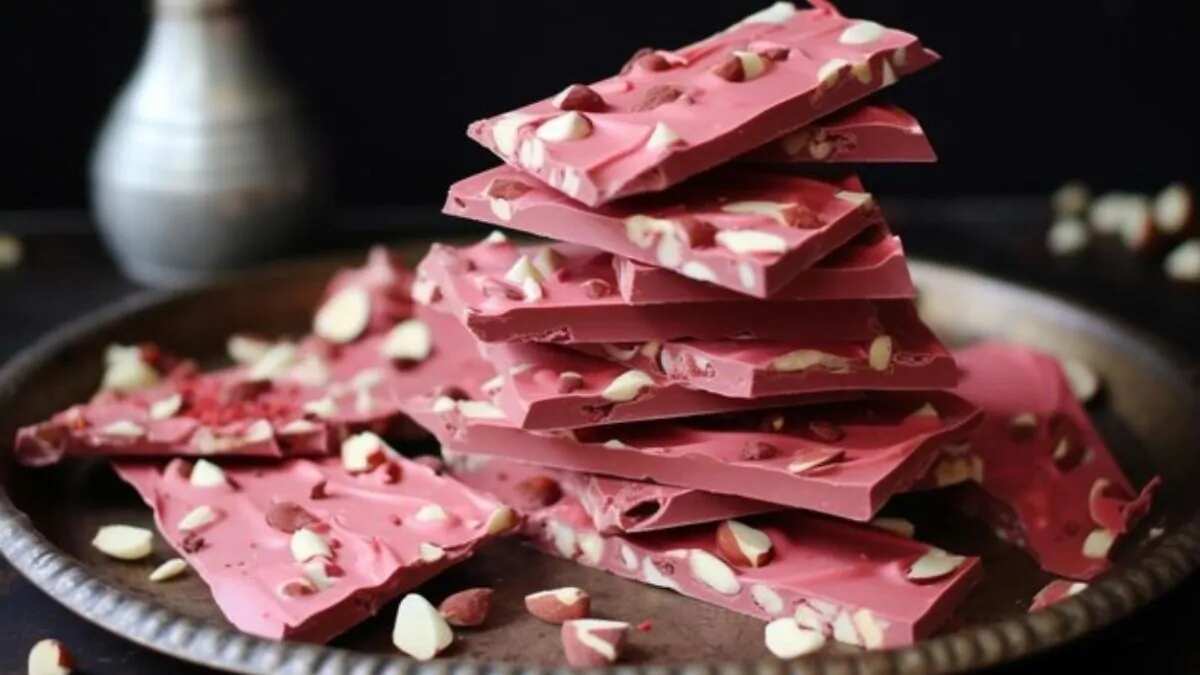
For many years, chocolate shelves felt very predictable. Dark chocolate was known for the intensity, milk chocolate for the comfort, and white chocolate for the sweetness. Then arrived ruby chocolate, which was naturally pink, fruity, visually impressive, and immediately fascinating. When it first launched worldwide in 2017, ruby chocolate made a curiosity among many, but never quite managed to enter mainstream dessert culture, particularly in India. Almost a decade later, however, it unexpectedly feels impossible to ignore.
From luxury dessert counters and café menus to the gourmet gifting boxes and viral social media trends, ruby chocolate is getting a second wave of attention. Though unlike many short-lived food trends, many experts believe this revival is linked to something bigger than just the aesthetics.
According to L Nitin Chordia, India’s first Certified Chocolate Taster and Co-Founder of Cocoashala Incubator, what people are noticing now is not the arrival of a “new chocolate”, but the comeback of a variety that perhaps arrived before the consumers were fully prepared for it.
“Ruby chocolate was launched long before social media had the kind of influence that it has today on food trends,” he explains. “Its visibility now is the outcome of many things merging, like changing consumer tastes, café culture, premium dessert branding, and a growing interest around new sensory experiences.”
So, what exactly is Ruby Chocolate?
One of the greatest misinterpretations around ruby chocolate is that it is artificially coloured or flavoured up with berries. However, the truth is that ruby chocolate gets its pink hue and fruity sharpness naturally from specially processed cocoa beans. To satisfy the curiosity, it has no berries.
Chordia further explains that the exact production process stays largely proprietary, which is why ruby chocolate persists in feeling mysterious even years after it has been launched. What makes it distinct, however, is its taste profile. Unlike the bitterness of dark chocolate or the sweetness of milk chocolate’s creamy sweetness, ruby chocolate tastes lighter, tangier, and a bit fruit-forward.
“It sits somewhere between the traditional chocolate and fruit,” Nitin further says. “That combination did not actually exist within the mainstream chocolate types before.”
The result is a chocolate that feels fresher and brighter, especially compared to richer dessert flavours consumers traditionally associate with chocolate.
While the exact production process remains proprietary, ruby chocolate is not known for depending on artificial colours or fruit flavourings to create its identity.
(Image credit: Freepik)
Why Is Ruby Chocolate Trending Again?
The revived popularity of ruby chocolate says a lot about how the food culture itself has transformed over the past few years.
At present, consumers are increasingly lured towards originality, visual storytelling, and the flavour experiences that feel much lighter rather than being overly indulgent. Ruby chocolate fits flawlessly into that transformation. Its pink colour photographs beautifully, making it naturally appealing to the cafés and dessert brands attempting to stand out in the age of food trends. But visual appeal alone cannot maintain a product category for about ten years.
Rather, ruby chocolate seems to be profiting from a more developed dessert audience. Consumers are now more willing to study origin-specific chocolates, unusual cocoa percentages, and fully new flavour experiences.
Café culture has also revved its comeback. Speciality patisseries and dessert studios continually search for ingredients that feel premium and also distinctive. Ruby chocolate, however, offers both.
“It gives brands a strong visual identity, but also a completely different sensory experience,” Chordia adds.
Chordia points out that ten years ago, many consumers were picking between dark, milk, and white chocolate. Today, they are far more ready to explore entirely new flavour territories.
Why Chefs Prefer Using Ruby In Chilled Desserts
Interestingly, ruby chocolate works particularly well in summer desserts and chilled preparations. Pastry chefs have begun to use it increasingly in mousses, cheesecakes, parfaits, entremets, gelatos, and plated desserts because its fruity acidity remains expressive when it is served cold.
Unlike the heavier chocolate desserts, ruby-based creations feel much lighter and also fresher while still having richness in every bite. That balance has made it particularly famous in modern café desserts and also in luxury gifting.
Still, experts believe that ruby chocolate’s future will eventually depend on flavour rather than just the colour alone.
“Ingredients driven simply by aesthetics rarely survive past novelty,” adds Chordia. “Ruby chocolate’s biggest achievement is not making pink chocolate. It established that consumers are still willing to embrace fully new sensory experiences in a category as mature as chocolate.”
(Image credit: Freepik)
Easy Ways To Use Ruby Chocolate
Here are some easy, creative ways in which ruby chocolates can be used:
Melt It Into Cheesecake Ganache For A Bright, Tangy Finish
Ruby chocolate works beautifully in cheesecakes because its natural, fruity sharpness cuts through the heavy creaminess agreeably. Rather than making the dessert feel too rich, it adds freshness and a bit of berry-like brightness that feels particularly good during the summer season.
Use It In Chilled Mousses, Parfaits, And Summer Desserts
Ruby chocolate functions quite well in cold desserts because its acidity and light cocoa notes remain more pronounced when it is chilled. Layered parfaits, airy mousses, cold tart fillings, and gelato-style desserts let its flavour feel much lighter and more refreshing than the traditional chocolate-heavy desserts.
Pair it with fruits and floral flavours that match its brightness.
The chocolate pairs naturally with ingredients like strawberries, raspberries, mangoes, lychee, rose, hibiscus, cherries, and pomegranate because all of them complement its tart fruity notes. These combinations help ruby chocolate feel more balanced rather than overwhelmingly sweet.
Turn It Into Ruby Chocolate Bark With Nuts And Dried Fruits
One of the most effortless ways to use ruby chocolate at home is by making dessert bark. Melted ruby chocolate, when topped with pistachios, almonds, freeze-dried berries, rose petals, or dried fruits, makes a visually amazing snack that feels elegant without requiring any complex baking.
Drizzle It Over Sandos, Waffles, Croissants, And Pancakes
Ruby chocolate works particularly well as a finishing element because of its colour contrast and flavour brightness. A warm croissant or fluffy pancake, when topped with melted ruby chocolate, immediately feels more café-style and visually playful without requiring too many additional toppings.
Use It In Premium Gifting Boxes And Festive Dessert Platters
Luxury dessert brands increasingly use ruby chocolate as it immediately stands out as visually impressive in the festive assortments. Ruby truffles, coated nuts, chocolate slabs, dipped strawberries, and handcrafted bonbons add colour variety while also giving dessert boxes a more modern and premium look.