Fermented foods are not only special dishes but also a significant component of everyday meals in Northeast India. In order to preserve food for extended periods of time, people in the area rely on their natural environment. This keeps them fed and ready for challenging times. These culinary customs are preserved by ancient knowledge systems that have subtly safeguarded the lives of those who adhere to them. A profound comprehension of the land, rivers, and seasons lies at the core of this knowledge. How food is collected, kept, and shared is determined by this intimate connection to the natural world.
In conversations, you might have often heard about the Mising, also spelt as Mishing community. They are indigenous people, sometimes known as the Miri, who live in Assam and Arunachal Pradesh. When it comes to the food, the Mising community from Assam has a few interesting fares. These culinary preparations add to Assamese exotic cuisine. The Mising people of upper Assam produce namsing, a fish paste which is one type of fermented cuisine.
What is Namsing?
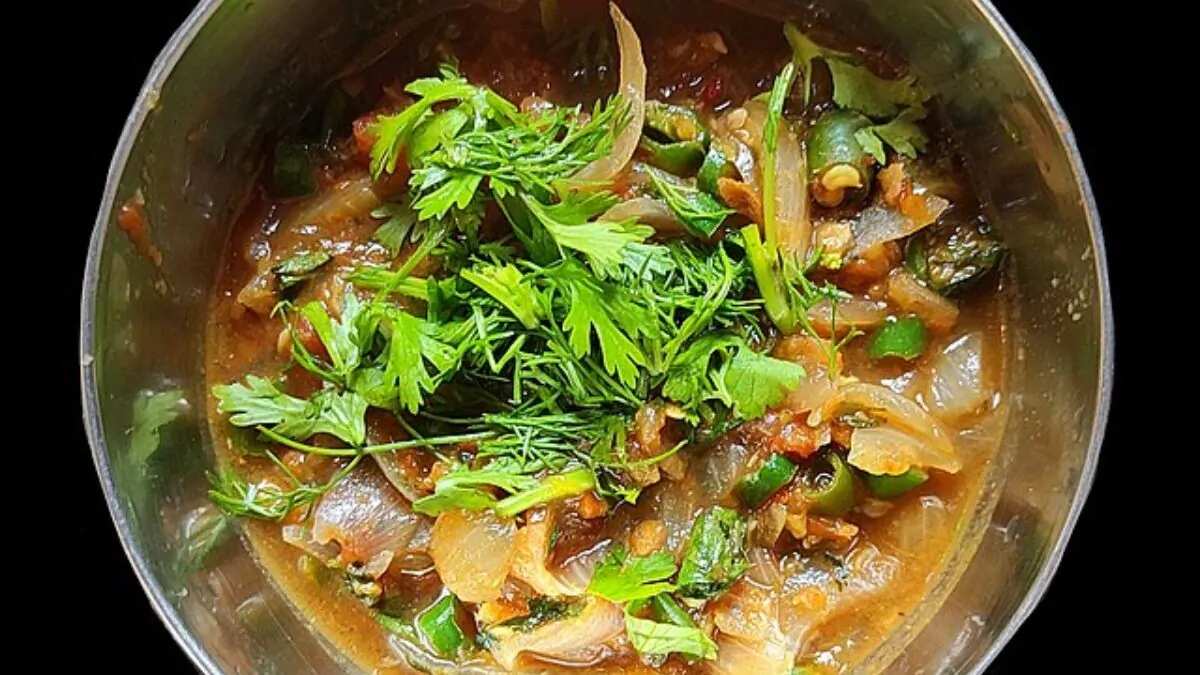
The straightforward yet ingenious method of smoking fish to preserve it gave rise to namsing, a fermented fish paste. The paste can be stored for up to two years after fermentation, making it a valuable diet during periods when fresh ingredients are hard to come by. Nets are frequently thrown right outside homes due to the abundance of fish, yet the catch is sufficient to feed people for weeks. The Mising community's riverine terrain, which is sculpted by several rivers and other bodies of water, is the source of this wealth.
Image Credit: Wikimedia Commons
New batches of namsing are still being made at Beloguri hamlet, which is close to Agoratoli on the eastern border of Kaziranga National Park and Tiger Reserve. Many families in the village take part in how the fish paste is prepared at their houses, carrying on a custom that has been passed down through the ages.
How Is Namsing Made?
The availability of hatchlings, or the young of freshwater carps, barbs, and other smaller riverine fish species, is essential for namsing. The Mising people typically do not make the paste with large fish, though the species mix may differ depending on the region. In 2013, a team of professionals from the fishing industry examined the nutritional content of namsing and highlighted the reasoning behind choosing small fish.
Small fish, sometimes referred to as "trash fish," deteriorate quickly. They are more susceptible to microbial activity due to their neutral pH, particularly in warm, humid environments. Because of this, they are challenging to transport or store without some kind of preservation. Because there are more fish available in the market during the monsoon, larger and more valuable fish become more affordable.
According to a 2013 study by researchers at the Indian Council of Agricultural Research, individuals then favour purchasing large fish to cook right away. This leads to an overabundance of tiny fish. Communities retain these smaller fish for future use rather than discarding them. These fish can be securely kept and consumed during lean seasons when fresh fish is more difficult to get, thanks to fermentation and other conventional techniques.
How Mising Community Turns Monsoon Catch Into Namsing
There are numerous local sources of fish. The people in the community can catch them during floods without having to travel far or venture far into the water. There is enough fish to last a month, even when nets are thrown directly outside their houses. Even a little stream or a paddy field has an abundance of fish when the water level drops after the rain. This is plenty to make numerous batches of namsing.
Image Credit: Wikimedia Commons
During the rainy season, the community goes fishing together. It starts with the sowing of Bao dhan, a red rice that can withstand flooding. This rice has a lengthy shelf life in deep water. As a result, Bao's paddy fields provide a natural habitat for a variety of fish, particularly carps.
By nightfall, the majority of them set Sepa, a bamboo fish trap, in a nearby body of water. Temporary bamboo barriers with tiny gaps are used to divide marshes and small ponds. The Sepa, which resembles a long bamboo cylinder, traps fish that swim through these openings. They had enough fish for the whole family by early morning. The leftover fish are gathered by neighbours and transported to the market. When fishing, women typically use a triangular-shaped bamboo tool called a jakoi to scoop fish out of shallow water. The Mising community's women swiftly divide the labour and start making the namsing fish paste.
Preparation Of Namsing
Small fishermen in Assam are familiar with the khaloi, a woven bamboo basket used to collect the catch. Every fish is meticulously washed, rubbed with salt water, and placed on a chaloni, which is a flat bamboo sieve, in the sun. The fish are allowed to dry outside for three or four days. According to elders, this is best done by the powerful post-monsoon sun. The chaloni is brought inside at night and suspended four or five feet above the fire on a perup, a bamboo platform. There, over the course of the night, the fish gradually acquire flavour and time from the smoke.
After the smoked fish solidifies, it is crushed into a paste and combined with turmeric, taro, ferns, and sponge gourd leaves from the area. The majority are harvested from the backyard, where ferns are collected close to the water and sun-dried. Every leaf has a function. Ferns keep insects away, taro helps fermentation, and the others are valued for digestion, healing and relief from pain. Together, they give namsing its flavour and strength.
Namsing Fermentation Is A Symbol Of Survival
Preparing and storing namsing is done collaboratively. Using fresh bamboo shoots, they make bamboo tubes to hold the paste. They bring up a large wooden grinder from a neighbour. The women assemble to work in the courtyard. The dried fish is added first, followed by the leaves, turmeric, green chillies, and the spicy bhut jolokia. To create a thick paste, the mixture is gradually crushed by hand.
Image Credit: Wikimedia Commons
The courtyard is filled with the constant sound of grinding. When the paste is ready, it is firmly packed inside the bamboo tubes. A fresh taro leaf is placed inside to keep insects away, and paddy straw is used to seal the opening. Clay is added on top to close it firmly. The tubes are then kept above the kitchen fire, where the warmth helps the paste ferment safely. The namsing is ready to eat after a month.
When fresh fish is scarce, such as during floods or lean seasons, it becomes particularly crucial. For many Mising households, it continues to be the most economical source of protein and creates a satisfying dinner when combined with steaming rice.