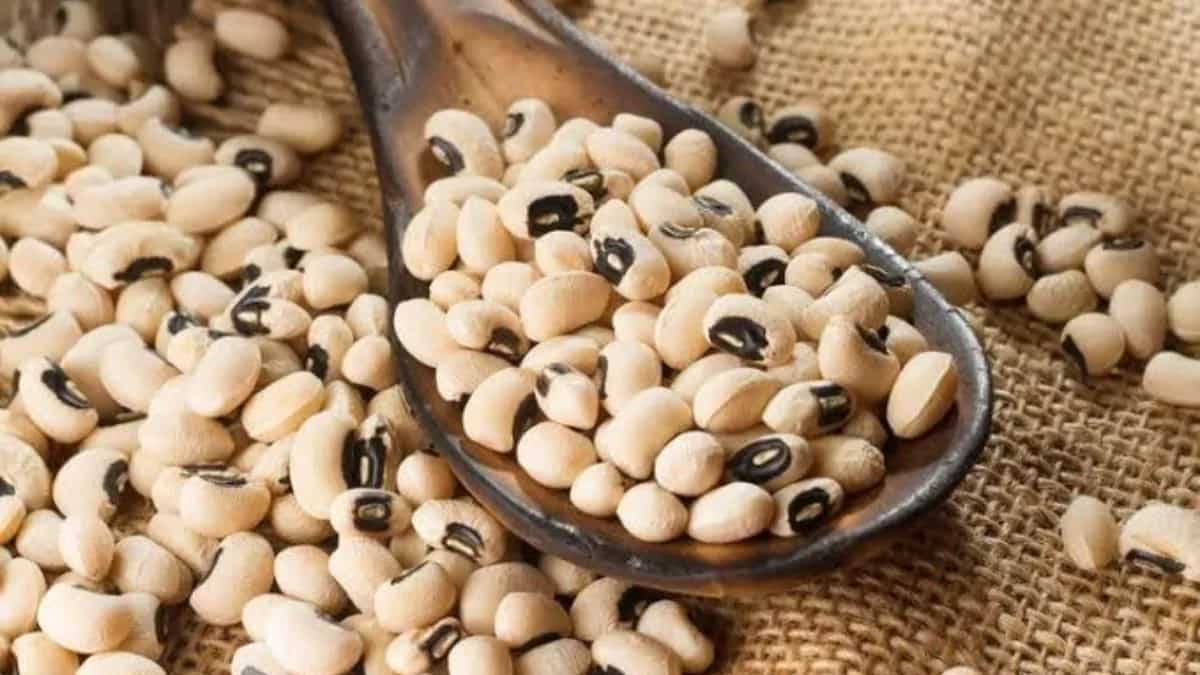
Lobia, or cowpea or black-eyed peas, is one of those pulses that is often ignored. For many, it is linked to childhood memories as an ingredient that they had to eat forcefully. However, when cooked nicely, lobia can turn out to be a comforting dish, filled with flavour. Its light, nutty taste soaks up the spices beautifully, making it a loved pulse across many Indian kitchens and in regional cooking. Beyond just the adaptability, lobia is also a powerhouse of nourishment, making it an effortless way to fulfil the demand of everyday essential nutrition.
From its use in North Indian gravies to South Indian curries, every region has its own way to prepare lobia in a way that feels delectable. If you also belong to the category that skips lobia thinking it's bland and has no taste, try giving it another chance, and it might just become one of your favourite dishes.
Why Lobia Is Worth Adding To Your Diet
Lobia is much more than just being an inexpensive pantry staple. As per the ICAR–Indian Institute of Pulses Research (IIPR), cowpea is filled with dietary fibre, plant-based protein, iron, potassium, folate, and antioxidant compounds, making it an amazing pulse that is suitable for a balanced diet.
Likewise, the ICMR–National Institute of Nutrition's Dietary Guidelines for Indians (2024) suggest including various pulses in everyday meals to improve overall quality of diet and also boost protein intake. Together, these qualities make lobia a wholesome pulse that is both healthy and easy to add in everyday meals. With the correct recipe, this simple pulse can effortlessly turn out to be one of the most enjoyable dishes in your weekly meal plan. Here are 5 regional ways in which you can cook lobia:
Punjabi Lobia Masala
In Punjab, lobia is cooked with chopped onions, tomatoes, ginger, garlic and everyday spices to make a rich curry, like rajma. The gravy is thick, lightly spicy and pairs perfectly with steamed rice or rotis. Unlike rajma, lobia gets cooked much faster while still giving a hearty texture. The masala sticks beautifully to the beans, making every bite full of taste.
(Image credit: Freepik)
Rajasthani Lobia Ki Sabzi
Rajasthani cooking style of lobia shows resourceful cooking traditions. In place of a rich gravy, cooked lobia is simply stir-fried with everyday spices such as cumin, asafoetida, dry red chillies, turmeric, coriander powder and a spoonful of amchur to get a tanginess.
The sabzi pairs perfectly with bajra roti or missi roti, their staple. Since pulses have always been an essential source of protein in Rajasthan's dry climate, this dish remains a staple in many households. It has bold spices and a tangy taste, making it both enjoyable and satisfying.
Tamil Nadu Karamani Kuzhambu
Known as karamani locally in Tamil Nadu, lobia is changed into a delightful tamarind-based curry that has South Indian flavours. The beans are cooked with shallots, garlic, tomatoes, mustard seeds, curry leaves and some sambar powder, whereas tamarind adds a satisfying tang that perfectly balances the earthy taste.
Some people also grind fresh coconut into the gravy to add some extra richness. The curry is generally served with steamed rice, making it a whole meal that is enjoyed as an everyday food. The blend of spices, tamarind and curry leaves makes an aromatic dish that is light but also full of taste.
Maharashtrian Chawli Usal
In Maharashtra, chawli usal is a traditional home-style preparation that uses simple ingredients to make this sumptuous meal. The cooked lobia is simmered in a gravy made of onions, tomatoes, mustard seeds, turmeric and green chillies and then garnished with freshly grated coconut and coriander leaves before serving.
To give a warm and a bit sweet taste, many household also adds goda masala to it. Unlike the thick North Indian style gravy, usal has a light texture, making it perfect to pair with pav, bhakri or even steamed rice.
(Image credit: Freepik)
Kerala Vanpayar Curry
In Kerala, vanpayar curry represents how coconut and spices can totally change a simple pulse such as lobia. The cooked beans are blended with shallots, curry leaves, black pepper, roasted coconut and fragrant spices to make a lightly spiced but deeply flavourful curry.
Unlike the tomato-based preparations, the richness is derived from coconut, giving the dish a creamy texture and nutty undertone. It is traditionally served with puttu, appam or Kerala-style red rice. The slight flavours let the earthy taste of the beans shine, without overpowering it.