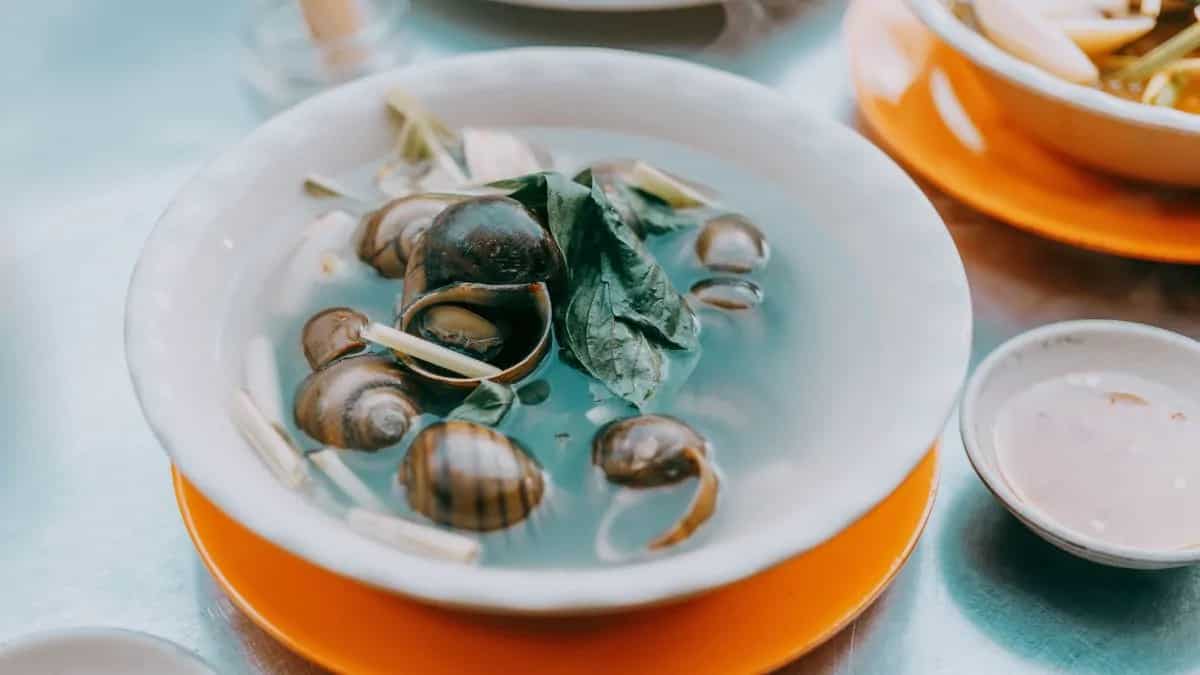
When the monsoon clouds burst over the subcontinent, they bring more than just relief from the sweltering heat. The torrential rains breathe life into dormant paddy fields, rivers, lakes and village ponds. With this sudden burst of water comes a unique and highly prized ingredient cherished by indigenous communities across the country for generations. We are talking about the freshwater snail. While fine dining restaurants around the world often serve escargot baked in rich garlic butter, the rural landscape of India boasts an array of spicy, earthy and deeply comforting snail preparations. For many agricultural and tribal communities, gathering these creatures has been a fun, communal monsoon tradition for centuries. Rich in lean protein, exceptionally low in fat and packed with vital minerals like iron and calcium, snails offer a highly nutritious meat. Because the meat has a mild taste, it acts like a sponge, absorbing the pungent and fiery regional spices beautifully.
Regional Variations Of Freshwater Snails Across India
The consumption of this shelled delicacy spans across several states, each bringing its own local flavours and cooking techniques to the forefront. In West Bengal and Odisha, these tiny freshwater creatures are known locally as gugli. They have been a common sight in village markets the morning after a heavy shower for as long as anyone can remember. The people of Bengal and Odisha often cook them with pungent mustard oil, potatoes and a blend of classic local spices. The meat is mostly extracted before cooking to create dry, spicy side dishes that pair perfectly with rice.
Moving towards Bihar, Jharkhand and Uttar Pradesh, the larger apple snails are widely known as ghonghi. Rural communities consider them a powerful superfood, widely believed to be especially beneficial for joint health, improving eyesight and building immunity against seasonal diseases. They are typically curried with a robust blend of garlic, coriander and turmeric, and are often eaten right out of the shell, making the dining experience highly interactive and flavourful.
Image credit: Pexels
In the North East states like Manipur, Assam, Tripura and Nagaland, snails have formed an integral part of the traditional monsoon diet for centuries. In Assam, they are playfully called jol kukura, meaning water chicken. The Bodo community prepares them beautifully with black lentils to create a hearty, protein rich meal. Meanwhile, the Meitei community of Manipur prepares a famous stew using fermented fish and indigenous herbs, an absolute staple during the rainy months.
In the coastal state of Goa, the consumption of river snails, locally referred to as guleo, is a seasonal delight found in riverine belts. Often gathered from the banks of the Mandovi or Zuari rivers during the rainy season, they are typically prepared by local communities in a spicy, coconut based masala, reminiscent of classic Goan curry bases, or tossed in a dry stir fry with minimal spice to let the natural flavour shine through.
Image credit: Pexels
In Southern India, certain indigenous tribes and rural pockets in Karnataka, Tamil Nadu and Kerala also consume them, though it remains a highly niche practice. The Siddi community in the forested regions of Karnataka, for instance, prepares a special dry curry known as gulle sukka, using freshly gathered wild spices, souring agents and freshly ground coconut.
Snail Foraging And Preparation Guidelines
Foraging safely requires a bit of practical knowledge and caution, a wisdom passed down through generations. Never consume snails found in polluted urban drains, stagnant city water or pesticide heavy commercial farming fields. It is always best to source them from organic paddy fields, clear natural ponds or trusted local village markets where the vendors gather them fresh. Also, remember that wild snails naturally carry parasites and bacteria from the mud. Therefore, they must be thoroughly cooked. Consuming them raw or undercooked is highly dangerous and can lead to severe stomach ailments.
Image credit: Adobe Stock
Cooking these shelled creatures requires patience and rigour. You cannot simply wash and fry them. They need thorough cleaning to rid their digestive tracts of mud, grit and impurities before they ever touch a hot pan. The first step is purging the mud, which takes between twenty four to forty eight hours. Keep the live snails in a large pot of clean water and change the water every few hours. Some people add a handful of raw rice grains or a little wheat flour to the water, which helps the creatures flush out their digestive systems completely.
Once purged, you must scrub the outer shells vigorously using a stiff brush for about fifteen minutes to remove algae and dirt. Rinse them repeatedly under running water until the water in the bowl runs completely clear. Following this, submerge the cleaned shells in rapidly boiling water with a generous pinch of salt and turmeric powder for twenty minutes. This crucial step sanitises them and helps detach the tough meat from the inner walls of the shell. Once cooled down, use a safety pin or a sharp toothpick to gently pull the meat out. Discard the hard operculum or the trapdoor and the dark digestive tract located at the end of the tail before washing the extracted meat one final time.
Image credit: Pexels
Gugli Chorchori Recipe From West Bengal
This is a dry, spicy stir fry that highlights the earthy flavour and chewy texture of the gugli. It pairs perfectly with steaming hot white rice and a simple yellow lentil soup. To prepare this dish, you will need two hundred and fifty grams of cleaned gugli meat, two medium potatoes diced into small cubes, one large finely chopped onion, a chopped tomato, two green chillies slit down the middle, a teaspoon of ginger garlic paste, half a teaspoon of turmeric powder, a teaspoon of cumin powder, two tablespoons of pungent mustard oil and salt to taste.
Heat the mustard oil in a heavy pan until it smokes gently. Reduce the heat and fry the diced potatoes until they turn golden brown. Remove them and set aside on a plate. In the same oil, add the chopped onions and green chillies. Sauté until the onions turn translucent and soft. Add the ginger garlic paste, tomatoes, turmeric and cumin powder. Cook the masala vigorously until the oil separates from the edges. Add the cleaned gugli meat and salt. Stir well to coat the meat evenly in the spices. Add a small splash of water, cover the pan and simmer for about ten minutes. Finally, add the fried potatoes back into the pan. Cook uncovered until all the moisture evaporates and the spicy mixture clings tightly to the meat and potatoes before serving hot.
Image credit: Wikimedia Commons
Ghonghi Curry Recipe From Bihar
This is a robust, rustic curry that is traditionally enjoyed with rice or flatbreads. In Bihar, people often cook ghonghi with the shells on, sucking the flavourful gravy and the tender meat directly from the shell opening. For this recipe, gather five hundred grams of thoroughly cleaned ghonghi with the pointed tail ends clipped off, two large roughly chopped onions, a tablespoon of ginger garlic paste, a teaspoon of coriander powder, a teaspoon of red chilli powder, half a teaspoon of garam masala, three tablespoons of mustard oil, salt to taste and fresh coriander leaves for garnish.
Clipping the tail ends of the shells with a heavy knife is crucial, as it allows the gravy to seep inside during the boiling process and makes it easier to suck the meat out later. Heat the mustard oil in a heavy bottomed pan. Add the chopped onions and fry until they caramelise and turn dark brown. Stir in the ginger garlic paste and cook for an additional minute. Add the coriander powder and red chilli powder, splashing a little water to prevent the dry spices from burning. Toss in the prepared ghonghi shells and mix well, ensuring every shell is heavily coated with the spice paste. Add two large cups of water and the salt. Cover with a lid and let it boil vigorously for twenty to thirty minutes so the tough meat tenderises thoroughly. Sprinkle the garam masala right before taking the pan off the heat and garnish with fresh coriander before serving.
Image credit: Wikimedia Commons
Tharoi Thongba Recipe From Manipur
This is a wonderfully fragrant and fiery dish using indigenous herbs, potatoes and fermented fish to create a complex flavour profile. You will need five hundred grams of cleaned tharoi freshwater snails with tail ends cut, three pieces of ngari which is Manipuri fermented fish, one medium cubed potato, one medium chopped onion, a small handful of fresh Sichuan pepper leaves, a tablespoon of ginger garlic paste, three dried red chillies, a tablespoon of cooking oil and salt to taste.
Image credit: Wikimedia Commons
Roast the ngari over an open gas flame for a few seconds using tongs until it becomes highly fragrant and set it aside. In a deep cooking pot, heat the oil and sauté the onions and ginger garlic paste until fragrant. Add the dried red chillies and the roasted ngari, using the back of your spoon to mash the fermented fish completely into the oil. Toss in the potato cubes and cook for five minutes. Add the prepared tharoi and stir everything together. Pour in just enough water to submerge the ingredients. Add salt and let the earthy stew simmer on medium heat for about twenty five minutes. In the final five minutes of cooking, gently stir in the fresh Sichuan pepper leaves. These specific leaves impart a unique, citrusy, numbing aroma that defines the entire dish. Enjoy this soupy, comforting delicacy with a large portion of steaming sticky rice.