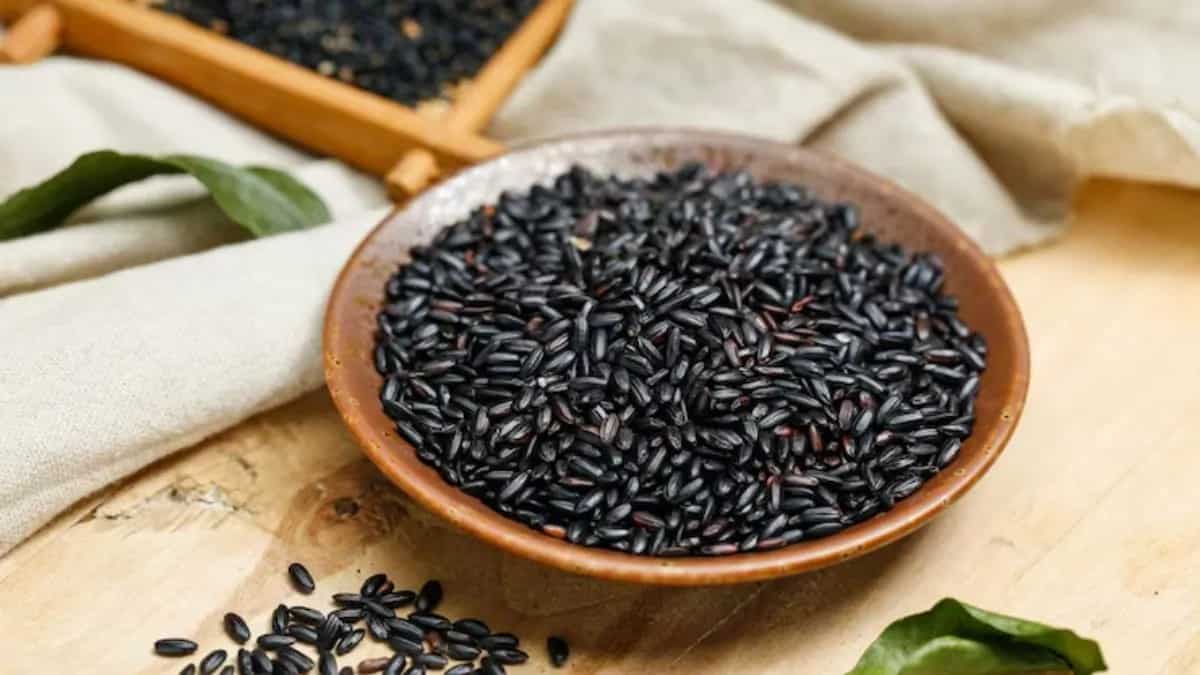
Rice is a staple dish in many Indian homes, but beyond the usual white and brown types is a grain that has been loved in Manipur for years. Chakhao, also called Manipuri black rice, is a classic antique variety loved for its impressive dark purple-black shade, earthy fragrance, and naturally nutty taste. Unlike the artificially coloured rice grains, its rich shade arrives from anthocyanins - the same natural antioxidants that are found in blueberries and blackberries.
In the year 2020, chakhao was also awarded a Geographical Indication (GI) tag, identifying its uniqueness and deep cultural association with Manipur. At present, chakhao is now discovering its way into modern kitchens across India.
Its pleasant consistency, unique taste, and adaptability make it suitable to use far more than just special meals. If you are looking to add a bit of diversity to your pantry, this grain definitely deserves a regular spot in your meals.
Why Chakhao Deserves A Place In Everyday Meals
According to studies from the ICAR, chakhao has an exceptional nutritional profile, including significant amounts of anthocyanins, resistant starch, and antioxidant activity, making it one of India's outstanding rice varieties. Further, an ICAR study also found that Manipuri black rice types like chakhao-1, chakhao-2, and poreiton chakhao have a high total anthocyanin range and antioxidant potential when compared to many other pigmented rice types.
Beyond just the nutritional profile, chakhao is lightly processed, making it more fibre-rich than the regular polished white rice. It also delivers minerals like iron, zinc, and magnesium, along with plant-based protein content.
These qualities make chakhao suited for everyday meals, and it can be used right from steamed rice and pulao to even some traditional desserts. Rather than simply eating regular rice completely, adding chakhao to your meals sometimes is an easy way to enjoy this wholesome grain that adds both taste and variety. Here are some of the easy ways to add this Manipuri grain to your meals:
Swap Regular Rice With Chakhao Once Or Twice A Week
The easiest way to enjoy Chakhao is to swap it with regular rice once or twice a week. When you cook it, the grains will have a deep purple shade and a pleasant chewy texture with a mild nutty undertone. Don't be sceptical about the colour as it pairs perfectly well with everyday dals, curries, grilled chicken, fish, or even with spiced stir-fries.
As it has a more potent flavour than white rice, it makes its own place alongside rich gravies without getting lost. When cooking chakhao, make sure to soak the rice for at least half an hour before cooking to get an even texture and also reduce the cooking time.
Turn It Into A Traditional Manipuri Kheer
One of the most loved dishes that you can make with this purple grain is Chakhao Kheer, a dessert deeply embedded in Manipuri cuisine. Unlike the regular rice kheer, this version has a beautiful purple shade as the rice gets cooked slowly in milk.
It is lightly flavoured with cardamom and then garnished with dry fruits or topped with nuts like the regular kheer. The outcome is a creamy dessert that feels both familiar and distinctive. It's a perfect way to introduce this classic grain to someone who is trying it for the first time.
(Image credit: Wikimedia Commons)
Give Pulao And Fried Rice A Nutty Twist
Rather than using white rice for the regular pulao or vegetable fried rice, try using chakhao for it. Its firm texture controls the grains from turning mushy, while its earthy notes perfectly pair with mushrooms, beans, carrots, sweet corn, paneer, and even seasonal vegetables. Keep the spices light to let the natural taste of the rice be the main character.
You can pair it with grilled meats or tofu to make a wholesome one-pot meal. The deep purple grains make even a simple recipe look more appealing without having to try any complex techniques.
(Image credit: Freepik)
Blend Tradition With Breakfast Recipes
Chakhao should not be limited to lunch or dinner. Leftover cooked rice can effortlessly become part of breakfast as well. Mix it into porridge with some milk, dates, and nuts to make a healthy start to the day, or blend it with yoghurt, fresh fruits, seeds, or some drizzle of honey to make a wholesome breakfast bowl. It can even be added to rice pancakes or to the savoury vegetable patties.