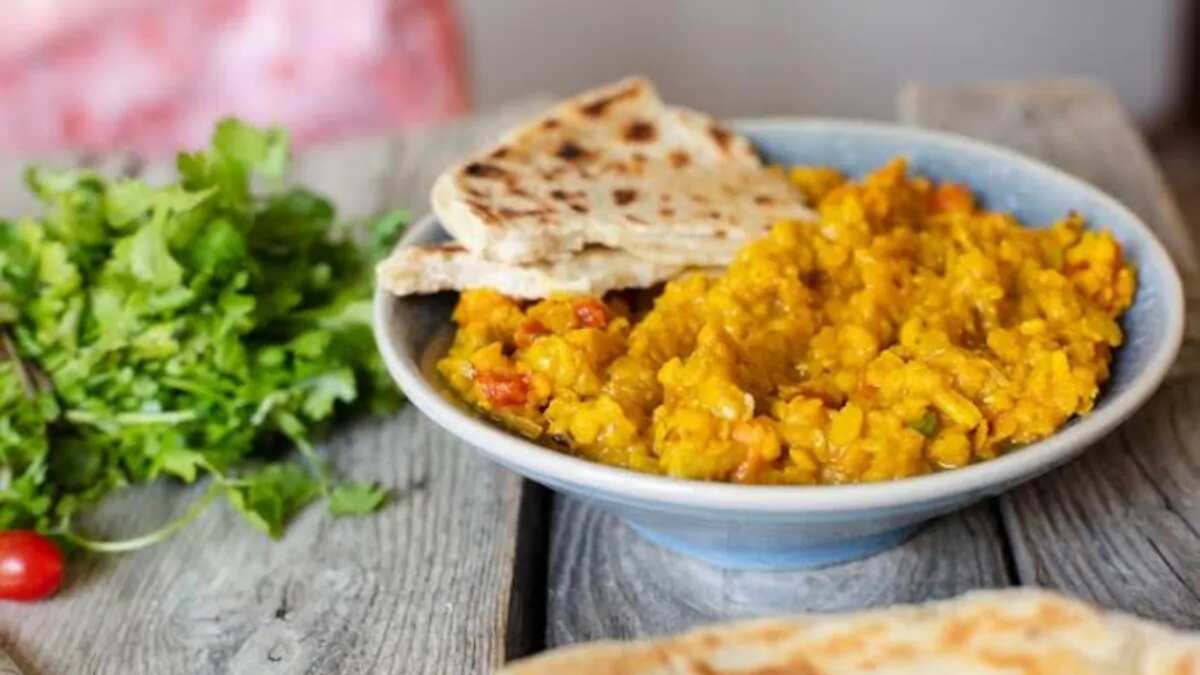
The food between Gujarat and Rajasthan often travels beyond borders. In places like Palanpur, Danta, and Ambaji, the soil stays dry, and the ingredients stay honest. People live close to the land. They cook using ingredients that are found easily: bajra, garlic, curd, buttermilk, urad dal, and gram flour. In these households, there is no division between what belongs to Gujarat and what belongs to Rajasthan. The meals reflect a shared rhythm and the flavours are bold, but not complex. Chutneys are made fresh every day, pickles are stored in large jars on rooftops, and ghee is not measured when added to meals.
As you travel along this quiet belt of land, the food doesn’t announce itself. It does not follow trends. It stays close to what people know. The recipes shared below are still cooked daily. Some are eaten early in the day, some later. Some are served to guests, others are packed for travel. What they all carry is the earthiness of the borderland and the patience of the hands that make them.
1. Lasan Ni Chutney With Bajri Na Rotla (Garlic Chutney With Pearl Millet Flatbread)
In the colder months, especially near Deesa and Danta region, people begin their day with rotla made from bajri flour. It is thick, coarse, and cooked directly on hot iron tawas. The outer layer becomes crisp, the inside stays soft. There is no oil in the dough, it is shaped with the palms and flattened with fingers and the heat cooks it fast.
The chutney is what brings this meal alive. Whole garlic cloves are crushed with red chilli powder, salt, and a little oil. In Rajasthan, this same chutney is called lasan ki chutney. It is made with less oil and sometimes has a slight sour note from curd. In the border towns, the two versions mix. Some people add coriander, some don’t, but the base always stays garlic. This meal is heavy but simple. It warms the body and fills the stomach without being too elaborate.
2. Sev Tameta Nu Shaak With Gehu Bajra Rotli (Tomato Curry With Gram Noodles And Mixed Millet Chapati)
In the Patan and Palanpur regions, when tomatoes are cheap, this curry often appears on tables. Sev tameta nu shaak is a common Gujarati dish. It is sweet, spicy, and eaten with soft wheat or millet rotli. The tomatoes are cooked down with green chillies, cumin, and jaggery. In some homes near the border, people use thick sev instead of nylon sev. This adds a little bite. Some even fry the sev at home.
On the Rajasthani side, a similar dish is made with more spices and no sweetness. So in the border region, both versions meet. The result is a curry that has jaggery, but not too much. It tastes both hot and sweet, and the sev stays crisp for only a short time, which is why it must be eaten hot and fresh.
The rotli is often made with a mix of gehu and bajra. This makes the bread lighter but also filling. The meal comes together fast, which is why it works well during busy afternoons.
3. Khichu With Green Garlic And Sesame Oil
During monsoon, khichu is cooked across Gujarat. It is made with rice flour, cumin, green chilli paste, and water. The dough becomes soft and sticky. It is steamed in a covered vessel and eaten hot. In towns like Ambaji and Abu Road, the same dish appears but with extra garlic. Green garlic is common during this season. It is chopped and mixed into the dough while it cooks.
Sesame oil is poured on top before serving. This adds warmth and helps digestion. Sometimes a little methi masala is added, depending on what is in the kitchen. The final dish looks plain but feels full. It is eaten with a spoon, not the hand, and it is soft but not bland.
In winter months, this becomes evening food, however, in summer, it disappears momentarily. It is not stored or reheated. It is eaten when freshly made, and always warm.
4. Bajri Khichdi With Urad Dal Tadka
This khichdi does not use rice. In many homes near Sirohi and Banaskantha, bajra becomes the grain of choice. It is crushed lightly and cooked with water and salt. Nothing more is added to the base. Once soft, it is served with urad dal on the side.
The dal is made thick, and it is cooked with ghee, ginger, garlic, and black pepper. In Gujarati homes, a few drops of lemon or jaggery may be added. In Rajasthani homes, asafoetida and dry chillies are used instead. Both styles amalgamate near the border: the dal becomes richer, and the khichdi holds it well.
This is a meal for winter. It is grounding and heavy enough to keep you full for longer. It needs no pickles or side dishes, but some people eat it with raw onion, and others add ghee on top. It is best eaten using hands, not with a spoon.
5. Ghooghri With Black Chana And Kanda-Lasan Masala
Ghooghri is a dish made with soaked pulses. In Gujarat, it is often made during festivals with green gram or chana. Near the Rajasthan border, the version changes. Black chana is used instead. Onions and garlic are ground into a paste and sautéed before the pulses are added. The masala becomes dark and fragrant.
The dish is cooked till the chana softens but stays whole. No garam masala is added, only local masalas, coriander, red chilli powder, turmeric, and jeera are used. Some homes use tamarind water to balance the heat. In others, jaggery finds its way in.
Ghooghri is eaten in the evening, especially after long days. It is eaten with bajra rotla or plain. It is never dry and always has a little gravy that soaks into the bread. In Palanpur, small dhabas often serve it to truck drivers who know the road and the food by memory.
These meals do not live in recipe books, they live in memory and shared culture. They have survived through repetition and habit, in the roads between Gujarat and Rajasthan, where the land does not care for borders. Each of these dishes carries the feeling of belonging to both states.