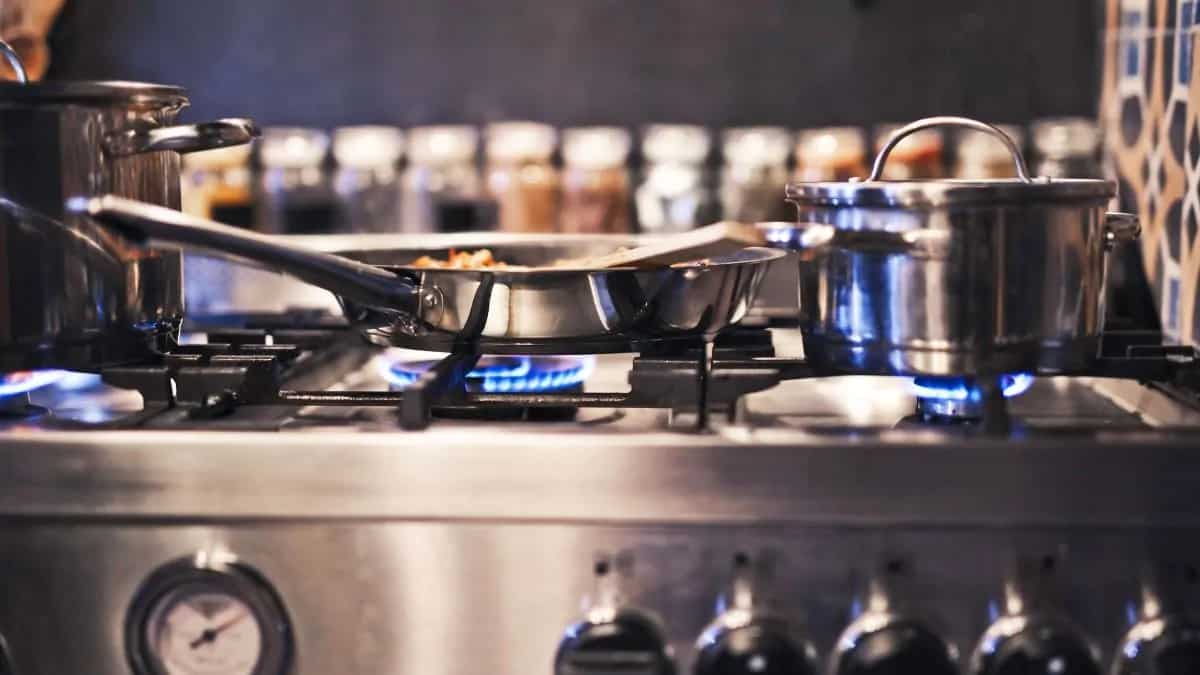
Kitchen appliances serve as the fundamental backbone of daily cooking, yet their role inside a kitchen shifts depending on who is at the controls. For someone just starting out, appliances are comforting safety nets designed to make basic meal preparation manageable and repeatable. For an experienced home chef, those same tools become creative catalysts that unlock complex textures, deep flavours, and precise techniques. Meanwhile, a professional cook views these devices through the lens of speed, consistency, and rigorous heat management. Utilising an Usha cooktop across these different skill levels highlights this exact evolution, as simple temperature adjustments shift from basic boiling to delicate reductions and high-heat searing.
The Beginner Stage: Seeking Comfort And Simplicity
When entering the kitchen as a novice, the primary goal is mastering basic techniques while avoiding common pitfalls like burning ingredients or overcooking proteins. Beginners rely heavily on predefined settings and straightforward functionality to build confidence. A cooktop at this stage is primarily used for fundamental tasks; boiling eggs, heating milk, or making simple one-pan meals like instant noodles and basic stir-fries. The focus remains on safety, ease of operation, and acquiring a feel for how heat interacts with pan surfaces. At this entry point, user-friendly controls eliminate guesswork, allowing new cooks to establish essential kitchen routines without feeling overwhelmed by complex culinary steps.
Image credit: Pexels
The Skilled Home Chef: Exploring Flavour And Technique
As cooking skills mature, the home chef begins using appliances to experiment with broader flavour profiles and traditional culinary heritage. Cooking is no longer just about utility; it is an exploration of texture, balance, and regional authenticity. A home chef uses a cooktop with far greater intention, carefully controlling heat levels to bloom whole spices, simmer slow-cooked gravies, or achieve the perfect tempering for dals. To prepare smooth spice bases and intricate marinades, running whole spices, coconut, and herbs through an Usha mixer grinder provides the exact fine consistency needed for traditional curries. At this stage, appliances become tools of control, allowing cooks to replicate complex recipes with confidence.
The Professional Cook: Prioritising Efficiency And Precision
In a high-pressure commercial environment or a fast-paced pop-up kitchen, the demands placed on equipment shift entirely toward speed, output, and relentless consistency. A professional cook does not have time to monitor individual pans casually; every motion is calculated and optimised for service. The cooktop becomes a heavy-duty workstation where multiple components of a dish are executed simultaneously—searing proteins on high heat while maintaining a gentle, steady simmer on an adjacent burner for a delicate reduction sauce. Heat recovery time, precise thermal retention, and structural durability become paramount, as appliances must endure hours of continuous use while maintaining exact cooking standards.
Image credit: Pexels
Adapting Preparation Methods Across Skill Levels
The way prep work is handled before ingredients even touch a hot pan also reflects a cook's progression. Beginners tend to chop and measure as they go, often leading to uneven cooking times on the stovetop. Experienced home chefs adopt a structured mise en place, preparing all sauces, pastes, and chopped vegetables beforehand so the cooking process remains smooth. Professionals take this a step further by batch-preparing bases that react predictably when exposed to intense heat. Regardless of the approach, having reliable heat control on your cooktop ensures that whether you are adding ingredients sequentially or all at once, the pan responds immediately to your technique.
Image credit: Pexels
Mastering Heat Management For Culinary Growth
Ultimately, advancing from a beginner to a master cook requires developing an intuitive feel for thermal control. Novices often default to cooking on extreme ends of the spectrum, either burning food on high heat or under-searing on low heat out of caution. Moving up the culinary ladder means learning how to leverage medium-low heat for caramelising onions or holding high temperatures for a proper wok toss. Mastering your cooktop allows you to manipulate how moisture evaporates, how fats render, and how natural sugars brown. Understanding these subtle thermal dynamics is what turns basic ingredients into memorable meals, regardless of where you currently stand on your culinary journey.