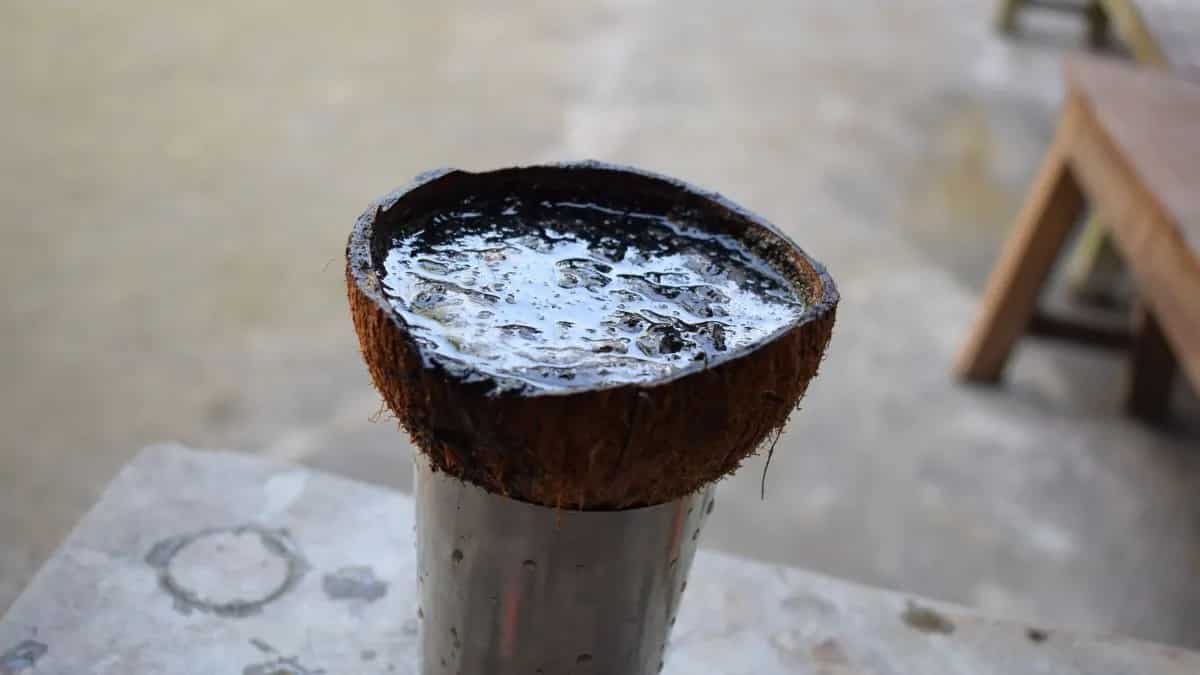
Assamese cuisine has an ingredient that does not depend on just chilli, garam masala or a generous squeeze of lemon to make its presence felt. Known as khar, it is a traditional alkaline preparation that is made by filtering water through the ash of dried banana peels or other parts of the banana plant. The liquid, typically known as kola khar, is used in Assamese cooking to impact a dish's flavour as well as texture. Unlike traditional seasonings, khar works through its alkaline properties, giving food a unique, earthy personality when used in the correct quantity.
It is also the name that is given to a family of dishes that is prepared with this ingredient, often having raw papaya, vegetables, lentils or fish. Khar has a special place in Assamese food culture, where it is traditionally served at the start of a meal. Knowing about it offers a glance into a regional cooking tradition built around local ingredients and a distinct approach to flavour.
How Is Khar Traditionally Made?
The preparation begins with dried banana peels, often from bhim kol, a local seeded banana type treasured in Assamese cooking. The peels are dried totally and then burnt to get ash. Water is then passed through the ash, and the liquid extracted is filtered to remove the solid particles. This alkaline extract is called kola khar.
The method is an example of how a part of the banana plant that might otherwise be dumped turns out to become a useful cooking ingredient. The process also needs care because the potency of the extract relies on how the ash is prepared and how much water is used. Traditionally, cooks depend on their familiarity with the ingredient to choose the quantity required, as too much khar can overwhelm a dish with an unpleasant, soapy-like flavour.
How Is Khar Used In Assamese Cooking?
If you have been thinking so, khar is not just sprinkled over a finished dish like a spice or masala. It is typically added during cooking, where its alkalinity affects the ingredients as well as the final texture. It is commonly used with raw papaya, potatoes, leafy vegetables and pulses, and also while preparing some varieties of fish.
Raw papaya khar is a typical example. The fruit is first cooked with the alkaline extract until soft, making a dish whose nature differs from a traditional spicy curry. Relying on the recipe, garlic, mustard oil and other ingredients may be added, but khar remains paramount to the preparation.
Its unique personality is best known as a culinary impact of alkalinity, rather than the heat or fragrance linked with familiar Indian spices.
Why Is Khar Traditionally Served First?
In a traditional Assamese meal, khar is often served first before the other courses, along with rice. This sequence differentiates it from many Indian meals in which many dishes are served together. The approach is part of Assamese food culture, and khar is important.
The sequence also impacts the way Assamese meals are traditionally structured around contrasting tastes and textures. Khar is neither a curry nor a conventional spice-based accompaniment; its character comes from the alkaline ingredient extracted from the plant material.
What Makes Khar Different From Ordinary Seasonings?
Most familiar seasonings add saltiness, sweetness, sourness, heat or aroma. Khar works differently, as its alkalinity can change how ingredients turn soft during cooking and impact the taste of the final dish. Its taste is subtle but unique, and cannot be replaced by any other spices.
Khar also has a connection with Assamese fermented foods. Kolakhar is used in making kharoli, a traditional fermented mustard-seed preparation.
For anyone exploring Assamese cuisine, khar is thus more than a distinctive ingredient prepared from banana peel ash. It represents a distinct way of cooking, in which the chemistry of an ingredient matters as much as its taste. From raw papaya preparations to fermented mustard condiments, khar continues to give Assamese food customs a character that is hard to reproduce with conventional seasonings.