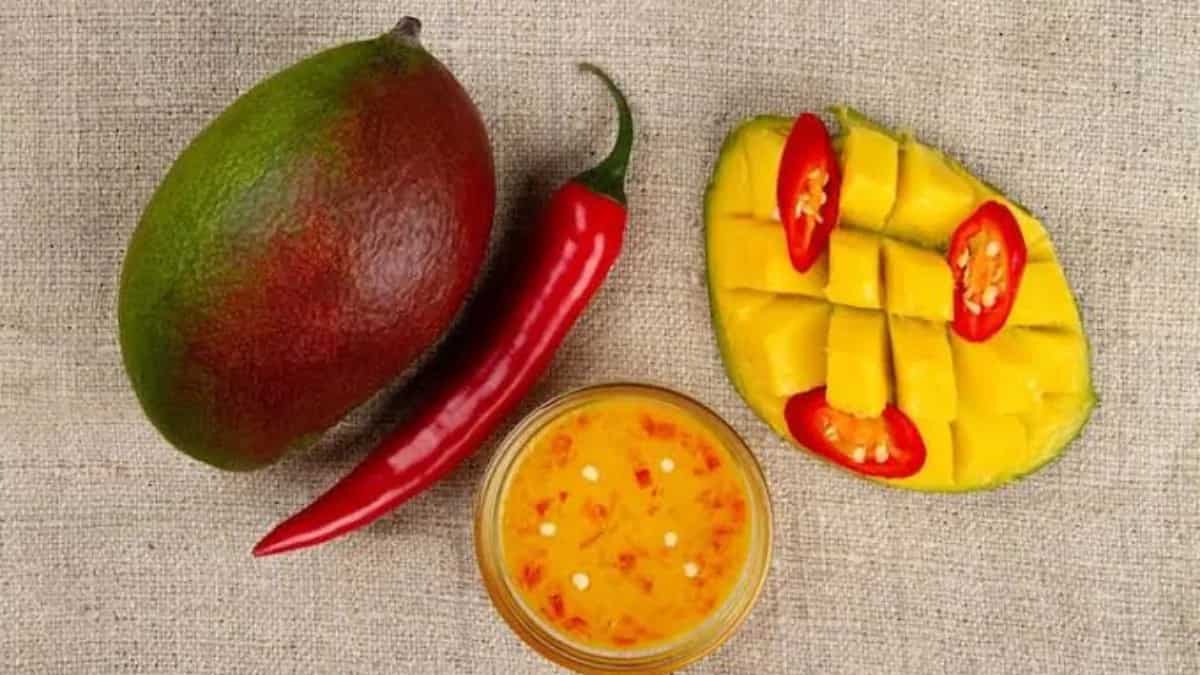
The culinary landscape of 2026 has officially crowned its favourite phenomenon. The term is fricy, a bold portmanteau that fuses fruity and spicy into a singular, explosive sensory experience. While fusion concepts come and go with the changing seasons, this particular movement has captured the imaginations of home cooks, mixologists, and food scientists worldwide. It signals a shift away from singular notes towards multi-dimensional dining, where contrasting elements are deliberately brought together to challenge and delight the human palate. This trend is an exciting step forward from the sweet and spicy craze that dominated previous years. Where older trends relied heavily on processed sugars, heavy syrups, or standard hot honey drizzled over fast food, this fresh movement turns the spotlight toward whole, natural ingredients. It is all about celebrating the intrinsic properties of fruits, their acidity, their fibrous chew, and their liquid sweetness, and matching them with the diverse heat profiles of regional chillies and spices.
Image credit: Freepik
The Science Of Why Fruity And Spicy Works
To understand why this combination creates such an addictive quality, one must look at the human nervous system. When you consume a hot chilli pepper, a chemical compound known as capsaicin binds to the TRPV1 receptors on your tongue. These are the exact same receptors that detect physical heat and warn the body of impending danger. In response to this simulated burn, the brain promptly triggers a natural defense mechanism, releasing a wave of endorphins and dopamine. This neurological reaction explains the mild, euphoric rush that spice enthusiasts frequently describe.
However, an excess of unmitigated heat can overwhelm the taste buds, deadening the palate to other nuances. This is where the fruit component enters the equation. Fresh fruits possess a complex architecture of natural sugars, primarily fructose, alongside organic acids such as citric or malic acid. The sweetness behaves as a natural buffer, coating the sensory receptors and softening the immediate intensity of the capsaicin molecule.
At the same time, the high water content of fresh fruit provides immediate cooling relief. This creates a brilliant sensory loop. The sweetness invites you to take a bite, the heat provides a dramatic, lingering complexity, and the natural fruit sugars make you reach for another serving immediately.
The Indian Street Food Heritage: Ancestral Fricy
For individuals raised on the vibrant streets of India, this global culinary buzzword feels deeply familiar. Long before international food critics began using the term in 2026, street vendors throughout India had already perfected the craft. It is a tradition that has thrived for generations across the subcontinent. The global rise of the fricy trend is not the invention of a completely new flavour system. Rather, it is a global awakening to a balance that Indian street food culture has celebrated for centuries.
Consider the local fruit seller who slices fresh guavas, pineapples, or watermelons right before your eyes on a wooden cart. The final touch is never just a simple sprinkle of white sugar. Instead, it is a generous dusting of kala namak, also known as black salt, mixed with dark red chilli powder. Consider the tangy tamarind chutneys that glaze your favourite potato snacks, combining the deep fruitiness of dates with the intense fire of dried ginger and cayenne pepper. The global appreciation of these flavours represents a beautiful full circle moment for traditional Indian culinary habits.
Image credit: Freepik
Four Creative Ways To Explore Fricy In Your Own Kitchen
Bringing this global trend into your personal cooking space does not require specialised equipment or rare, imported ingredients. You can create spectacular, contrast-heavy snacks using staple items found in any local market. Here are four exceptional methods to initiate your journey.
1. The Revamped Classic: Aam Papad Chaat
Aam papad, the beloved sun-dried mango leather, is inherently sweet, slightly tart, and wonderfully chewy. It is usually enjoyed as a standalone confectionery item, but it serves as an extraordinary base for a modern salad. To create an authentic version, slice the thick sheets of aam papad into small, uniform cubes. Place them into a wide mixing bowl and introduce finely chopped red onions for a sharp crunch, along with freshly torn coriander leaves to provide an earthy brightness. For the crucial spice element, toss the mixture with roasted cumin powder, black salt, and a pinch of roasted red chilli flakes. If you prefer a fresher kick, add a tiny amount of finely minced green chillies. Finish the assembly with a vigorous squeeze of fresh lime juice. The dense, sticky sweetness of the dried mango creates a spectacular contrast against the raw crunch of the onions and the sudden prickle of the chilli.
Image credit: Freepik
2. The Himalayan Specialty: Quick Kitchen Titaura
Titaura is an iconic snack with roots in the mountainous terrains of Nepal and the northeastern regions of India. Traditionally, it involves preserving sour mountain fruits like hog plum or tamarind in sun-baked earthen jars with intense spice blends. The resulting leather or chewy chunks are notoriously sour and hot. You can craft a quick, wet version of this comforting delicacy in your home within fifteen minutes. Select dried, pitted prunes, dates, or sun-dried mango slices as your fruit foundation. In a small saucepan, heat a tablespoon of mustard oil until it reaches a gentle shimmer. Drop in a few fenugreek seeds and allow them to crackle. Add your dried fruits along with a splash of water, a small piece of crushed jaggery, a pinch of turmeric, and a heavy hand of dried red chilli flakes. Simmer the mixture on low heat until the liquid reduces into a thick, glossy syrup that completely coats the fruit. This dish yields a sticky, highly concentrated glaze that balances dark fruit notes with a fierce, warming heat.
3. The Juicy Popping Kick: Grapes Chaat
For an experience that celebrates bursting juiciness and texture, swap traditional crunchy elements for fresh grapes. This variation provides a spectacular sensory contrast between the initial cool explosion of juice and the subsequent wave of warming spice. Grapes chaat is a modern reimagining of the classic roadside fruit plate, offering a cleaner, faster alternative. To prepare this, select a mixture of firm, seedless green and black grapes. Halve them longitudinally. This small action increases the surface area for the spices to cling to and releases just enough immediate sweetness. Place the grapes in a bowl and introduce finely chopped fresh mint leaves, which offer a cool, aromatic lift. For the mandatory fricy profile, combine a heavy teaspoon of high quality chaat masala, pink Himalayan salt, and roasted cumin powder. The defining heat comes from vibrant kashmiri red chilli powder, which provides an alluring colour and moderate spice. Toss the mixture thoroughly. For an optional crunch and richer texture, add roasted peanuts just before serving. The resulting snack is sweet, incredibly juicy, tangy, and finishes with a clear, delightful heat.
Image credit: Freepik
4. Guava Chilli Juice
For a refreshing beverage that mimics the sensory thrill of street food, look no further than a cold glass of guava juice enhanced with fresh spice. This preparation shifts away from solid food entirely, demonstrating how the concept works beautifully in liquid form. To prepare this drink from scratch, select ripe white or pink guavas. Roughly chop the fruit and blend it thoroughly with chilled water, then pass the liquid through a fine mesh strainer to eliminate the gritty, stubborn seeds. The resulting nectar should be smooth and thick. To complete the profile, stir in a pinch of roasted cumin powder, black salt, and a minimal drop of fresh green chilli paste. For an authentic street side presentation, rub a slice of lime around the rim of your serving glass and dip it into a shallow plate containing a mixture of fine sea salt and red chilli powder. As you take a sip, your tongue encounters the sharp, salty spice of the rim first, followed immediately by the cool, velvety sweetness of the guava nectar.
Image credit: Freepik
Embracing The Trend With Intention
As you experiment with these combinations in your kitchen, keep the golden rule of balance in mind. The goal is never to allow one profile to completely extinguish the other. If you are working with an exceptionally sweet fruit like black grapes, ripe mango, or sapodilla, you will need a sharper, more immediate heat source like black pepper or fresh green chillies to pierce through the sugar. Conversely, if your fruit is naturally sour like green grapes, star fruit, or tart apples, look toward warm, grounding spices like roasted cumin, pink salt, and smooth red chilli powders to create depth. Fricy cooking is an open invitation to play with boundaries. It reminds us that sweet dishes do not have to be confined to dessert courses, and spicy flavours do not always require a base of garlic, onions, or cooking oil. By stepping into this vibrant world, you are entering a culinary space that celebrates contrast, texture, and pure sensory joy.