


 Share
Share

Gone are the days when dining was simply about sustenance or displaying extravagance. Today, the way we eat reflects our deepest values, our cultural roots and our desire for authentic connection. The newly released Godrej Food Trends Report 2026 makes one thing abundantly clear: food is no longer just about what is on your plate, but why it is there. From the revival of ancient regional cuisines to the rise of smart hybrid kitchens, the focus has shifted towards identity, convenience, nostalgia and profound narratives. This comprehensive breakdown covers every major insight from the Godrej team, ensuring you are fully briefed on the flavours shaping our future.
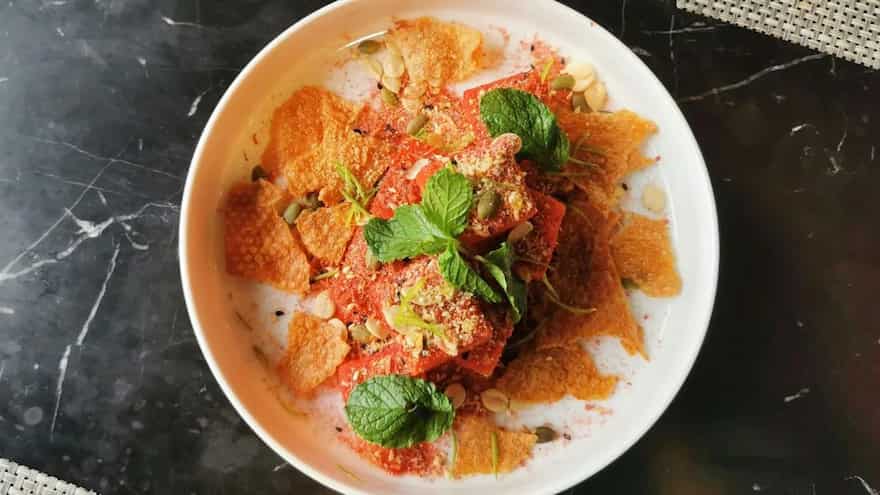
Image credit: Pexels
Stories Over Ingredients: The Core Philosophy
The overarching narrative for 2026 is the power of storytelling. While previous years focused on discovering diverse ingredients and tracing provenance, the current movement is all about the human element. Every dish now carries a narrative, satisfying the soul as much as the palate. Consumers want to understand the heritage of a recipe and the cultural memories attached to a cooking technique. According to Rushina Munshaw Ghildiyal, Managing Director of Perfect Bite Consulting and Curating Editor of the report, the true value of food today lies not just in ingredients or technique, but in the narratives of people, places and traditions that shape every bite. This shift represents a move from mindless consumption to strategic mindfulness. In an era of rapid-fire innovation and digital overstimulation, storytelling is the force that cuts through the noise to provide the who and the why behind every bite.
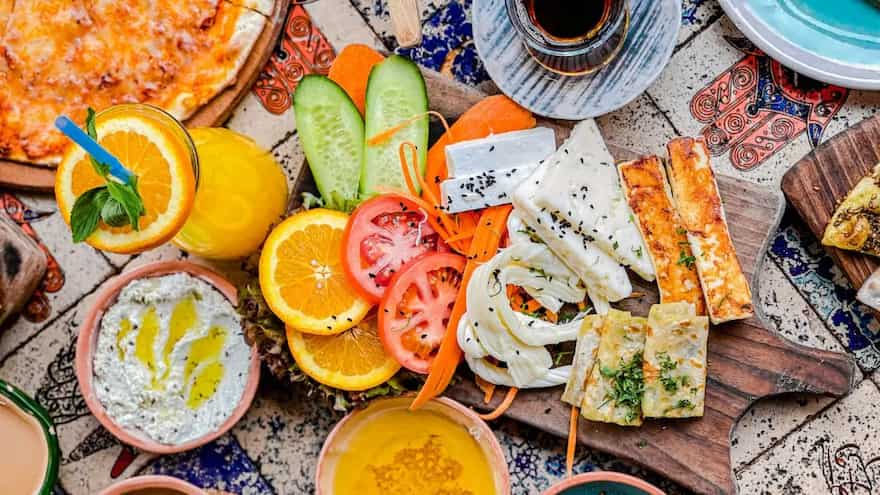
Image credit: Pexels
Chatpata Maximalism Takes Centre Stage
While the global food scene experiments with sweet and fruity spice profiles known as Swicy and Fricy, the Indian culinary space is doubling down on its bold, piquant roots. We are entering an era of flavour maximalism. Subtle, lightly spiced profiles are being replaced by high-impact, multi-sensory taste experiences. Expect dishes that deliver sweet, tangy, smoky and crunchy notes all at once. This trend is about unapologetic flavour collisions that recreate the joy of a bustling street food corner. You understand a city better at a chaat corner than at a five-star hotel, notes food expert Gurpreet Singh Tikku. It is a rebellion against the bland, offering a multi-layered adventure for a generation that seeks intense excitement in every single bite.
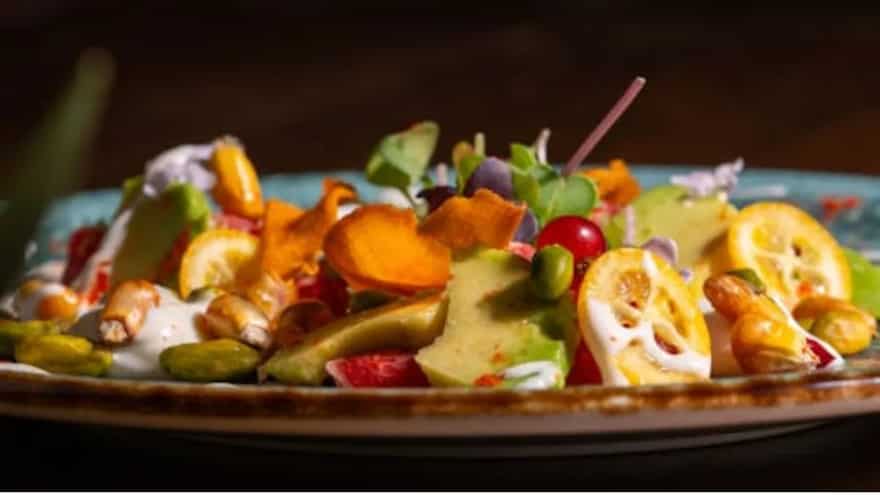
Image credit: Pexels
The Savoury Protein Revolution
For years, the fitness industry has been dominated by sweet, chalky protein shakes and dense, dessert-flavoured bars. That era is definitively over. Protein is finally going namkeen. Recognising that the Indian palate inherently craves savoury, salt-forward snacks rather than constant sweetness, the functional food market is pivoting. The fatigue of sweet-centric protein products is leading to a savoury-first protein revolution, stimulating a category of functional snacking that caters to the salt-forward Indian palate. High-protein bhel mixes and savoury bars formulated with shelf-stable spice blends are becoming everyday staples. This shift proves that functional eating does not have to compromise on familiar, masala-rich cravings.
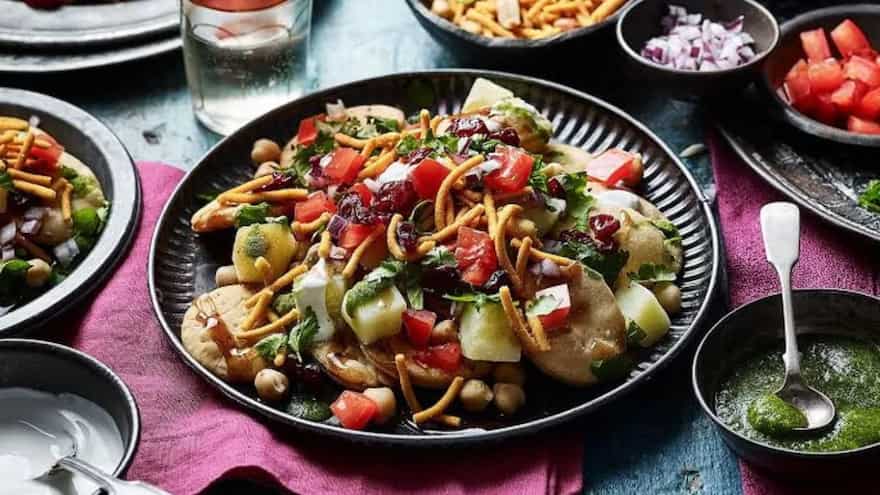
Image credit: Pexels
Mithai Gets An Indo-Modern Makeover
Traditional sweets are experiencing a renaissance, evolving far beyond simple sugary treats. The new chapter of mithai involves exciting texture mashups and adventurous global influences. While classic favourites remain beloved, they are being reimagined for a globalised palate. Iconic concepts like gulab jamun cheesecake were just the beginning. Now, traditional sweets will transform into multi-sensory experiences with exciting texture mashups and adventurous flavour juxtapositions to stimulate the globalised Indian palate. This evolution respects the heritage of traditional sweets while introducing contemporary complexity, ensuring that heritage desserts remain relevant and exciting for younger consumers.
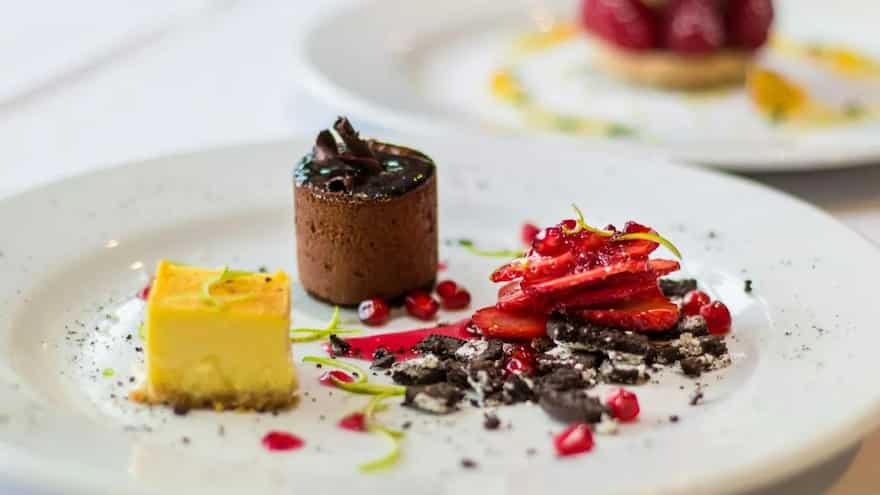
Image credit: Pexels
The Rise Of The Female Farmer
Perhaps the most significant and heartening shift of 2026, aligning with the UN International Year of the Woman Farmer, is the recognition of the female farmer. Long considered the invisible backbone of agriculture, women are finally stepping into the spotlight. Storytelling around food now includes the people behind it, highlights Tanya Dubash, Executive Director and Chief Brand Officer of Godrej Industries Group, adding that the 2026 edition explores the powerful narratives of provenance, people and connection that increasingly define value in our food ecosystem. There is a massive surge in demand for produce sourced directly from women-led agribusinesses, turning their traditional ecological wisdom and earth-stewardship into premium value propositions.
Assisted Home Cooking Redefines The Kitchen
The rapid expansion of quick commerce is redefining domesticity, giving rise to the concept of assisted cooking. Modern urban dwellers love the idea of home cooking but simply lack the time for labour-intensive preparation. Home cooking will evolve into a hybrid experience, blending high-quality, pre-prepared base preparations with the tactile joy of the final finish. High-quality, pre-prepared simmer sauces, marinades and base gravies do the heavy lifting, while the home cook takes charge of the final sear, tempering and presentation. Chef Amrita Raichand points to this balancing act, noting that today consumers are choosing options that do not compromise on nutrition or taste, and the focus is on eating well without stress.
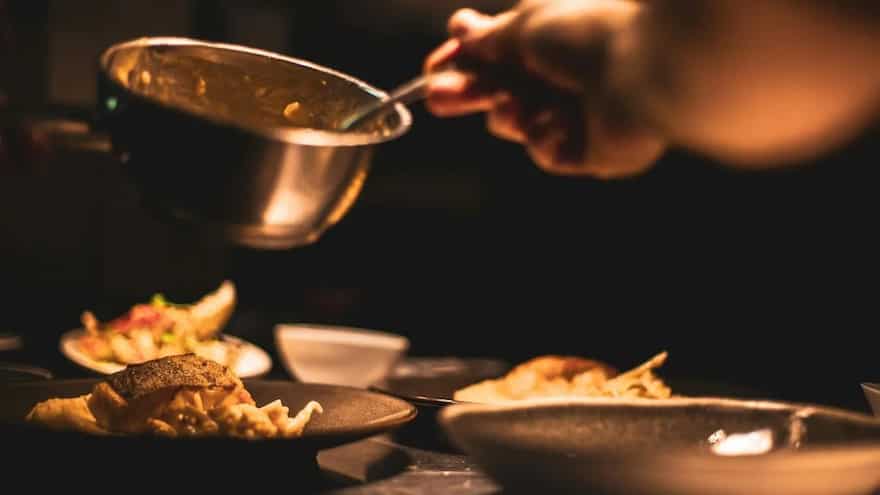
Image credit: Pexels
Dietary Fibre Becomes Mainstream
Driven by a growing pursuit of holistic metabolic health, dietary fibre is moving from a niche wellness topic to a mainstream dietary pillar, a trend experts in the report are calling fibermaxxing. Partly inspired by the focus on natural satiety seen in modern wellness diets, consumers are actively seeking gut and brain wellness. This is leading to a surge in fibre-forward menus and fortified snacks. This trend highlights a collective desire to reduce the consumption of ultra-processed foods in favour of ingredients that support long-term, balanced health.
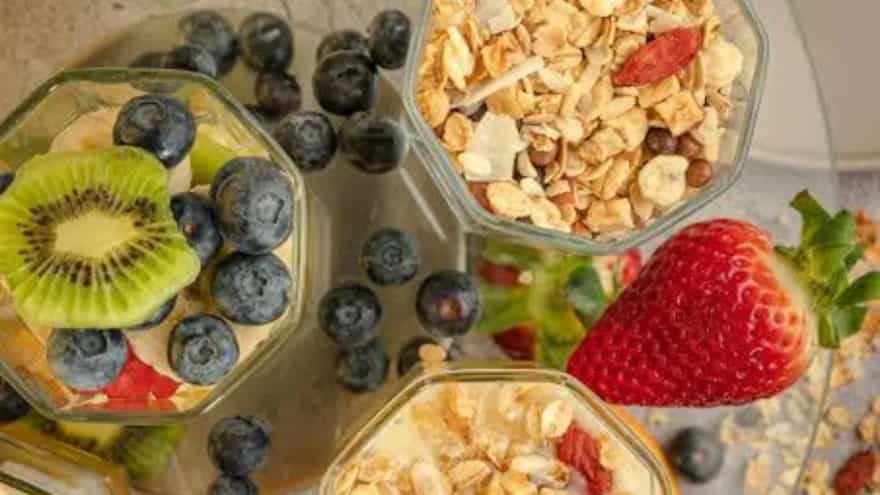
Image credit: Pexels
Hyper-Regional India Shines
Restaurant menus are moving past the predictable broad categories of North Indian or standard fusion cuisine. Diners are seeking extreme authenticity, pushing hyper-regional cuisines to the forefront. Culinary traditions from Malwa, Rampur, Maratha and the Himalayas are taking centre stage. Celebrity chef Ranveer Brar captures this shift succinctly, stating that food is only powerful when it tells a story, and India has so many stories waiting to be told. The increasing importance of geographical indication tags is driving this hyper-local authenticity, allowing diners to explore the micro-cuisines of the country with unprecedented depth.




