On a hectic work night, especially in the winter, nothing beats a hearty bowl of vegetable or meat stew, isn't it? You can prepare these incredibly fulfilling one-pot dinners at any moment. As they are healthy and nourishing, stews are also a fantastic choice for conscientious eaters. A winter stew is a mixture of chopped meat, fish, or vegetables cooked for a long time over low heat with a stock that barely covers them. The liquid thickens into a gravy while it cooks. With chunkier meats and not-so-tender cuts, stews are sipped and eaten around the world in a variety of ways. Here are some stews you can relish at home this winter.
Goulash, Hungary
The hearty winter stew, brimming with meat, vegetables and paprika, is a comfort food staple across much of Europe and beyond. The dish likely originated as a simple meal for Hungarian cattle herders, with the name ‘goulash’ derived from the Hungarian word for cattleman. From those humble beginnings, goulash has evolved into an iconic Hungarian dish and a popular meal across continents. The basic recipe includes meat of your choice stewed with onions and paprika and has spread far and wide, adapting to local tastes in each new location. Each region puts a distinctive spin on the dish, using different meats, vegetables and spices.
Coq Au Vin, France
Coq au Vin, a classic French dish, showcases slow-cooked chicken in red wine with onions, mushrooms, and aromatic herbs. Its historical significance and rich flavours link it to French culture and gastronomy. The origins of Coq au Vin can be traced back to rural France, where it was originally a peasant dish. It emerged as a practical way to cook tough, old roosters that were no longer suitable for egg production. The traditional method involved marinating the rooster in red wine overnight to tenderise the meat before slow-cooking it with onions, mushrooms, and bacon. This cooking technique allowed the flavours to meld together, resulting in a deliciously rich and savoury dish.
Image Credit: Wikimedia Commons
Rogan Josh, India
Oh yes, don’t look that surprised. As mentioned earlier, a lot of Indian dishes consist of gravies. Rogan josh is one such meaty delight that features as a stew in Indian cuisine. The magic of Kashmiri red chillies lends the Kashmiri dish a vibrant red hue, and the use of garlic, ginger, cardamom and cinnamon adds to the complex flavours of this hearty stew. It can be paired with special Kashmiri rotis or steamed rice and is a perfect winter stew for the Indian palate. Rogan josh has its roots in Persia. ‘Rogan’ in Persian means clarified butter, while ‘josh’ stands for cooking meat at high heat. When this dish travelled to Kashmir through the Mughals, it adapted to the region's spices and cooking style. This stew is made from mutton or lamb, and surprisingly, it became a hit with the Kashmiri brahmins, a unique group who don't usually eat meat as part of their culture. Although Kashmiri brahmins are known for consuming meat, they have an aversion to the consumption of onions and garlic. This is the reason why authentic Rogan josh among Kashmiri brahmins is cooked without using either onions or garlic. Instead, they flavour it with fennel seeds and hing, enhancing the lamb's taste.
Bò Kho, Vietnam
Vietnamese meat stew with lemongrass, or bò kho, is fragrant, flavourful, and substantial. This traditional Saigon meal can be served with noodles or banh mi (baguette). From marinating the meat to constructing a spice bag with a muslin cloth, each step of this hearty Vietnamese favourite adds another layer of taste. The richness of the bò kho rises as the meat, aromatics, and liquids simmer. If desired, add an extra tablespoon of fish sauce after tasting the stew. Garnish with the scallion tops and cilantro. Serve with egg noodles, rice, pham or crusty toast for a slurp-worthy bowl of comfort. It is hard to determine where bò kho originated. It is said to have come from the Chinese but has grown throughout time because of influences from both the West and the East, developing it into the dish that it is today in Vietnamese cuisine.
Budae Jiggae, South Korea
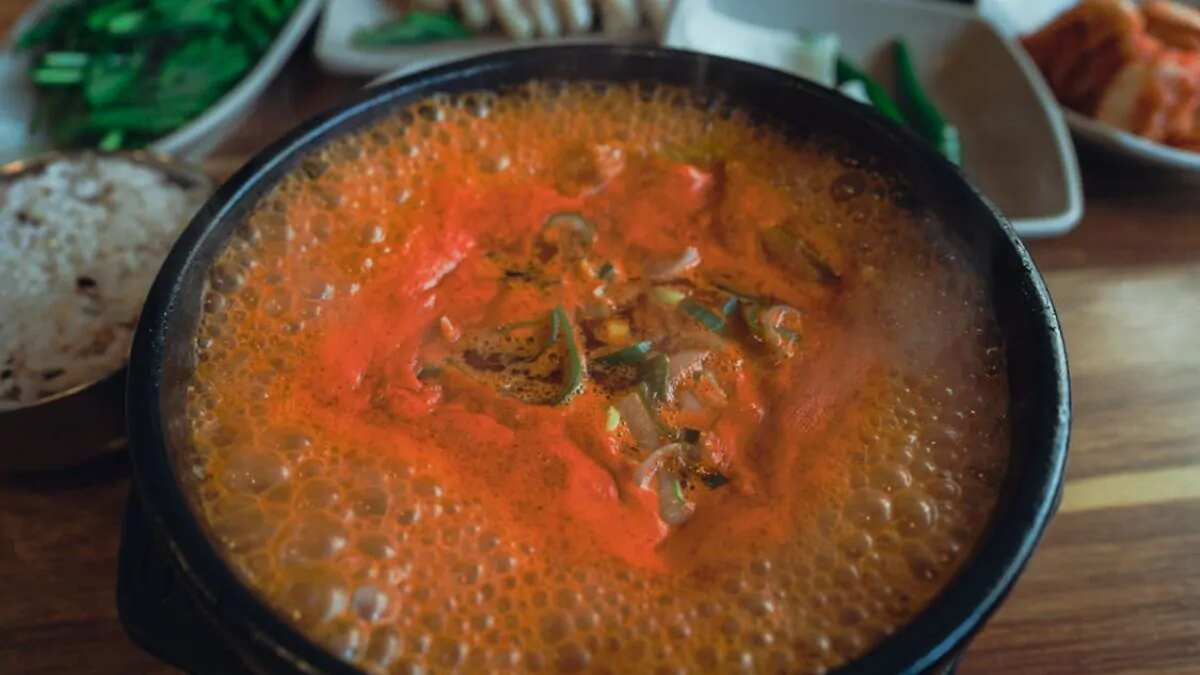
It was the 1950s, and the Korean War had left a trail of devastation in its wake. As citizens began the arduous task of rebuilding, resources were scarce, and food was even scarcer. And yet, in this despondent situation, something new, something remarkable began simmering. It was an improvised winter stew blending local spices with unlikely ingredients salvaged from US military bases such as spam, canned beans, and sausages. This concoction, born out of necessity, was called budae jjigae, or ‘army Stew.’ There are various pop culture references that often represent comfort, resilience, and community. Be it K-Dramas such as Itaewon Class, Reply 1994, or the Let’s Eat series, or BTS members, like Jin, known for his interest in Korean cuisine, sharing videos or moments enjoying it. In the BTS Cookbook Vol-1, there is an excerpt from an In The SOOP episode where Jung Kook expresses his fondness for the army stew and says, "budae jjigae is love," as Suga whips up a quick recipe for the band.
Image Credit: Wikimedia Commons
Khoresh, Iran
A staple of Persian cooking, khoresh is a traditional Iranian stew made by slowly boiling meat, vegetables, lentils, and aromatic herbs in a thick, flavourful sauce. It is usually eaten with polo or steamed rice. The Persian word khordan, which means ‘to eat’, is the source of the term khoresh, which highlights its significance as a main, filling meal in Iranian cuisine. Traditionally, khoresh is served as the focal point of a dinner, lavishly ladled over chelo, a fluffy rice base that absorbs the rich flavours of the stew. Chelo is cooked basmati rice infused with saffron for colour and perfume. Tahdig, the crispy rice layer that forms at the bottom of the rice pot during cooking, is highly valued for its golden, crunchy texture and is frequently shared among guests to contrast with the soft stew.
Phanaeng, Thailand
Phanaeng has a thick texture and meat, just like any other winter stew. Locals typically select their own choice of meat from a variety of recipes to fill the bowl. Better still, its ingredients include fish sauce, palm sugar, and coconut milk, which create a salty-sweet peanut flavour that can satisfy foodies. It is always made with meat in traditional Thai cuisine, although veggies can also be used if you don't eat meat. To add some protein, the main ingredient can be paneer (cottage cheese), along with carrots, beans, baby corn, and capsicum. You may cook this stew from scratch using roasted peanuts, although many recipes call for peanut butter. Roasted peanuts give the curry a much better flavour and give you much more control over the ingredients.
Irish Lamb Stew, Ireland
Although its precise beginnings are somewhat unknown, Irish lamb stew is thought to have started in the 19th century. Shepherds and rural farmers, who had limited access to ingredients but needed a filling supper to get them through lengthy workdays, frequently prepared the dish during that period. Traditionally, the dish was slow-cooked in a pot over an open flame using lamb or mutton, potatoes, onions, and water. These are the fundamental ingredients. Carrots, turnips, and barley are also used in certain versions of the dish, but this would depend on personal taste. The meat is typically cut into small pieces and browned before use. Potatoes, after being peeled and sliced into chunks, are added to the stew to add substance and to help thicken the broth; finally, onions are added to the pot for flavour.
Image Credit: Pexels
Moqueca, Brazil
Brazilian moqueca is a traditional seafood winter stew from the coastal regions of Brazil. It is made with a flavorful combination of fish, shrimp, or other seafood, cooked in a rich and fragrant broth made with coconut milk, tomatoes, onions, garlic, and spices. The dish is known for its vibrant colours and bold flavours, with a hint of sweetness from the coconut milk. It is typically served with rice and garnished with fresh cilantro and lime wedges. The origins of moqueca may be traced back to the ancient people of Brazil, who used to cook fish in palm leaves over hot coals. Over time, this simple approach grew into a rich, savoury stew, thanks to the influences of African and Portuguese culinary traditions. The indigenous word ‘pokeka’ for the method of wrapping and cooking fish is where the name originates. Since then, regional variations of this dish have emerged throughout Brazil, making it a national treasure.