Share
Share

European Christmas traditions flip the everyday rhythm of cooking into something far more intentional, pulling regular dishes into a slower, warmer, community-driven space where flavour feels tied to memory. A weekday meal usually moves fast, built for convenience, yet Christmas transforms that pace. Families stretch recipes into longer preparations that create a fuller taste and a thicker texture. The shift is not about luxury but about signalling that the holiday season deserves time.
(Image Credits: Freepik)
People gather in kitchens that normally stay quiet, turning food into a group activity instead of a solo task. The atmosphere changes because every step becomes an excuse to talk, question, tease and revisit old stories that only surface once the year winds down. Even the simplest dishes evolve because winter pushes cooks toward richer methods that build layers of warmth. This change and blend keep the European festive meal rooted in the past but open to the present. Food works as the social glue, making the holiday less about grand rituals and more about shared food as well as familiar aromas.
5 Christmas Special Dishes From Europe To Make This Holiday Season
Roast Goose
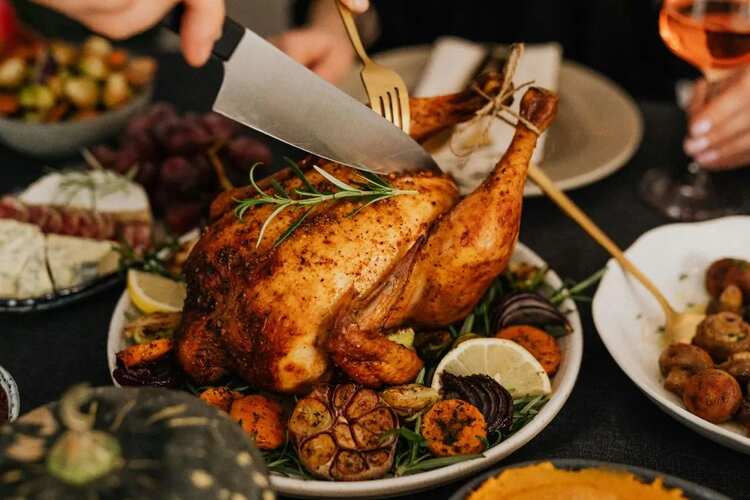
Roast goose carries the kind of old-world credibility that European Christmas tables still brag about, even if the dish shows up less often than it deserves to. Its origins travel back to medieval feasts where communities roasted whatever brought the most warmth, richness, and ceremony. The nostalgia of families gathering around a roast that took hours, even in a modern kitchen, made the holiday season more about food and traditions.
(Image Credits: Freepik)
Roast goose is prepared by scoring the skin to help the thick winter fat render evenly during roasting. The bird is usually air-dried before cooking to tighten the skin, ensuring it crisps properly. Marination often relies on simple, aromatic elements such as salt, pepper, mild herbs and citrus to cut through the natural richness without overpowering it.
The bird is cooked at a moderate temperature so the fat melts slowly, then finished at a higher heat to give the skin a firm, even finish. Regular basting helps maintain colour and moisture. Traditional European accompaniments include roasted apples, red cabbage, potatoes, or mild winter vegetables that balance the goose’s heavier profile. In some regions, it is also served with dumplings or stewed fruits to add acidity and sweetness.
Sarma
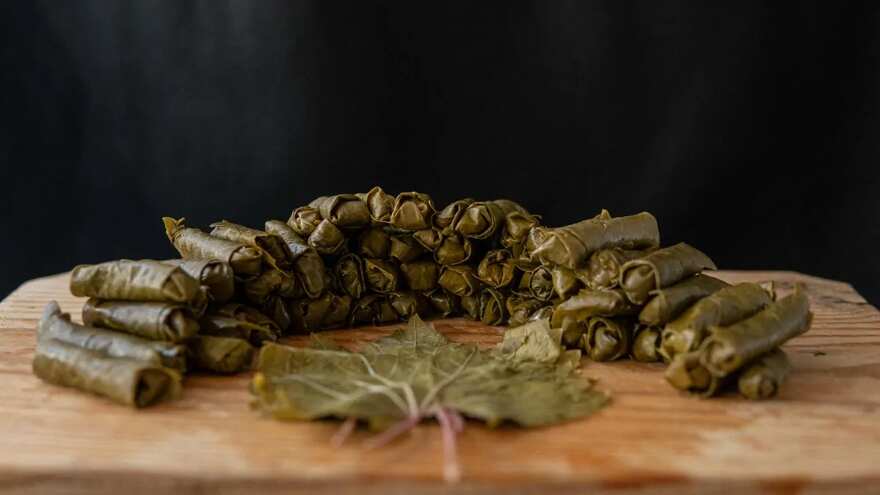
Sarma earns its Christmas relevance across Eastern and Balkan Europe because it reflects the region’s instinct for resourcefulness as well as slow winter cooking. Its origin connects to Ottoman-era culinary exchange, where wrapped dishes became a practical way to stretch ingredients during long, cold months. Over time, sarma moved from an everyday preservation strategy to a holiday statement.
People gathered to roll each piece by hand, turning preparation into an intergenerational meeting where debate and stories formed part of the workflow. The dish is made by wrapping a savoury filling inside fermented cabbage leaves, arranging them tightly, then simmering them for hours until the flavours merge into a tasty dish. Christmas elevated the dish because households trusted it to sit on the stove all day, feeding crowds without constant monitoring, making it perfect for homes that hosted generously.
Fried Christmas Carp
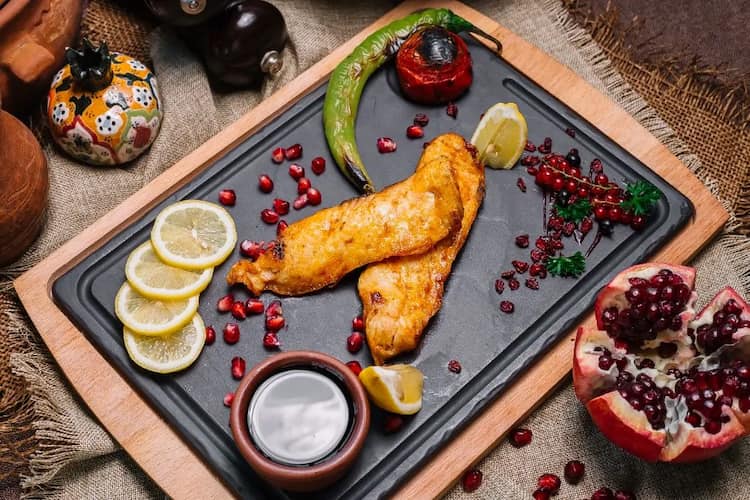
Fried Christmas carp sits at the heart of Central and Eastern European Christmas Eve traditions, especially in the Czech Republic, Poland and Slovakia. Historically, towns maintained carp ponds for a sustainable year-round supply, making the fish both accessible and celebratory.
(Image Credits: Freepik)
As Christmas neared, families bought fresh carp – a native fish variety, sometimes keeping it alive in bathtubs as a practical winter habit. The preparation starts with cleaning the fish, slicing it carefully, seasoning it lightly, coating it in a batter, and frying it until the exterior becomes crisp while the inside stays soft.
The dish became famous because it represented a break from everyday meals shared across households. A modern twist focuses on cleaner frying techniques, air-frying, or serving carp as fillets rather than whole pieces to suit contemporary plating expectations.
Baccalà alla Vicentina
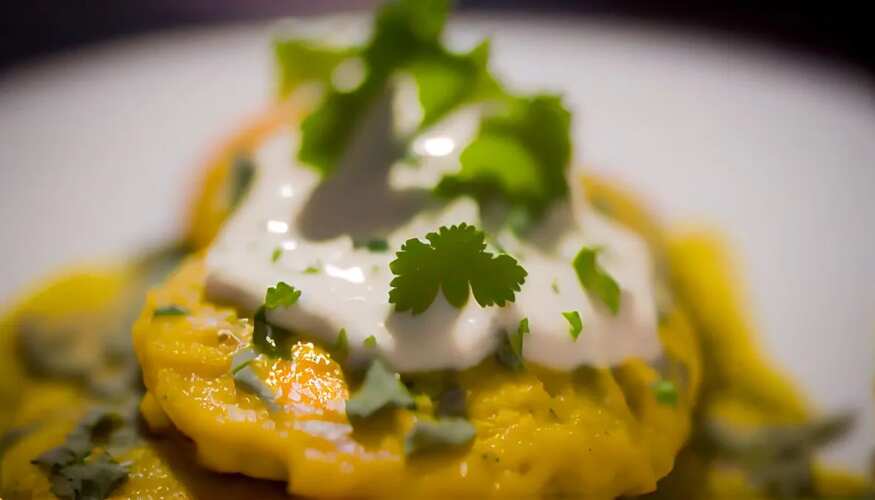
Baccalà alla Vicentina is a Northern Italian Christmas classic that owes its fame to centuries of trade, preservation techniques, and the Veneto region’s love for slow cooking. Its origin traces back to the 15th century when salted cod arrived through European maritime routes, becoming a staple for inland communities that needed durable winter protein.
(Image Credits: Freepik)
Making it involves soaking dried cod for days, then layering it with aromatics alongside cooking it gently until it becomes tender, creamy, and completely transformed from its dried form. The dish thrives during Christmas because it requires time, intention and teamwork in the kitchen, qualities that align with the reflective spirit of the season.
Lutefisk
Lutefisk stands as one of Scandinavia’s most distinct Christmas dishes, shaped by a long history of preservation, seafaring culture and winter survival strategies. It originated from the need to store fish through the cold months, using drying and rehydration techniques that stretched resources in a harsh climate.
Prepared by soaking dried fish in water, then in an alkaline solution, and finally rinsing, then cooking gently, lutefisk transforms into a soft, translucent dish unlike anything else in European cuisine. Lutefisk has a delicate, mellow, ocean-lean flavour with a tender texture that is subtle without much seasoning. Its Christmas fame stems from the way Scandinavian families built a ritual around it, turning an old preservation method into a holiday statement.