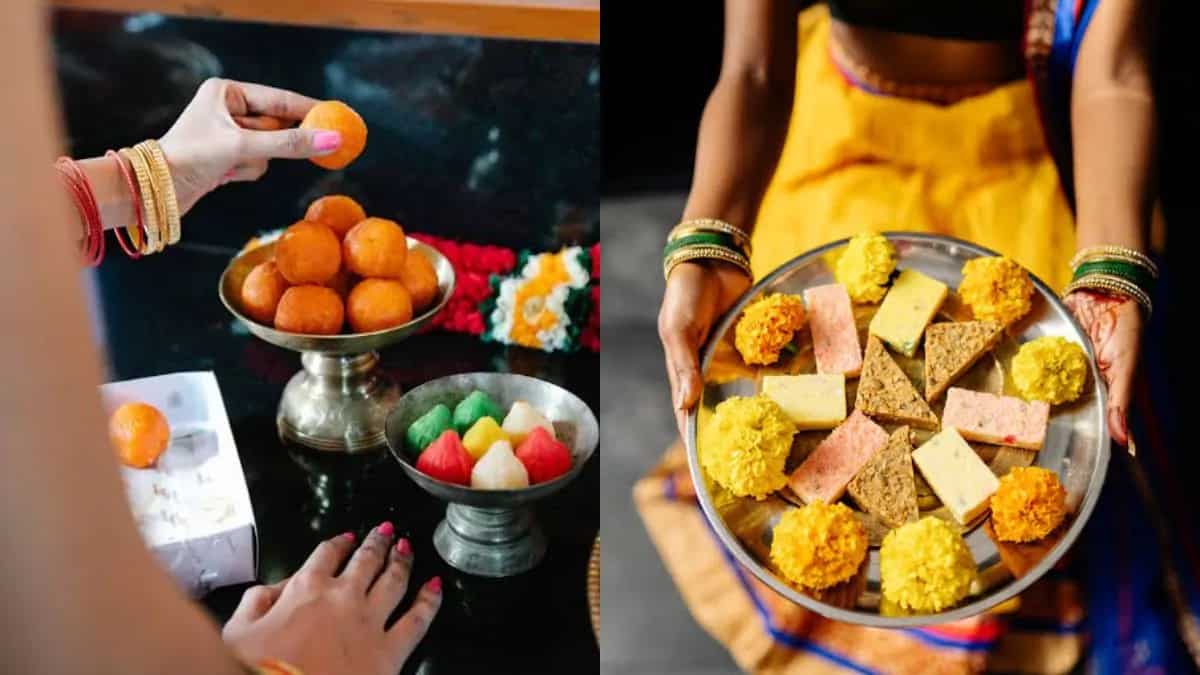
As August unfolds and the heavy monsoon showers begin to retreat across the subcontinent, a familiar anticipation fills the air. We are standing at the threshold of the Indian festive season. From the immediate celebrations of Raksha Bandhan and Ganesh Chaturthi to the grand expanse of Navratri and Diwali, the upcoming months are a marathon of gatherings, rituals, and shared joy. At the absolute centre of this cultural calendar sits mithai. The customary exchange of sweets has always been the social currency of our festivals, but as we enter the 2026 season, the contents of the traditional sweet box are undergoing a fascinating metamorphosis. We are moving far beyond the standard assorted squares of the past. Today, culinary boundaries are dissolving. Confectioners are treating traditional sweets as a highly refined art form, balancing deep rooted nostalgia with an incredibly adventurous modern spirit. The upcoming festive season promises a landscape where hyper regional ingredients meet global dessert trends, creating an experience that is both intensely familiar and wonderfully unexpected. Consumers now demand transparency, sophisticated flavour profiles, and visual elegance, pushing sweet makers to elevate their craft to unprecedented levels.
Image credit: Pexels
1. The Kunafa Phenomenon
Perhaps the most visually striking trend dominating the market right now is the omnipresence of kunafa and its ultimate companion flavour, roasted pistachio. Born from the massive viral success of the Dubai chocolate craze earlier this year, this Middle Eastern staple has fully infiltrated the Indian festive repertoire. The magic of kunafa lies in its textural brilliance. The spun, shredded phyllo pastry provides a crisp, buttery crunch that completely transforms any sweet it touches. When paired with the deep, earthy richness of premium pistachio cream, the result is spectacular. Confectioners are wrapping dense pistachio fudges in golden baked kataifi dough. They are hiding layers of toasted kunafa inside creamy saffron milk cakes and rolling miniature pistachio truffles in the crushed, crispy strands. This addition solves a historical critique of Indian sweets, which often lean heavily towards soft, melt in the mouth textures. The sharp contrast between a crunchy, golden exterior and a deeply rich, fudgy centre makes these cross cultural creations the absolute focal point of modern dessert tables.
2. Global Flavours Meeting Familiar Formats
The culinary crossover extends far beyond texture, seeping directly into the flavour profiles of our most beloved classics. The barrier separating domestic sweets from international patisserie has practically vanished. Chefs are boldly incorporating ingredients like earthy matcha from Japan and vibrant purple ube from the Philippines into highly traditional formats. Ube brings a naturally sweet, mildly nutty profile that pairs flawlessly with reduced milk and fresh coconut, resulting in visually stunning violet delicacies that require zero artificial colouring. Matcha, on the natural hand, introduces a highly sophisticated, subtle bitterness. This slight astringency beautifully cuts through the intense richness of classic cashew or almond bases, creating a perfectly balanced bite. We are witnessing the birth of bespoke creations where elements like roasted black sesame, fragrant lavender, and dark espresso are folded into familiar shapes. These hybrid sweets specifically target a well travelled demographic that actively seeks out complex, layered tasting experiences.
Image credit: Pexels
3. The Era Of Petite Sweets
Size and scale are also shifting dramatically. The 2026 season is heavily defined by the rise of petite sweets. Massive, heavy portions are stepping aside to make way for miniature, meticulously crafted creations that resemble fine chocolate truffles. This movement caters directly to a modern desire for variety, but it is also the unfortunate consequence of a much broader cultural shift. The widespread normalisation of semaglutide prescriptions and GLP weight loss medications like Ozempic has drastically and somewhat depressingly altered our collective relationship with food. Diminished appetites and severely restricted portion sizes have become a grim reality across the globe. Rather than celebrating with traditional joyous abundance, people are now forced to seek out smaller indulgences simply to participate in cultural festivities without the physical discomfort or anxiety now associated with holiday eating. By shrinking the serving size, sweet makers concentrate the flavour, attempting to turn a sparse, low calorie bite into an intense, luxurious experience to compensate for this loss of hearty indulgence. These bite sized wonders are often treated like edible jewels, adorned with delicate silver leaf, hand painted botanical motifs, or dusted with roasted nuts. The petite format allows hosts to offer elaborate tasting menus of sweets, encouraging guests to sample five or six different flavour profiles in a single sitting while cautiously navigating their chemically altered appetites.
Image credit: Pexels
4. Mindful Indulgence And Dates
Simultaneously, a massive shift towards mindful consumption is completely rewriting the rules of sweet making. The heavy dependence on refined white sugar is facing strong pushback from health conscious consumers. In response, artisanal brands are innovating fiercely, proving that festive joy does not have to compromise personal wellness. Premium, natural sweeteners are taking the spotlight. Confectioners are using plump Medjool dates, dark organic jaggery, and raw forest honey to build complex, caramelised flavour profiles that processed sugar simply cannot achieve. Date and fig based rolls, heavily studded with premium roasted almonds and pistachios, have evolved from niche health foods into highly coveted festive centrepieces. Many nut based fudges are now formulated entirely without any added sweeteners, extracting all their richness directly from the core ingredients. Alongside this, the availability of genuinely delicious vegan and gluten free alternatives has skyrocketed, ensuring that festive gifting is inclusive of all dietary needs.
Image credit: Pexels
5. The Surprising Rise Of Savoury Modaks
While sugar usually dominates the conversation, one of the most exciting developments for the upcoming season is the surge of savoury delicacies, particularly the savoury modak. Traditionally a sweet, coconut filled dumpling essential to Ganesh Chaturthi, the modak is receiving a brilliant, spiced makeover. Chefs are steaming these iconic pleated parcels with heavily spiced lentil mixtures, tempered mustard seeds, fresh dill, and roasted vegetables. Some are experimenting with coarsely ground chickpeas and fiery green chillies. This savoury pivot provides a much needed palate cleanser amidst the relentless sugar rush of the holidays. These spiced variations have become incredibly popular for festive high teas and evening gatherings, offering the comforting, recognisable shape of a classic treat but surprising the palate with deep umami notes.
Image credit: Pexels
6. Regional Resurgence And Natural Hues
Amidst all this global innovation, there is a powerful, parallel movement championing extreme regional authenticity. People are craving the unadulterated flavours of their childhoods, but they expect them to be executed with flawless technique and premium sourcing. Brands are stripping heritage recipes down to their absolute essence. The origin of the ingredients is everything. Confectioners are proudly highlighting grass fed clarified butter from specific dairy regions, single origin saffron from Kashmir, and heirloom varieties of gram flour. This hyper local focus is paired with a strict rejection of synthetic additives. Brilliant visual appeal is now achieved entirely through natural means. Extracts of beetroot, turmeric, spirulina, and butterfly pea flower are replacing artificial food dyes. This results in a highly sophisticated, slightly muted, and earthy aesthetic that speaks volumes about the purity of the product inside.
Image credit: Pexels
7. Bespoke Design Led Gifting
The physical presentation of these sweets has evolved into a masterclass in design. The basic, flimsy cardboard box is a relic of the past. Today, the packaging is bespoke, structural, and inherently luxurious. Gifting mithai is now a highly tactile, memorable experience from the moment the box is handed over. Brands are utilising sustainable, heavy weight materials, intricate laser cut sleeves, and beautifully illustrated tins designed specifically to be kept and reused long after the festivals end. For corporate and premium personal gifting, this attention to detail is non negotiable. The modern sweet box is a highly curated lifestyle product, communicating thoughtfulness, deep appreciation, and exceptional taste.
Image credit: Pexels
8. Dessert Inspired Cross Pollination
Global confectionery is currently experiencing a massive wave of dessert inspired indulgence, and this is heavily influencing the Indian festive market. Bakery favourites are aggressively crossing over into the sweet box. We are seeing classic profiles like tiramisu, rich cheesecake, and banoffee pie driving premium launches worldwide. In the regional context, this translates into spectacular layered creations. Confectioners are crafting tiramisu barfis with dark espresso dusted layers, and blending dulce de leche into traditional milk cakes. These flavours successfully replicate the experience of eating a complex, layered dessert but present it in an accessible, bite sized festive format. This specific trend perfectly bridges the gap between a Western patisserie window and a traditional sweet shop, offering a highly familiar yet deeply innovative tasting experience.
Image credit: Pexels
9. Botanical And Floral Wellness
The global focus on emotional wellbeing is introducing an entirely new category of functional flavours to the festive spread. While rose and saffron have always been foundational to our celebrations, a new wave of botanical and floral notes is gaining serious ground worldwide. Ingredients known for their calming properties, such as lavender, chamomile, and hibiscus, are being seamlessly infused into premium artisanal ranges. Consumers are actively gravitating towards treats that offer subtle functional cues linked to relaxation and stress support. Imagine delicate cashew squares lightly scented with lavender, or rich dark chocolate and almond clusters featuring hints of chamomile. This connects taste directly with holistic health, positioning the festive sweet not just as an indulgence, but as a potential source of emotional wellness.
Image credit: Pexels
10. The Artisanal Swadeshi Movement
A powerful counter trend to mass production is the rising Swadeshi snacking movement. Across the country, consumers are actively moving away from factory made sweets and brightly packaged supermarket options. Instead, they are seeking out small batch, neighbourhood mithai makers and women led home businesses. This shift is driving a massive revival of heirloom recipes and indigenous ingredients. People are demanding absolute transparency, opting for sweets made with forest sourced ghee, cold pressed oils, and millet based flours. Furthermore, we are seeing the exciting introduction of Ayurvedic herbs into mainstream festive gifting, with laddoos infused with ashwagandha, tulsi, and fennel becoming highly sought after. This movement ensures that celebrations are deeply rooted in conscious consumption and profound support for local food ecosystems.