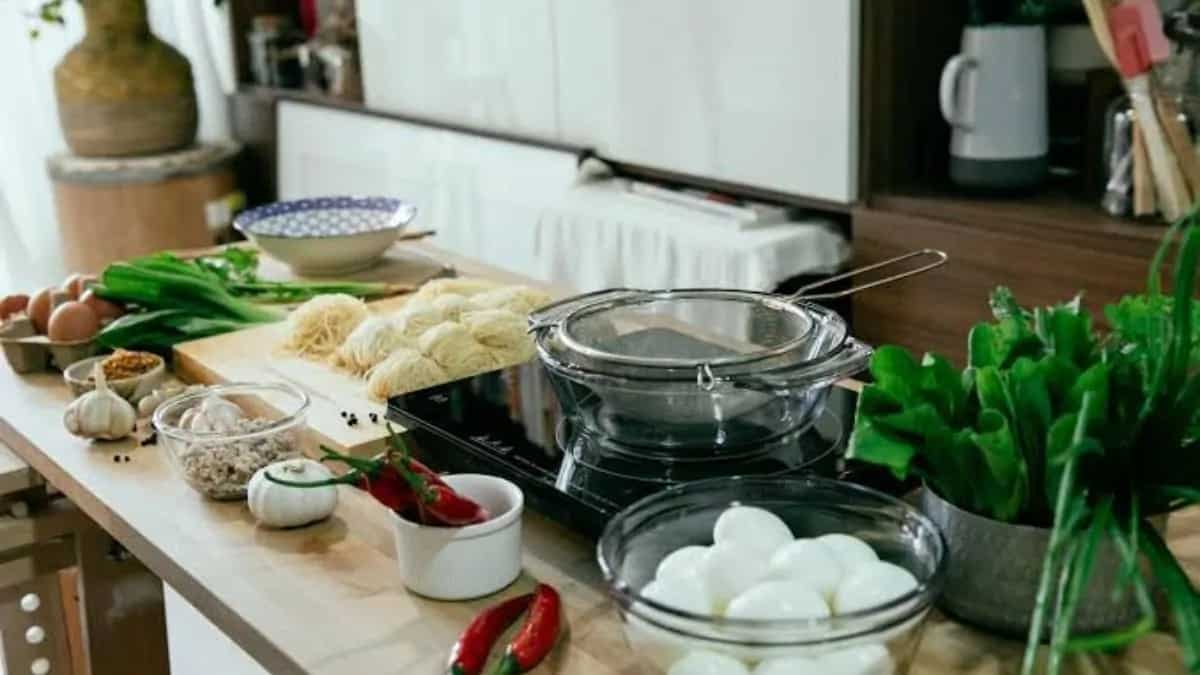
The modern Indian kitchen has undergone a massive technological shift over the last decade. We have moved from the familiar blue flame of the gas stove to the sleek, digital interfaces of electric cooking. While many are familiar with induction, the infrared cooktop is quickly becoming the preferred choice for those who value versatility and high-performance heat. An Usha infrared cooktop is a prime example of this evolution, offering a flat glass surface that hides a powerful halogen heating element capable of reaching intense temperatures in seconds. Unlike induction, which requires specific magnetic cookware, infrared technology works with any heat-resistant vessel, from your grandmother's heavy cast iron kadai to the latest ceramic-coated pans. However, the true power of these machines lies in the preset functions. Most users tend to stick to a single button, but understanding the logic behind the Stir-fry, BBQ, and Soup settings can drastically improve the quality of your cooking. These functions are not just about heat levels; they are programmed to mimic specific culinary behaviours, ensuring that your food is cooked with the precision of a professional chef.
The Power Of The Stir-Fry Function
In the context of Indian cooking, the Stir-fry or Sauté function is perhaps the most frequently used. This setting is designed for high-intensity, rapid heating. It mimics the behavior of a high gas flame used for tempering or tadka. When you select this mode, the infrared lamps operate at their maximum wattage to get the oil to its shimmering point almost instantly. This function is essential for caramelising onions for a large batch of gravy or flash-frying spices to release their essential oils. Because the heat is consistent across the entire surface of the pan, you avoid the hot spots that often lead to burnt garlic or unevenly browned vegetables. For the best results, ensure your ingredients are chopped and ready before you press this button, as the temperature rises so quickly that there is very little room for delay.
Image credit: Pexels
Mastering The BBQ And Grill Mode
The BBQ function is what truly sets infrared technology apart from other electric cooking methods. Because infrared cookers emit radiant heat, they behave very much like the glowing coals of a traditional grill. When you select the BBQ mode, the cooktop maintains a high, steady temperature that is perfect for browning meats and vegetables without stewing them in their own juices. This is the ideal setting for making kebabs, tikkas, or even charred corn on a flat griddle. The radiant energy penetrates the food more deeply than conductive heat, allowing the exterior to develop a crust while the interior remains succulent. If you are aiming for a tandoori-style finish on your paneer or chicken, this is the function to use. It provides that specific charred flavour and texture that is usually only possible with a live fire.
Image credit: Pexels
The Science Of The Soup And Porridge Setting
While the Stir-fry mode is all about aggression and speed, the Soup or Porridge setting is about patience and gentleness. This function is programmed to bring liquids to a boil and then immediately drop the power to a low, pulsing simmer. This prevents the liquid from boiling over and ensures that the ingredients have time to mingle and soften. For an Indian household, this is the perfect setting for slow-cooking dals, simmering a kheer, or even rendering ghee from malai. The cooktop manages the temperature cycles automatically, so you do not have to stand over the stove adjusting the dial. It provides the kind of low, steady heat that allows the starches in lentils to break down perfectly, resulting in a creamy, velvety texture that is hard to achieve with a high-pressure boil.
Image credit: Pexels
Speed And Precision: The Boiling Function
The Boiling or Water function is the most efficient setting for tasks that require sheer volume and speed. It is designed to pump maximum energy into the vessel until the water reaches a rolling boil, at which point many models will automatically adjust or alert the user. This is a lifesaver during the pre-match rush or when you are prepping for a large festive spread. Whether you need to parboil five kilograms of potatoes or get a large pot of water ready for pasta, this setting is significantly faster than a traditional gas stove. It is also the most energy-efficient way to use the machine, as it reaches the target temperature with minimal heat loss to the surrounding air.
Image credit: Freepik
The Keep Warm Secret
One of the most underutilised buttons on an infrared cooktop is the Keep Warm function. In a hospitality or party setting, timing is everything. It is rare that every guest sits down at the exact moment the food is ready. This setting maintains a very low, safe temperature that keeps the food hot enough for service without continuing to cook it. Unlike a gas flame, which even at its lowest setting might eventually burn the bottom of a thick gravy, the Keep Warm function on an infrared stove is electronically regulated to be incredibly gentle. You can leave a large pot of sambar or a tray of snacks on the cooktop for an hour, and they will remain at the perfect serving temperature. This allows the host to join the conversation rather than being tethered to the kitchen for reheating duties.
Image credit: Pexels
Manual Controls: Power Versus Temperature
Most infrared cooktops offer two ways to control the heat manually: Power and Temperature. Understanding the difference between these two is the key to advanced cooking. The Power mode usually operates on a scale from 100 to 2000 watts. This mode is best for tasks where you are focusing on the intensity of the heat source, such as deep frying or boiling. It tells the halogen lamp how hard to work. The Temperature mode, usually ranging from 80 to 270 degrees Celsius, is better for tasks that require a specific environmental heat, like making crepes, pancakes, or searing a delicate piece of fish. By choosing the Temperature mode, you are asking the cooktop to act as a thermostat, turning itself on and off to maintain that exact level of heat.
Image credit: Pexels
The Efficiency Of The Timer
Finally, the Timer function is the ultimate tool for the multitasking host. Most infrared cooktops allow you to set a shutdown timer for any of the functions. If you know your dal needs exactly forty minutes on the Soup setting, you can set the timer and walk away. This removes the mental load of remembering to turn off the stove and ensures that your food never overcooks. In a busy household where the television is loud and the guests are many, this small feature is a massive safeguard against kitchen disasters.