Grinding techniques have been a part of Indian kitchens for a long time to build flavour. Wet grinders and stone grinding methods are central while preparing batters, spice pastes, and chutneys. Wet grinder recipes are deeply connected to everyday cooking traditions across many regional cuisines, and one such important part of Indian meals is chutney. You can use Usha’s Wet Grinder to make chutneys that have the perfect consistency. Unlike fast blending, which can heat ingredients and alter texture, wet grinding crushes ingredients gradually while preserving oils, aroma, and consistency. This creates smoother and creamier chutneys that are more layered in flavour.
Across India, chutneys are made differently depending on region, climate, ingredients, and local eating habits. Some are fiery and peanut-heavy, others are coconut-based and mild, while many use a lot of herbs, lentils, sesame, or tamarind for balance. In several South Indian households, wet grinders are still an important part because they recreate textures associated with traditional home cooking. What makes these chutneys special is how closely they reflect different regional identities of India. Coastal areas lean heavily on coconut, drier regions have peanuts or sesame, while herb-based chutneys are more popular in regions where fresh greens are in abundance. Here are different chutneys made across India with wet grinders.
(Image Credit: Freepik)
Andhra Peanut Chutney
Andhra-style peanut chutney is known for its bold flavour and heat. This chutney is made by grinding roasted peanuts with red chillies, garlic, tamarind, and salt into a thick, creamy condiment that is often served with dosa or idlis. Wet grinding helps the peanuts release natural oils slowly, which creates a smoother texture compared to quickly blended versions. The chutney from wet grinders is rich, nutty, and savoury without becoming overly heavy.
Tamil Nadu Coconut Chutney
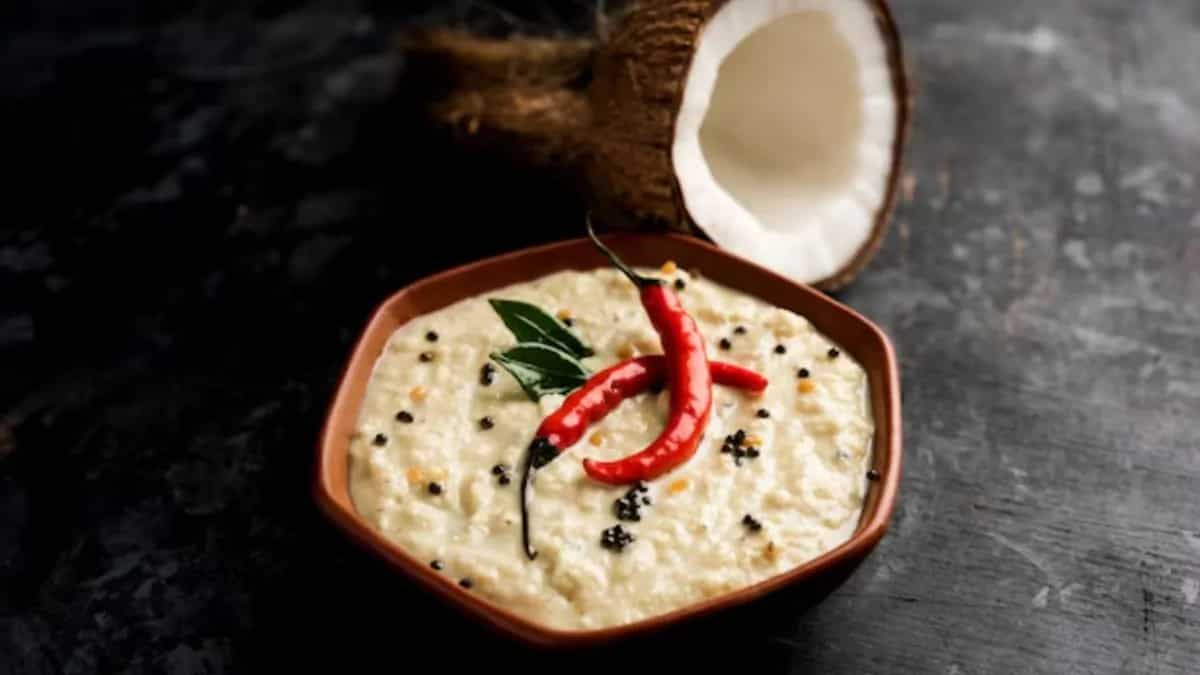
Coconut chutney is one of the most recognisable South Indian accompaniments, especially alongside idlis and dosas. Fresh coconut, roasted chana dal, green chillies, ginger, and curry leaves make a mild yet flavourful blend. In wet grinders, coconut develops a silkier and creamier texture. The chutney is usually finished with a tempering of mustard seeds, curry leaves, and dried red chillies.
(Image Credit: Freepik)
Karnataka Hurali Chutney
This chutney is made using horse gram and has an earthy, roasted flavour that goes especially well with rice and dosa. To make hurali chutney, lentils are roasted before being ground with garlic, tamarind, and spices. With the help of wet grinding, the coarse texture of horse gram is softened, yet the body is retained to some extent, which gives the chutney a rustic texture that is commonly associated with traditional Karnataka meals.
Kerala Coconut And Shallot Chutney
Kerala-style chutneys often rely heavily on coconut, but shallots and curry leaves also become an important part of it, adding sweetness and depth to the chutneys. In this chutney, coconut is blended with small onions, green chillies, and tamarind into a thick accompaniment for puttu, dosa, or appam. With the help of the wet grinder, the chutney becomes softer and creamier and balances the sweetness of the shallots naturally.
(Image Credit: Freepik)
Maharashtra Green Chilli Thecha
Thecha sits somewhere between chutney and coarse condiment, but it is one of the most iconic accompaniments of Maharashtra. It is made using green chillies, garlic, peanuts, and salt, and has a spicy and smoky flavour. When you use a wet grinder, it softens the sharpness slightly, and at the same time, it also helps the peanuts bind the mixture together. Thecha pairs very well with bhakri and simple dal-rice meals.
Telangana Sesame Chutney
Sesame chutneys are common in Telangana cuisine, where roasted sesame seeds are combined with garlic, tamarind, and red chillies, and turned into deeply flavourful pastes. Wet grinding helps release the oils within sesame seeds gradually, and gives the chutney a richer consistency and nuttier flavour. The chutney works beautifully with rice, dosa, and millet-based dishes.
From coconut-heavy coastal chutneys to peanut and sesame-based inland varieties, Indian chutneys made with wet grinders represent far more than just traditional cooking techniques. They reflect older kitchen rhythms where flavour developed slowly and texture mattered. Across regional Indian cuisines, these chutneys preserve local ingredients, family recipes, and culinary habits that modern shortcuts often struggle to recreate.