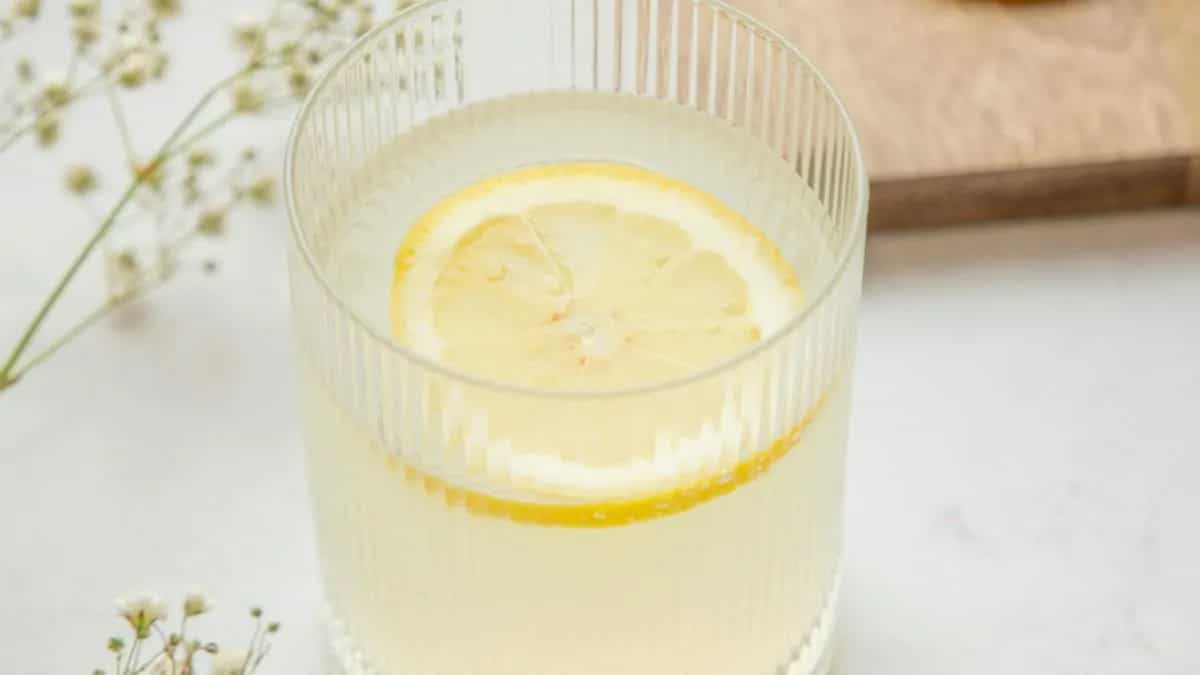
Of the different cultural practices that make Maharashtrian food and drink practice wholesome and nourishing, one which is particularly interesting is the tradition of drinking sherbets in summer weather. Head over to any home on an afternoon when temperatures have spiked and one would inevitably be presented with the question, “Would you like tea or shall I make a cool sherbet?” And the choice would unflinchingly be the latter.
That’s because a lot of different types of sherbets are prepared in Maharashtrian kitchens, infused with the essence of acidic, tangy fruits and herbs that restore lost electrolytes in summer. A slight sugary sweetness laces most of these, accompanied by a pronounced tang and sourness which makes the sherbets refreshing quenchers in the rising heat.
Kokum Sherbet
Kokum trees grow widely in the Konkan province of western Maharashtra. The tangy fruits from this plant are plucked, deseeded and dried. Some become the souring agent amsul, others are turned into a thoroughly acidic syrup used to make solkadhi or the kokum sherbet.
Avla Sherbet
Avla or amla, essentially the local gooseberry, is another fruit whose sour juice is harnessed to prepare a sherbet concentrate. On summer evenings, avla syrup is added to plain water or is put in a glass and topped off with club soda.
The resulting avla sherbet or avla soda is sharply acidic and tangy, undercut by a subtle sweetness which comes from the sugar added to the concentrate. Chilled avla sherbet is refreshing especially on a warm summer evening and garnished with just a sprinkle of pink salt, acquires a little bit of a welcome zing.
Khus Sherbet
Deeply green, vibrant flavoured and subtly aromatic, khus sherbet is rapidly becoming popular across Maharashtrian kitchens as a drink served to guests in lieu of tea in late afternoons. Khus is known for its cooling properties, which makes it a welcome option in warm climes. The concentrate for the sherbet is extracted from the vetiver or khus grass roots, a green plant which has a slightly vegetal taste.
Adding a little bit of sugar or jaggery to an unsweetened khus concentrate manages to balance out some of its more pronounced earthy, rooted flavours. To make the sherbet, simply pour cold water over the khus concentrate and stir continuously until the added sugar dissolves completely.
Aam Panha
If there was one drink which epitomises the arrival of summers in Maharashtrian regions, it is the aam panha. The syrup for the panha or raw mango sherbet is made by steaming the green, unripe fruit.
Its softened flesh is then extracted and mixed with jaggery and saffron. The rich, golden-hued concentrate is stirred into chilled water to prepare the sweet, tangy, acidic and cooling aam panha. The sherbet can be had mid-morning or late evening as a mouthwatering, refreshing drink that is quite soothing in the rising heat.
Ginger Lemon Sherbet
Sharp, zesty and revitalising, a simple limbu sherbet or lemonade flavoured with grated ginger is one of the most straightforward fruity Maharashtrian staple numbers in summer. A glass of lemon sherbet complete with sugar, a pinch of salt and some cumin powder for the garnish is the perfect blend to have on a particularly warm day, as the harsh sun comes bearing down.
Adding ginger to the sherbet introduces a bright, spiced flavour into the blend. Always use fresh lemons to make the sherbet. Store bought or pre-extracted lemon juice can taste flat and smell a bit pungent.
Serving Suggestion: All the above mentioned sherbets can be infused with sabja seeds to amplify their cooling effect.