Indian food culture frequently celebrates celebrity chefs and high-end concept dining, yet the daily backbone of urban eating rests upon a far more dedicated network of independent proprietors. Across western and southern India, thousands of bustling neighborhood eateries, bakeries, and traditional lunch homes owe their existence to a remarkably disciplined group of migrants. The Chiliya community has spent decades shaping how millions of urban residents eat, drink, and gather every day. Their presence is deeply woven into the morning tea served at corner stalls and the comforting meals served inside fast-paced dining rooms, making them an essential pillar of everyday Indian dining culture.
The scale of their influence becomes clear when one observes how seamlessly these establishments blend into the fabric of everyday city life. Whether serving hot morning breakfast to early commuters or providing affordable, high-quality dinners to late-night workers, these establishments operate with extraordinary consistency. They do not depend on aggressive marketing campaigns or flashy modern branding; instead, their reputation spreads purely through word of mouth, speed of service, and absolute reliability. Understanding their trajectory offers a fascinating glimpse into how informal family networks can build sustainable commercial enterprises that withstand shifting economic conditions over generations.
Who Are The Chiliya Community
The Chiliya community is a Sunni Muslim sub-group originating predominantly from the northern districts of Gujarat, specifically around Palanpur, Banaskantha, and surrounding rural tracts. Historically living in agricultural landscapes marked by limited economic opportunities, members of the group developed a sharp instinct for trade and small business rather than formal salaried employment. Unlike communities attached strictly to large landholdings, Chiliya families looked outward, identifying food service and small-scale commerce as ideal pathways toward financial stability. Over decades of shared enterprise, their identity became almost completely linked to the restaurant and hospitality sector, turning modest tea stalls into extensive networks of family-run eating houses.
Origin And Historical Migration
The narrative of Chiliya migration stems from economic necessity and sharp geographical adaptation. Decades ago, difficult agricultural conditions in North Gujarat encouraged young men to leave their home villages in search of sustainable income. Many travelled south toward major commercial hubs, most notably Mumbai, Pune, and various industrial towns across Maharashtra and Karnataka. These early migrants arrived with minimal capital, often starting at the lowest levels of the hospitality trade. They worked as kitchen hands, tea boys, and assistants in existing eateries owned by fellow community members. Through years of intense physical labour and careful savings, these individuals built up enough capital to acquire small tea shops or modest dining spaces of their own, establishing a self-sustaining migration pipeline that brought relatives and fellow villagers into the business.
Culinary Heritage And Traditional Foods
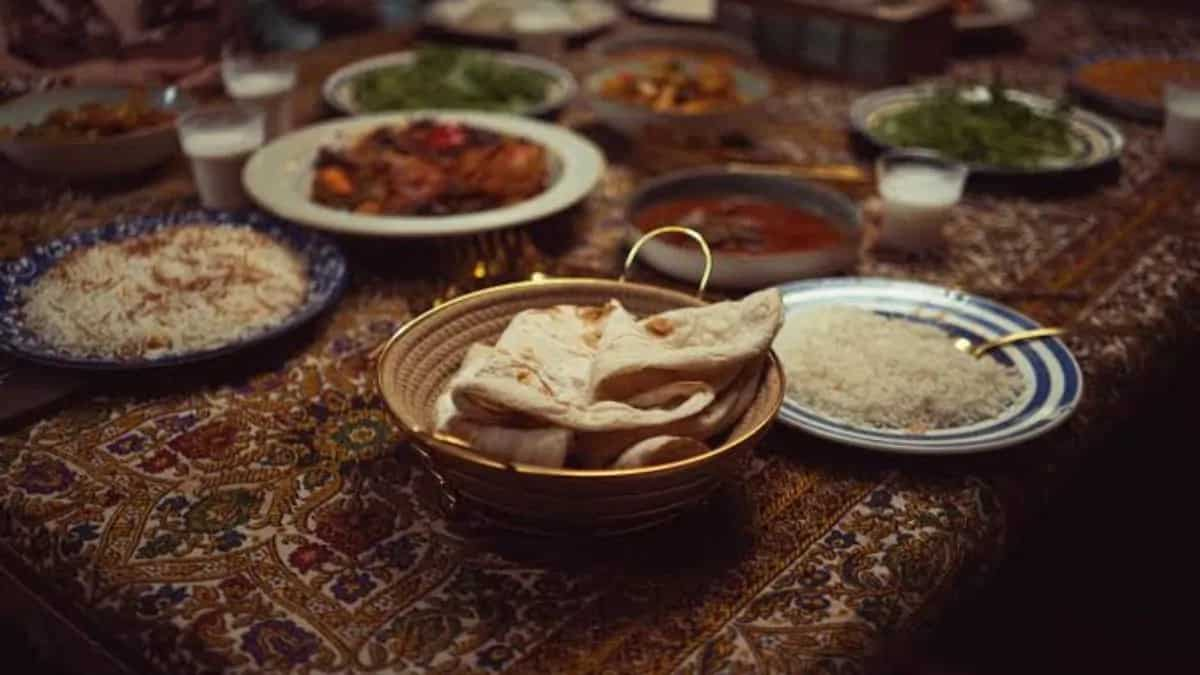
The traditional food culture within Chiliya households reflects a rich blending of North Gujarati regional cooking and hearty Islamic culinary traditions. At home, the community enjoys simple, nutritious meals centred around seasonal millets, lentils, freshly made flatbreads like bajra rotla, and slow-cooked meat preparations seasoned with whole spices. Signature dishes prepared during family gatherings and festivals feature aromatic mutton curries, rich biryanis, and slow-cooked meat stews that draw inspiration from regional North Gujarat flavours alongside classic Mughlai techniques. Beyond savoury feasts, traditional sweets such as wheat-based halwas and rich milk-based desserts play an important role during religious celebrations and community gatherings, reinforcing a deep connection to their regional culinary identity.
Cultural Practices And Social Fabric
Life within the Chiliya community is firmly anchored in mutual aid, strong family ties, and collective solidarity. Traditional social structures depend heavily on extended family networks and village connections, which directly influence how businesses are founded and managed. When a Chiliya entrepreneur opens a new restaurant, the management team and kitchen staff are frequently drawn from trusted relatives or fellow villagers from home. This practice ensures total financial integrity, operational loyalty, and the smooth transfer of trade knowledge from veteran owners to younger apprentices. Cultural practices emphasize humility, discretion, and hard work, discouraging public displays of personal wealth even among highly successful business owners. Religious observances and community associations reinforce these bonds, creating a supportive ecosystem where individuals receive guidance and collective assistance during difficult financial periods.
Image credit: Pexels
The Blueprint Of Chiliya Restaurant Practices
The operational style of a Chiliya-run restaurant represents a masterclass in efficiency, practical economics, and customer psychology. Unlike modern corporate dining chains driven by venture capital, Chiliya establishments grow organically through reinvested profits and rigorous cost management. A typical Chiliya restaurant prioritises speed, freshness, and strong value for money. Menus are carefully designed around high-demand comfort foods that appeal to local palates, ranging from simple breakfast items and daily thalis to popular Mughlai, Chinese, and regional preparations depending on the location. Kitchen operations follow a clear structure where experienced cooks train younger family members in inventory control, spice blending, and waste reduction. Customer service remains direct and welcoming, focusing on long-term relationships with regular patrons who return daily for predictable quality and familiar warmth.
The Modern Evolution And Legacy
As urban demographics shift, the community experiences both modern opportunities and exciting transformations. While many young professionals enter corporate careers, technology fields, or modern management, a significant number choose to return to their hospitality heritage with fresh ideas. Modern Chiliya-owned establishments now feature contemporary interior design, digital point-of-sale systems, and expanded multi-cuisine menus while retaining the core hospitality values inherited from their elders. This blend of traditional endurance and modern business strategy ensures that the Chiliya culinary legacy continues to flourish, standing as a testament to what family unity and determination can achieve in the world of food.