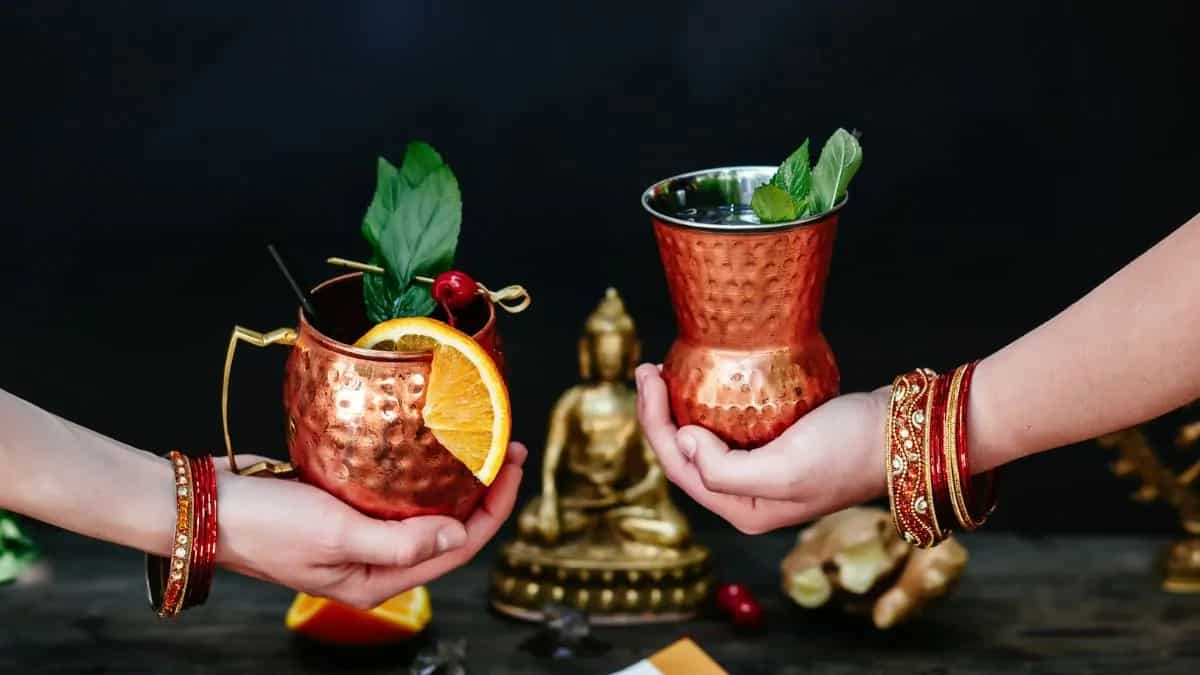
Every Indian wedding has one table nobody photographs. It sits at the edge of the sangeet lawn, staffed by a bored server, with a laminated card offering Virgin Mojito, Blue Lagoon and Fruit Punch. The drinks are neon, sticky and forgotten by the second round of dhol. But the rise of low ABV and alcohol free cocktails has hit and this wedding season, that table is getting a makeover, and it's long overdue.
A Season, Scaling Up
Wedding season is in full swing. Last year, the Confederation of All India Traders estimated 46 lakh weddings between 1 November and 14 December 2025, generating around ₹6.5 lakh crore in business, compared to 48 lakh in the same window in 2024. At that scale, even a small shift in what guests want to drink changes a lot of bar counters. The shift is happening. Whether it's corporate events, cocktail bars or weddings, everywhere you look, people are adding alcohol-free bars and zero-proof options as a standard part of the setup. After all, in a country where alcohol doesn't always coincide with religious or cultural events like a wedding, there should be a chance for these drinks to feel special too.
Who Isn't Drinking? (And Why It Matters)
An Indian wedding has always had a large non-drinking audience: grandparents, aunties, children, the cousin who's driving back to Pune. What's new is that the non-drinkers now include the guests who used to keep the bar busy. ThePrint has reported on young urban Indians cutting down on drinking, with Gen Z leading the sober-curious movement.
Restaurants are seeing it in the numbers. A Fortune India report notes that zero-proof cocktails make up 12 to 15% of beverage sales at The Bombay Canteen and O Pedro, up from under 5%. Bandra Born reports these drinks account for a fifth of weekend bar orders. There's also the matter of the calendar. A modern Indian wedding is three or four days of functions, many of them in daylight. Nobody wants a heavy drink at an 11 am haldi, but everyone wants something better than a lukewarm cola.
What's Replacing The Old School Mocktail Menu
The new zero-proof drink isn't a juice with a paper umbrella. Many locations have realised that alcohol-free drinks are moving beyond sugary mocktails and predictable fruit punches, borrowing the techniques and ingredients of classic cocktails. At weddings, that looks like four clear shifts.
Less sugar, more bite. Bitterness, sourness and salt are replacing syrup. Grapefruit, kokum, tamarind, amla and raw mango give a drink structure, so it tastes considered rather than sweet.
Desi flavours, served seriously. Jaljeera, kala khatta and nimbu soda were always the drinks guests secretly wanted. Planners are now building whole menus around them, with proper glassware and garnishes.
Salt on the rim. A chaat masala or kala namak rim is the fastest way to make a drink feel grown-up. It isn't just for show: researchers found that salt boosts perceived sweetness by dulling our ability to taste bitterness, so the drink tastes balanced without extra sugar.
The bar as theatre. Live counters already rule the wedding food court. The drinks station is catching up, with rimming stations, smoked garnishes and drinks built in front of the guest.
A Drink For Every Occasion
Haldi: The Turmeric Tonic. Shake 20 ml fresh orange juice, a thin coin of fresh turmeric, 10 ml honey and a squeeze of lime with ice. Strain into a tall glass over fresh ice and top with soda water. It's bright yellow, it's on theme, and it's light enough for the morning.
Mehendi: Kokum Cooler. Add 20 ml kokum syrup, a pinch of roasted jeera and a few mint leaves to a glass of crushed ice, then top with chilled soda water. It's cooling and sour, and mehendi hands can sip it through a straw without help.
Sangeet: The Salt-and-Chilli Grapefruit Fizz. This is the welcome drink for the night that matters most. Rim a tall glass with flaky salt, kala namak and Kashmiri chilli powder. Add a gently pressed slit green chilli, 15 ml lime juice and 10 ml kokum syrup, fill with ice, and top with Don Julio Non-Alcoholic Carbonated Grapefruit Soda. It's bitter, sour, salty and spicy all at once. It looks dramatic on a tray, and it stands up to rich sangeet food, from paneer tikka to galouti kebabs.
Reception: Rose and Cardamom Spritz. Lightly crush two green cardamom pods into 10 ml rose syrup and a squeeze of lemon. Add ice and top with soda water. Garnish with a dried rose petal. It's elegant and photogenic, with a familiar flavour that won't scare the elders.
Planning notes for the zero-proof bar
- Budget for more than you think. Plan on at least two to three zero-proof drinks per non-drinking guest at an evening function, and more at daytime events, where nearly everyone is drinking them.
- Batch the base, build the glass. Pre-mix syrups and juices in jugs, but add soda only when serving. Fizz is the first thing to die on a wedding lawn.
- Keep everything cold. Ice and chilled mixers matter more outdoors in November than anywhere else. Warm soda goes flat fast.
- Name the drinks. A menu card with three or four named drinks beats a list of "mocktails". Use the couple's names, the function or a family joke.
- Put it front and centre. Don't hide the zero-proof bar behind the main bar. If it's well stocked and well lit, the drinkers will order from it too.