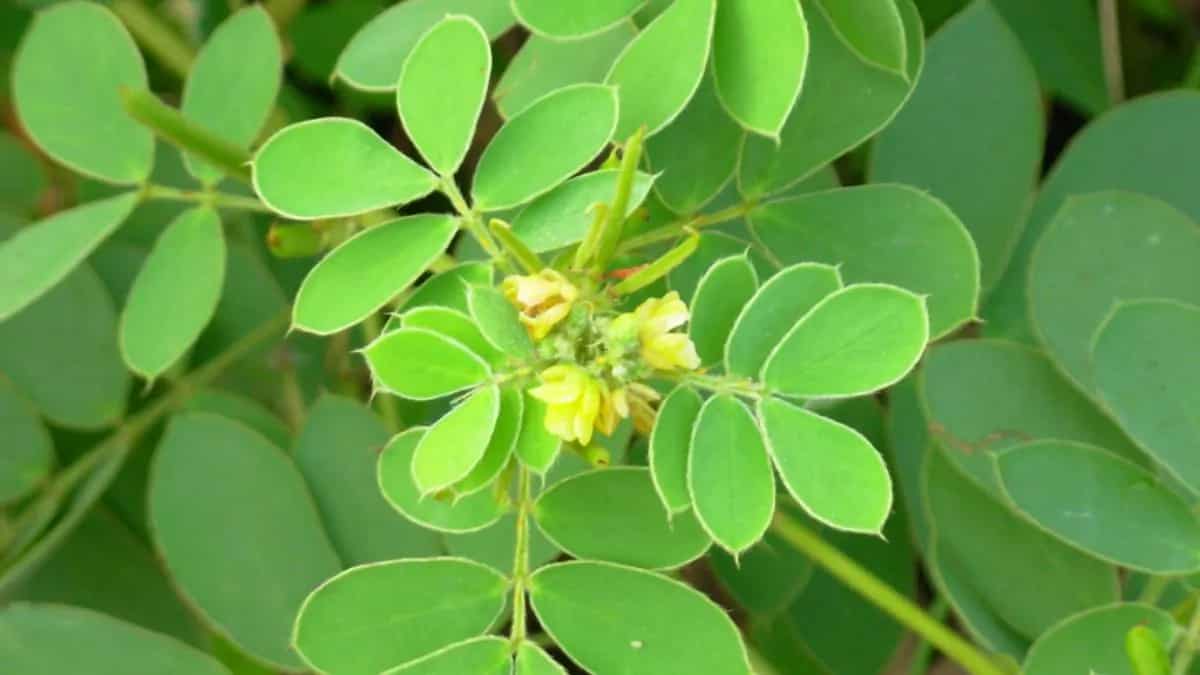
Takla, also known as Tarota, Tarvata or Taikila, is one such seasonal wild green. Its availability is for a short term, generally extending from around July to late August, which makes its arrival in local markets a loved seasonal affair rather than an everyday grocery buy.
Takla is part of Maharashtra's raan bhaji practice - the collection of edible wild greens that have long been collected and cooked by rural communities. At present, takla bunches can sometimes be found in urban markets as well, especially when vendors bring seasonal produce from places around Palghar, Vasai and other parts of the countryside of the state.
What Makes Takla Different From Others?
The vegetable is loved for its young leaves and soft shoots, instead of mature, tougher vegetation. It has a distinctly earthy, slightly bitter taste, which is why in traditional recipes, coconut, jaggery, garlic, chilli, dal or other sour ingredients are used to balance it. The bitterness is not necessarily something to be hidden; it is part of what gives the vegetable its personality.
There is also some useful knowledge involved in making it. Since wild greens can have soil and debris, the leaves should be washed thoroughly. Soft leaves are preferred, whereas older or wilted leaves are best avoided.
How Takla Is Used In Maharashtrian Kitchens
Takla is generally used as a leafy vegetable rather than just a standalone ingredient. It can be cooked to make a dry bhaji, mixed with moong or chana dal, turned into kadhi, or ground with coconut and spices to make a chutney. Some preparations also use jaggery to soften its bitterness a bit, whereas garlic and green chilli give it a sharper, tangier edge.
Here are five preparations of takla bhaji that show how adaptable this short-season green can be.
Takla Bhaji With Coconut
For the simplest preparation, just wash the soft takla bhaji leaves thoroughly and chop them finely. In a pan, heat oil with some mustard seeds, cumin, garlic and green chilli, then add the leaves and turmeric to it and cook until they turn soft. In the end, finish with salt, grated coconut and a little jaggery to perfectly balance the bitterness. When prepared, takla bhaji feels earthy, a bit bitter, garlicky and a bit sweet in every bite. It pairs particularly well with bhakri, chapati or dal-rice, making it an easy add-on to everyday meals.
Takla With Moong Dal
Mixing takla with dal turns the leafy greens into a more usable everyday preparation. Clean and chop the leaves thoroughly, then cook them with some soaked moong dal, onion, garlic, green chilli and turmeric, like the regular dal. A simple tempering made of cumin or mustard can perfectly complete the dish. The dal turns soft, and the sharp flavour of takla bhaji comes through, making a perfect balance of taste.
Serve it with steamed rice or bhakri for the best taste. This version also shows how traditional cooking uses wild greens with pulses to make a simple seasonal ingredient as part of a complete meal.
Takla Kadhi
Takla can also go beyond the usual dry bhaji and turn out to become part of a kadhi-style preparation. Make the kadhi the usual way and add cooked takla bhaji to it with a tempering of mustard, cumin, garlic and green chilli.
The tang of the buttermilk perfectly complements the bitterness of greens, whereas besan gives the kadhi a smooth, slightly thickened texture. Served hot with rice, it makes a satisfying monsoon meal and offers a totally different way of experiencing the same seasonal vegetable.
Takla Chutney
For a sharper, more robust preparation, takla can even be turned into a chutney. The leaves and soft shoots are first stir-fried until they are cooked, then cooled and ground with some roasted cumin, fresh coconut and green chillies. Lemon juice or a little yoghurt can also be added for acidity. The chutney has an earthy, a bit bitter taste that can be brightened by chilli and coconut.
Serve it with bhakri, dosa, rice or simple snacks, and it pairs well. This preparation is especially useful when you want the taste of takla without making it a whole vegetable dish.
Takla With Chana Dal
Another traditional-style combination pairs takla with chana dal, preparing it with contrasting textures. The dal is soaked and made alongside finely chopped, cooked takla and then seasoned with a tempering made of spices, garlic and chilli.
The nutty dal adds substance, whereas the leafy vegetable also adds its distinctive earthy bitterness. The mixture can be served as a dry add-on with roti or bhakri.