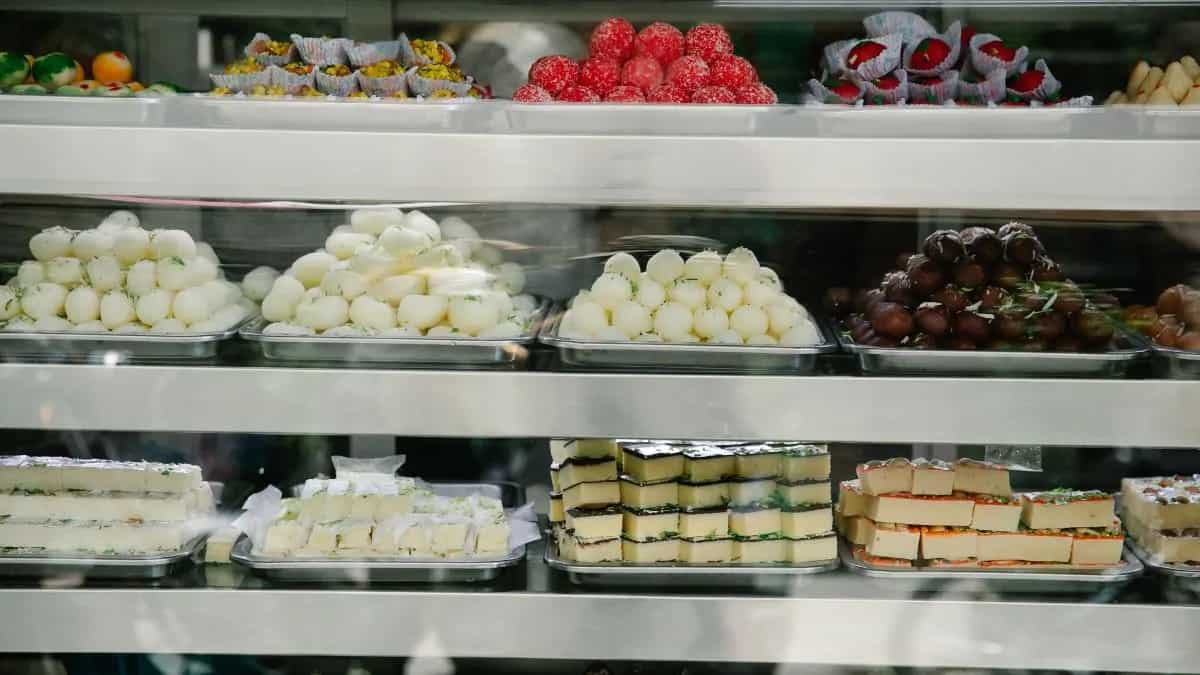
There's no such thing as a free lunch, as the famous saying goes, and it turns out there's rarely such a thing as a truly free mithai either. Enter any halwai's shop this season, and you'll spot it on a shelf of its own: the sugar-free section, stacked with kaju katli, anjeer barfi, dry fruit rolls and sometimes even gulab jamun. For families with a diabetic parent or grandparent, those words on the packet feel like granted permission to finally pass the plate around without anyone keeping count.
The catch is that "sugar-free" on a box of sweets, or "no added sugar" on a pack of biscuits, doesn't always mean what most of us assume. With World Diabetes Day falling on 14 November, right after the Diwali rush and in the thick of wedding season, it's the perfect time to understand what these labels promise and what has been conveniently left out.
Sugar-Free, Low Sugar, No Added Sugar: Not Quite The Same Thing
Source: Pexels
These words on a packaged food label aren't just smart marketing. India's food regulator, the Food Safety and Standards Authority of India (FSSAI), has fixed definitions for each of them, and knowing the difference can change what goes into your cart. Here's what each one really means, as per FSSAI's rules on nutrition claims.
Sugar-Free
The biggest surprise first: sugar-free doesn't mean zero sugar. A product can carry this label if it has no more than 0.5 g of sugar in every 100 g or 100 ml, and brands are allowed to use words like "zero sugar" or "no sugar" for the same thing. It can still contain sweeteners, carbohydrates and a lot of fat.
Low Sugar
This one allows a little more room. A solid food can have up to 5 g of sugar in every 100 g, and a drink up to 2.5 g per 100 ml, and still call itself low sugar.
No Added Sugar
This only tells you that no sugar was added while the product was being made. Any natural sugar from fruit, milk or dates stays in, which is why a fruit juice with no added sugar can still be fairly sweet.
Naturally Sweetened Or Refined Sugar-Free
These phrases aren't among FSSAI's defined sugar claims, and they usually point to jaggery, honey, dates or coconut sugar. In recent months, FSSAI has sent notices to several brands over "no added sugar" claims on products sweetened with date syrup, jaggery or honey, or made with maltodextrin and glucose syrup solids. Gur may sound wholesome, and it has a proud place in the Indian kitchen, but your body still reads it as sugar.
What's Really Inside That Sugar-Free Kaju Katli?
Sugar does a lot more in a mithai than just make it sweet. It gives barfi its firm bite, helps a gulab jamun drink up its syrup and keeps sweets from spoiling too soon. Take it out and something else has to step in, which is usually a sweetener like sucralose or stevia, sometimes along with sugar alcohols such as sorbitol or maltitol.
Everything else in the recipe, though, stays the same. A sugar-free kaju katli is still mostly cashews and ghee, and a sugar-free gulab jamun is undoubtedly still khoya and flour fried in fat. The calories and carbohydrates from these ingredients don't disappear with the sugar, and a sweet can have less in sugar while still being rich and heavy.
Loose sweets from the halwai counter add one more layer of guesswork, since they don't come with a nutrition table. "Sugar-free" there is mostly the shop's own description, and it's worth asking what has been used to sweeten it and what the base is made of before picking up a whole box for Dadi or Nanaji.
Flip The Box: How To Read The Back Of The Pack
Source: Pexels
The front of a pack is made to sell, while the back is where the real thing unfolds. Before that sugar-free box or biscuit packet goes into the cart, a few things are worth a second look.
Check The Nutrition Table
Look at the total carbohydrates and sugars per 100 g, along with the energy value. A sweet can have less sugar and still be high in both carbs and calories.
Spot Sugar's Many Aliases
Sugar has a habit of hiding behind other names in the ingredient list. Keep an eye out for jaggery, honey, date powder or syrup, glucose syrup, invert syrup, maltodextrin and fruit juice concentrate.
Find The Sweetener Declaration
Packaged foods that use permitted sweeteners have to name them on the label. Depending on the sweetener, some packs also carry warnings that the product isn't recommended for children or for pregnant and breastfeeding women.
Look For The Sugar Alcohol Note
Products made with sorbitol have to mention that it may have a laxative effect and can cause bloating. That's handy to know before polishing off half a box in one go.
Mind The Serving Size
Label claims are based on 100 g, but very few people stop at the portion printed on the pack, especially in front of a wedding dessert counter.
Before You Pass The Plate
None of this means the sugar-free box doesn't deserve a spot at the celebration. For many families, it's a thoughtful way to make sure the elders at the table aren't left out when the sweets come around. It just helps to treat the label as the beginning of the story rather than the whole of it.
A quick look at the nutrition table, a scan of the ingredient list and an honest eye on portion size go a long way. This World Diabetes Day, the sweetest habit might simply be reading the back of the box before you open the front.