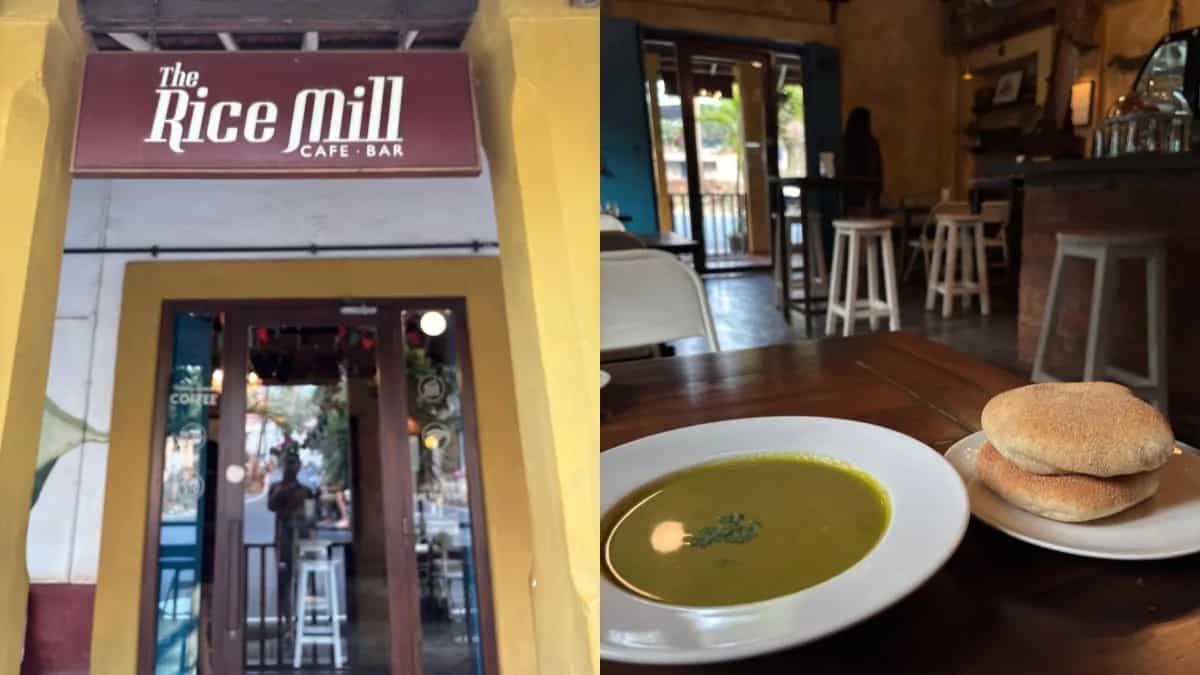
The Rice Mill in Morjim is not merely a destination for food or music; it is a living monument to the layered history of Goa. Stepping inside, one is immediately struck by the imposing presence of the thick, tall laterite stone walls and the high-pitched Mangalore tile roof, which together create an atmosphere of cool, earthy permanence. Built in 1955 by Mr Shetgaonkar, this structure was once the industrial heartbeat of the village, where the morning air was punctuated by the sharp blast of a siren that called the community to work. Today, the space has been reimagined by the visionary architect Raya Shankhwalker, who has meticulously preserved the architectural integrity of the mill while infusing it with a sophisticated, bohemian energy. It serves as a bridge between the hardworking past of rural Morjim and a contemporary cultural revival, offering a sanctuary for those who appreciate the slower pace of life. It is a rare example of adaptive reuse where the soul of the original purpose remains palpable even as it serves a new generation of dreamers and travellers who come to sit within its cool, stone embrace.
Image credit: Author
To understand the Rice Mill, one must look back to the mid-fifties, an era when the building was the focal point of local commerce and social gathering. Mr Shetgaonkar designed the space with a functional majesty, using the iconic red laterite stone of the region to ensure the interior remained cool despite the tropical heat. Every morning at the break of dawn, a loud siren went off to indicate the villagers that the mill was ready to begin work. This sound was a signal for the local women who would soon queue up along the sturdy walls to dehusk their rice paddy. The enterprise was more than just a business; it was a source of livelihood for many, as villagers from Morjim as well as neighbouring villages and towns found work in the venture. As the business flourished, the rice mill was beginning to generate more income than assumed, leading to a period of prosperity for the Shetgaonkar family. This success allowed Mr Shetgaonkar to purchase a Mercedes car for his family and a minivan that served a double purpose, ferrying locals from Morjim to other villages, effectively becoming an early form of public transport for the area.
Image credit: Author
Also read: Japan’s Lamp Bar Comes To India: Mixologist Michito Kaneko’s Musings On Cocktails And Cross-Cultural
However, the history of the mill is also intertwined with the dramatic narrative of the Goa liberation movement. During this period of political tension, the presence of Portuguese soldiers created a landscape of uncertainty. As the story goes, Mr Shetgaonkar came to realise that Portuguese soldiers in the area were in desperate need of a mode of transport and might seize his vehicles. In a moment of quick thinking and quiet defiance, Mrs Shetgaonkar came to realise that Portuguese soldiers in the area were in desperate need of a mode of transport and took action to protect their property. She hid the vehicles under a massive stack of hay, ensuring they remained out of sight until the dust settled. Following the liberation in 1961, the social and economic landscape of Goa underwent significant shifts. The traditional business of the rice mill eventually diminished, and the owners were forced to close the doors of the mill, leaving the grand laterite structure to sit in silence for several decades.
Image credit: Author
It remained in this dormant state until December 2016, when Raya Shankhwalker saw the potential to breathe new life into the historic site. As an architect with a passion for conservation, Raya did not want to simply renovate the building; he wanted to honour its history while filling a cultural void. Raya explains that he started the cafe bar as a part of a conservation effort to revive the jazz culture in Goa. For him, the project was as much about the music as it was about the architecture. He mentioned that Goa used to be the cradle of jazz culture in India because of the Portuguese and especially in the fifties and sixties. This unique heritage stems from the fact that many Goan musicians were trained in Western musical traditions, which allowed them to excel in the jazz genre. The architect notes that all the jazz musicians who would go to Bombay were all originally from India, often hailing from these Goan roots. Raya believes that Goa has been the cradle of the jazz culture in India and he wanted to revive that legacy within the walls of the old mill.
Image credit: Author
The experience of visiting the Rice Mill today is one of sensory delight and peaceful contemplation. During the day, the setting is incredibly calm, making it a perfect spot to enjoy some of the best coffee in the region. The menu is a thoughtful blend of local Goan staples and modern culinary twists. A standout dish is the poie, a traditional Goan bread, served with a rich kidney beans and coconut milk curry. The combination of the soft, airy bread with the creamy, spiced lentils offers a comforting taste of the land. The quaint corner of Morjim where the mill sits remains relatively undisturbed, allowing visitors to step in and have a coffee while the world outside moves at a frantic pace. The setting is truly peaceful, providing a space for reflection amidst the historical architecture.
Image credit: Author
This tranquility undergoes a dramatic shift as the weekend approaches. When the sun sets and the live jazz performances begin, the Rice Mill radically transforms the setting, making it a more lively, more happening place. The thick stone walls, which once echoed with the sound of dehusking machinery, now vibrate with the complex rhythms of bass and piano. It is during these hours that Raya’s vision of cultural revival truly comes to life. The transition from a quiet morning cafe to a high-energy jazz club is seamless, reflecting the dual nature of Goa itself.
The cocktail menu at the Rice Mill is a thoughtful extension of its bohemian and historical identity, focusing on fresh and often local ingredients to create a memorable drinking experience. As the day transitions into the jazz-filled evenings, the bar comes alive with a selection of signature cocktails that are designed to complement the smooth musical backdrop. While you might find classic refreshments, the real draw lies in the inventive use of seasonal fruit and organic components that reflect the vibrant spirit of Goa. Raya has ensured that the beverage menu maintains the same level of craftsmanship as the architecture, offering everything from potent spirit-forward blends to lighter, fruit-driven infusions.
Image credit: Author
Beyond the food and the music, the Rice Mill has become a hub for human connection. Raya also mentioned that the most important aspect of the place is also the friendships that he has built. The cafe bar acts as a magnet for a diverse array of individuals, bringing together people who might otherwise never cross paths. He has met so many people from so many different countries and communities at the Rice Mill, and that has really set the tone of the place and for the visitors as well.
Image credit: Author
It is this sense of community that gives the Rice Mill its heart. It is not just a place to consume; it is a place to converse, to learn about the history of the village, and to participate in the ongoing story of Goan jazz. Whether you are a local resident or a traveller passing through, the Rice Mill offers a warm welcome that stays with you long after you have left its laterite walls behind.